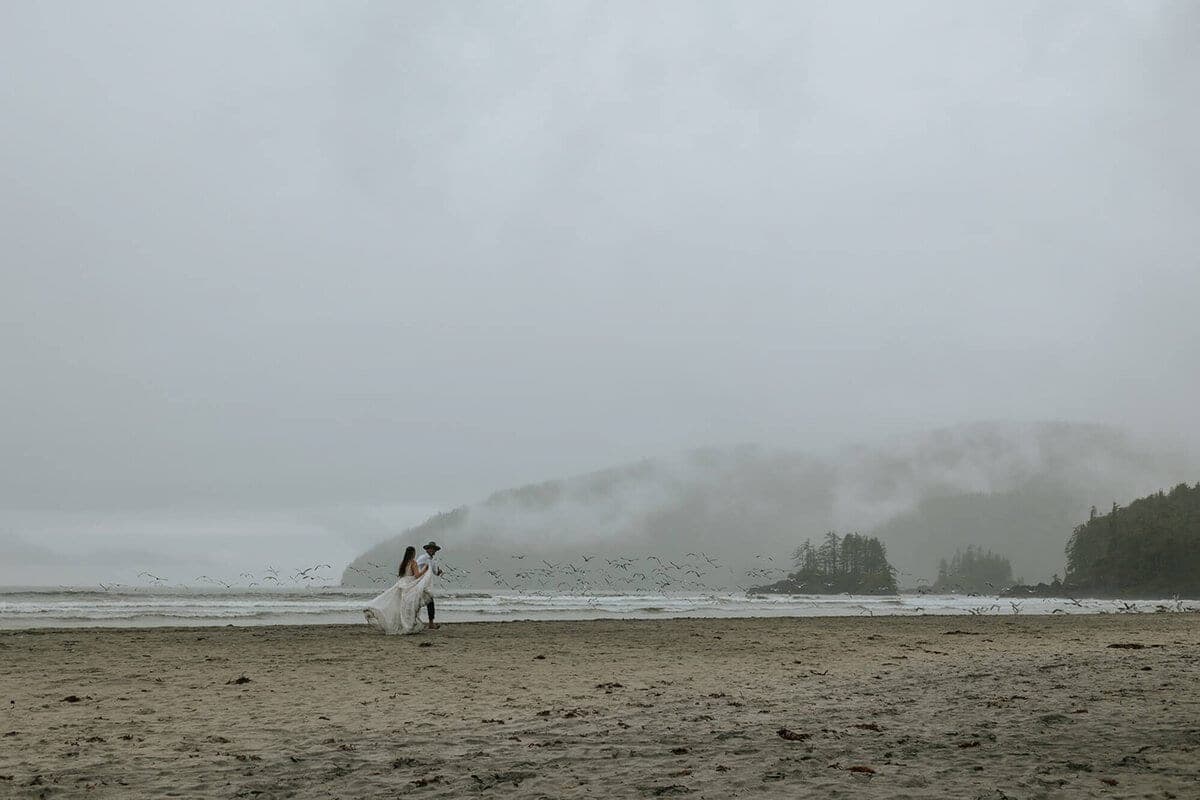
A Wedding Vendor Guide · Nanaimo, Parksville & Port Alberni
Central Vancouver Island. The island's working middle.
Farmland running up against mountains, a coastline turning from sheltered to open, and the most reachable part of the island for guests flying in.
Guide updated
Central Vancouver Island is the island's working middle — Nanaimo and Qualicum Beach, Parksville and Port Alberni — where farmland runs up against mountains and the coastline turns from sheltered to open. It is the most reachable part of the island for guests flying into Nanaimo, and it holds the widest range of venues anywhere on this coast: heritage farms, orchards and vineyards, lakeside estates, a historic mill site, forest clearings along the Nanaimo River.
That range is the reason to plan here. A couple can put a hundred and fifty people under a tent on a working farm, or twenty in an orchard at golden hour, without either feeling like a compromise. Vendors in this region are used to both, and the drive between them is measured in minutes rather than ferry sailings.
Practically, it is the easiest region on this coast to bring guests to. Nanaimo has an airport, the highway connects everything, and there is enough accommodation that you are not asking a hundred people to share four cottages. Most venues here book twelve to eighteen months ahead for peak summer Saturdays.
A guide like this only works if it is honest, so every business here is one we have either worked alongside or gone looking for on purpose. Couples who hire close to home tend to get people who know the tides, the ferry schedule, and the light — and the money stays in the communities that make celebrating here worth the trip.
Who will photograph and film your wedding?
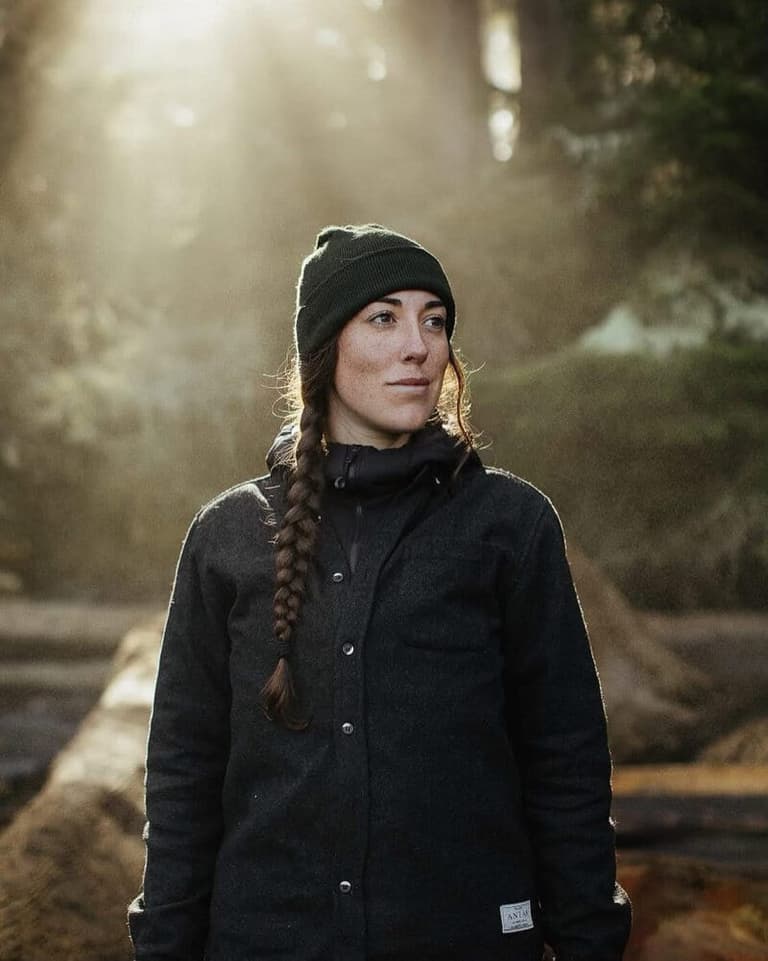
Kimberley Kufaas
Serving Vancouver Island
Based on the northern reaches of Vancouver Island, Kimberley Kufaas is a wedding, portrait, and landscape photographer inspired by the raw beauty of the West Coast. Her work moves between sweeping natural backdrops and intimate human stories, capturing celebrations that feel grounded in place and emotion. Whether documenting an elopement by the ocean, a ceremony tucked within ancient forests, or the quiet details that tell the story of a day, Kimberley’s imagery reflects both her deep love for nature and her eye for authentic connection.
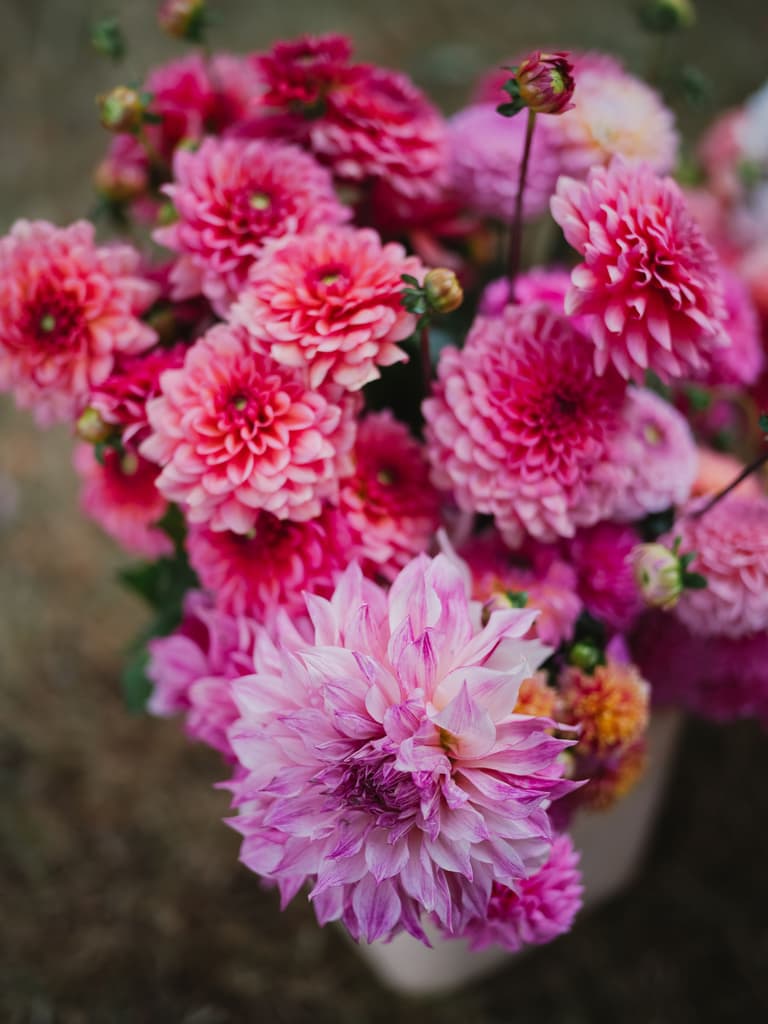
Folklore Wedding Company
Salt Spring Island
Folklore Wedding Company is a multi-artist wedding media collective drawn from across Vancouver Island and the Gulf Islands, offering photography and videography for celebrations across Tofino, Ucluelet, and Bamfield. Couples can mix and match from digital, 35mm film, and tintype photography alongside cinematic videography, creating a cohesive media package where photo and video are built to work together from the start rather than sourced separately. For couples who want their day documented with real creative intention and a team that knows how to move together through wild weather, changing light, and the particular rhythm of a coastal celebration, Folklore is a natural fit.
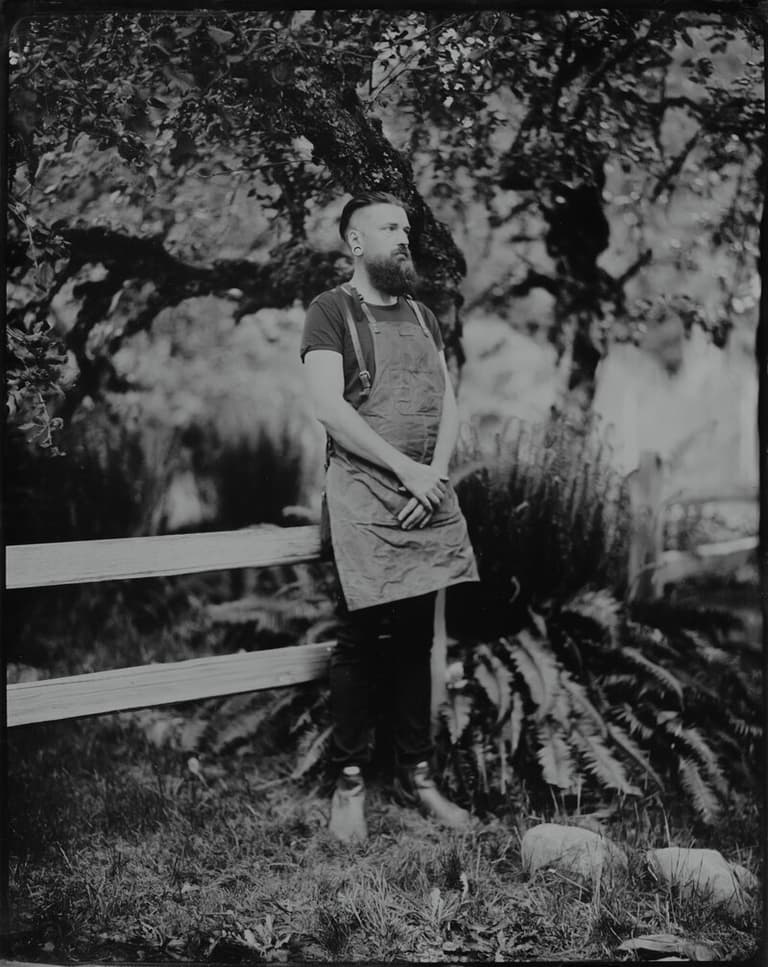
Sydney Woodward
Serving Vancouver Island
While tintype photography is Sydney's passion, his skills in digital photography and cinematic videography add versatility to every collection. Whether crafting handmade plates, capturing vibrant digital images, or weaving a wedding day into film, Sydney's work reflects a commitment to creating art that lasts.
Stephanie Artuso
Serving Vancouver Island
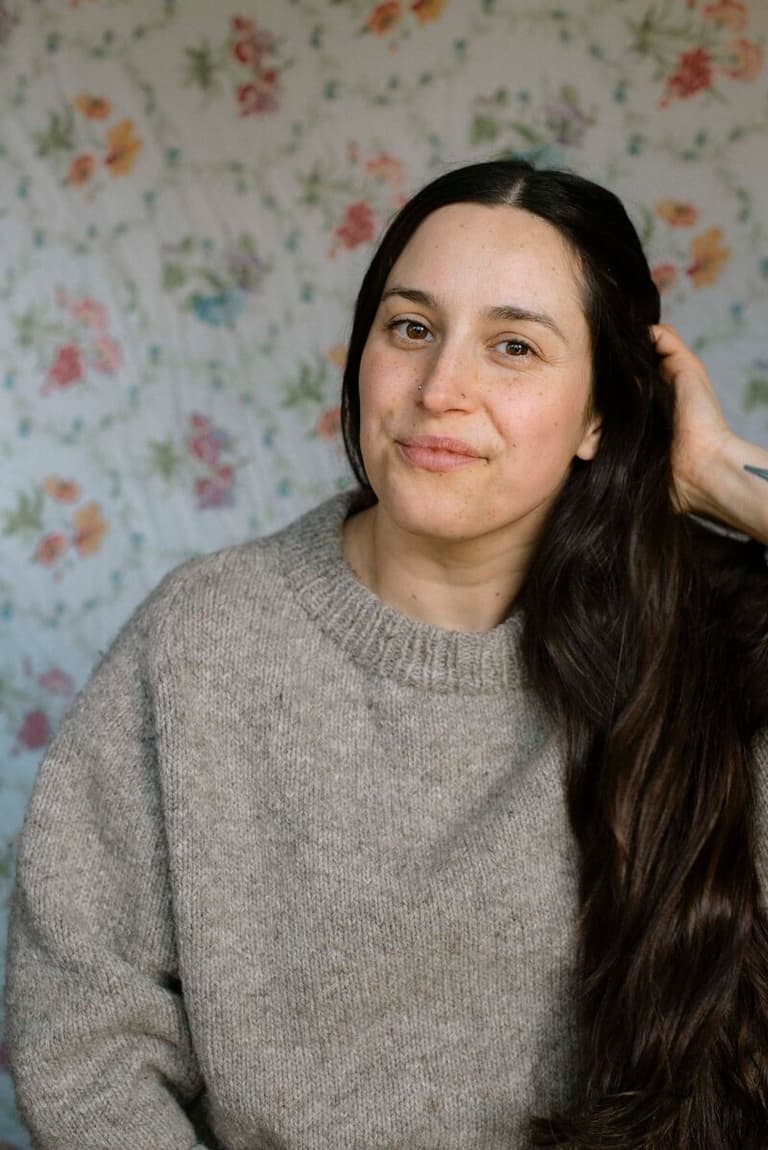
Stephanie Artuso is a skilled photographer based on Gabriola Island and a valued member of the Folklore Wedding Company team. She brings a deeply artistic approach to documenting weddings, focusing on real emotion, meaningful connection, and the subtle beauty of each moment. With an eye for detail and a calm, intuitive presence, Stephanie helps couples feel comfortable, seen, and confident in front of the camera. As part of the Folklore Wedding Company collective, she works seamlessly with other creatives to craft cohesive and compelling photo and video storytelling that captures the full spirit of your celebration.

Rewildusmedia
Rae-Anne of ReWild Us Media is a visual storyteller raised and based in Nanaimo, working in both videography and photography, with aerial shots, for weddings and elopements. The focus stays on the raw, unfiltered moments as they happen, and on delivering a keepsake that feels authentically like the couple rather than a set of poses. They travel everywhere for a wedding, wherever the day happens to land. A good fit for couples who want their day held honestly, in film and stills alike.
Which venue suits your celebration?
Solstice Farm
Port Alberni
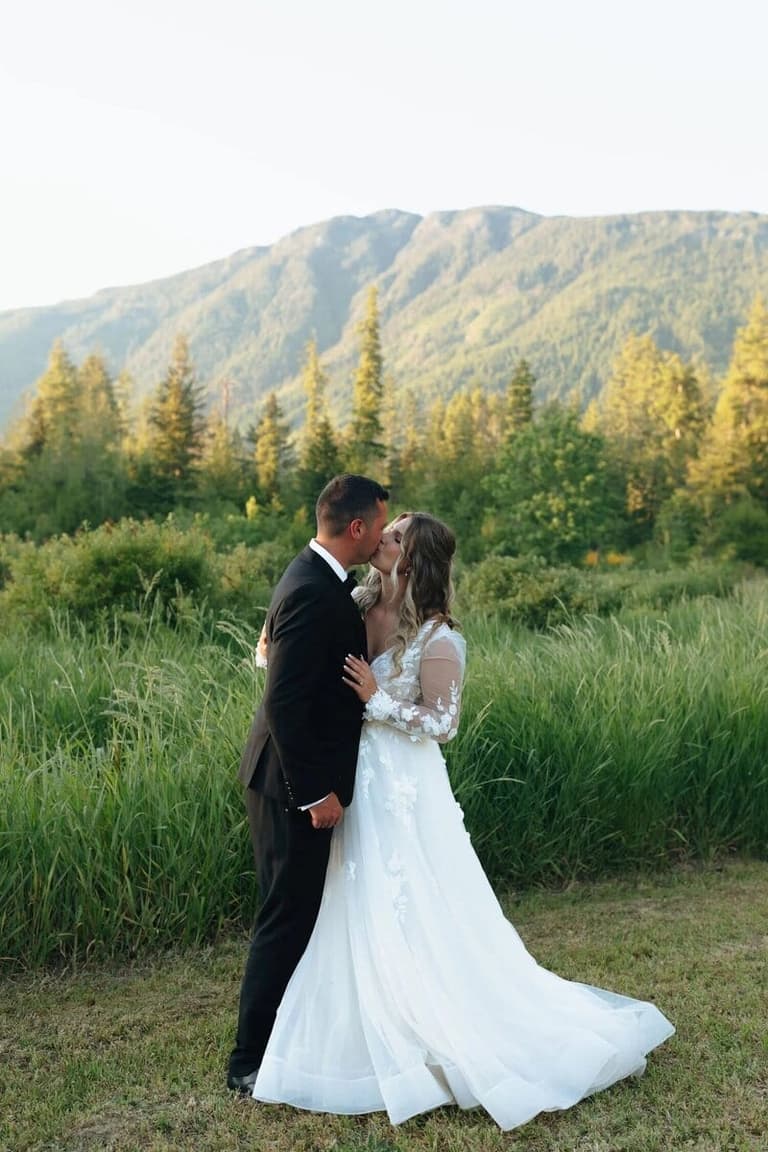
Solstice Farm is a family-run hobby farm and wedding venue in Port Alberni, nestled at the foot of the Beaufort Mountains, with a serene apple orchard that leads to a private ceremony field for celebrations that feel relaxed and nature-rooted. For weddings, they offer a farm-style setup with a 40×60 event tent, wooden tables and chairs, benches for ceremony seating, a dance floor, bar area, and solar-lit paths. designed to make the day flow smoothly from ceremony to dinner and dancing.
Brannen Lake Estates
Nanaimo
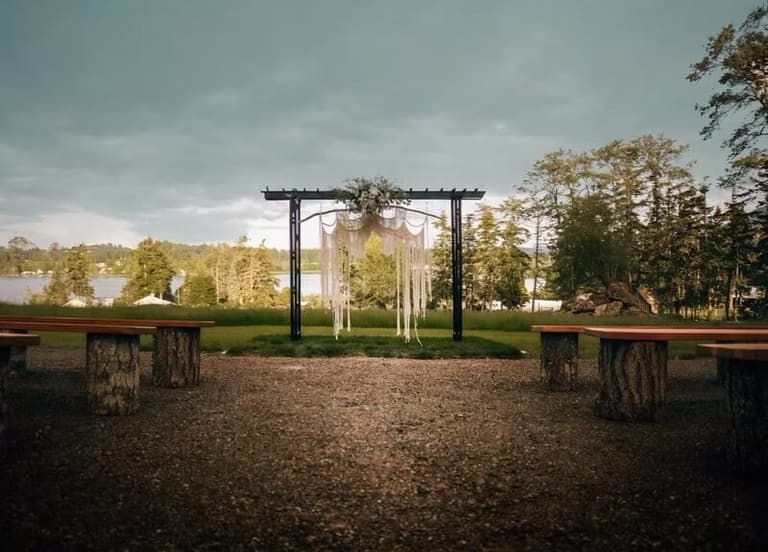
Brannen Lake Estates is a nature-set wedding venue just outside Nanaimo offering three distinct ceremony sites: the Lakeside Lovestory, an intimate micro-wedding spot beside the lake with a willow tree focal point and private dock; Fields of Forever, an open orchard grass setting with hand-built wooden benches and lake views for up to 120 guests; and Find Us in the Forest, a magical heritage tree canopy site for up to 40. For elopements and intimate winter weddings, the Runaway Barn draped in rain lights from floor to ceiling accommodates up to 12 guests year-round, making Brannen Lake one of the most versatile and quietly beautiful wedding properties on central Vancouver Island.
Flower Beds Farm
Qualicum Beach
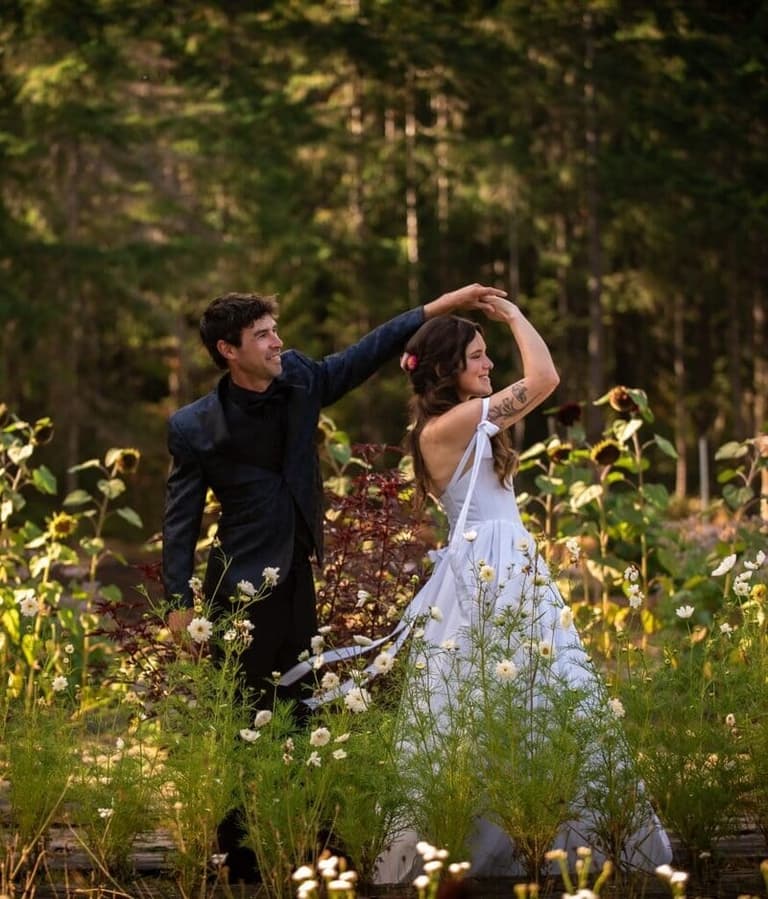
Flower Beds Farm is an 18-acre working flower farm and wedding venue on the periphery of Qualicum Beach, owned and operated by Jess and Taylor, where couples get full exclusive access to the property for a full weekend celebration. Ceremonies take place among rows of seasonal blooms, receptions unfold under a white marquee tent in the grassy field, and when night falls the party moves to the Tree Fort Stage in a cedar grove for dancing until midnight and silent disco beyond.
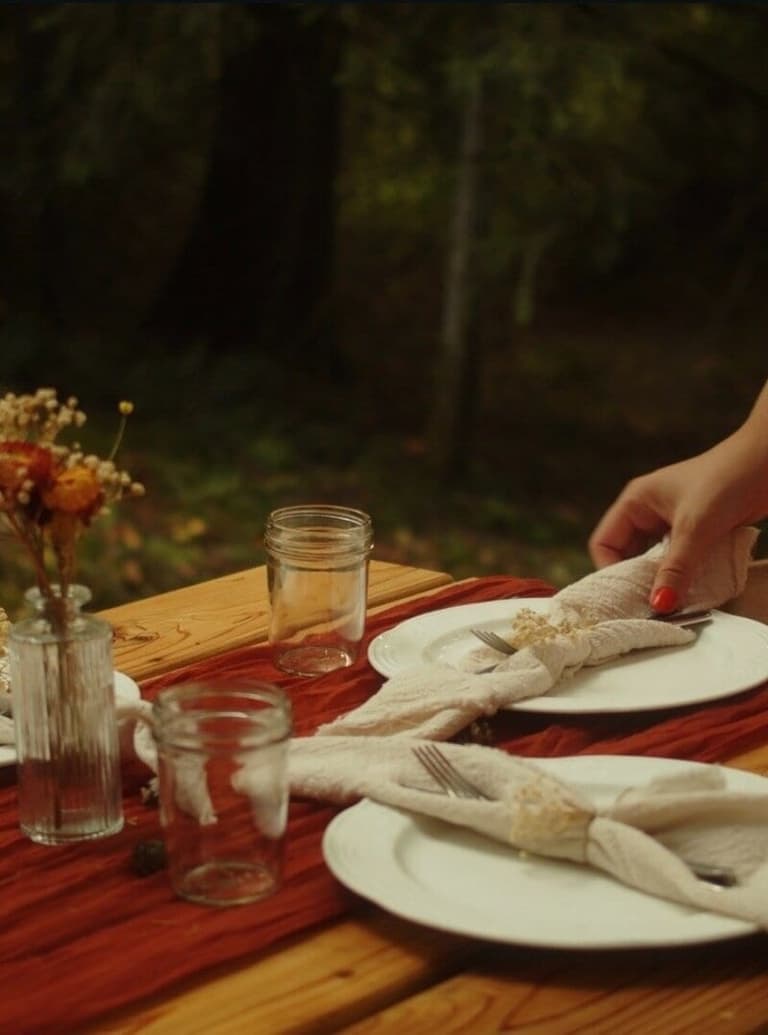
Rivers and Roads
Nanaimo River
Rivers and Roads is a newly opened forest wedding and events venue along the Nanaimo River, founded by Rahael Yohannes and built thoughtfully from on-site and salvaged materials on forty acres of temperate rainforest with over a kilometre of riverfront. Beneath riverside maples, live-edge Douglas fir bench seating welcomes ceremonies, while handcrafted cedar tables for up to sixty rest in a cedar grove covered by a Bedouin stretch tent, with Chinook salmon, moss-covered caves, and sword ferns framing a setting that shifts with every season. Just fifteen minutes south of Nanaimo with easy ferry and airport access, it’s now taking bookings for June 2026 onward.
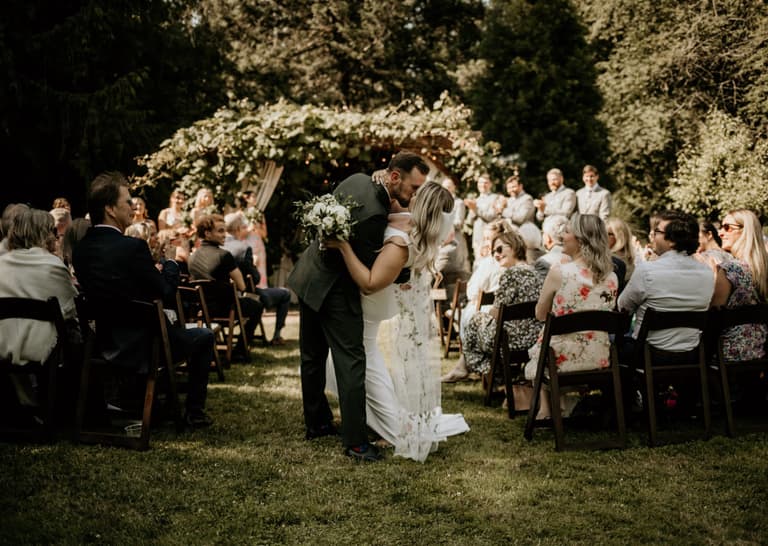
Noisy Acres Garden Estates
Yellow Point
Tucked into the quiet Yellow Point countryside between Ladysmith and Nanaimo, Noisy Acres Garden Estates is a family-run outdoor wedding venue with seven acres of very private landscaped gardens, flower beds, pathways, ponds, and waterfalls all surrounded by forest. The property features a large post-and-beam pavilion, grape arbor ceremony site, gazebos, fire pit, and full bar services, with in-house coordination included to keep the day running smoothly. With over a decade of hosting weddings and a warm, hands-on family team that couples consistently rave about, it's one of mid-Island's most beloved rustic and romantic garden wedding destinations.
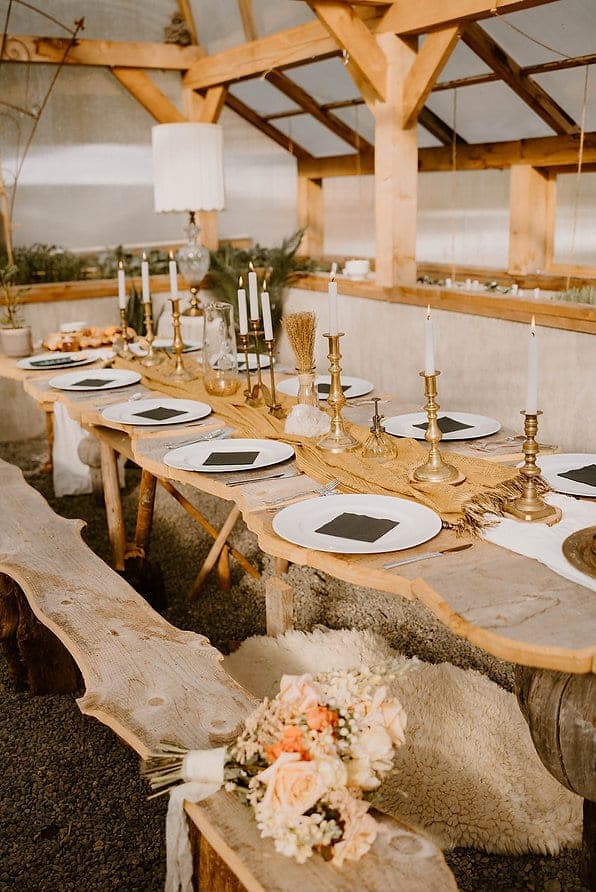
Grow Wild Retreats
Shawnigan Lake
Grow Wild Retreats is a 4th-generation family farm on 106 acres on the west side of Shawnigan Lake, offering an off-grid, nature-immersed setting for wedding weekends that feel grounded and spacious. Couples can host a small number of weddings each year on the property, with forest trails, open fields, and a private lake that make it easy to shape a celebration around the land itself. Alongside weddings, they’re also known for their Off-Grid Wellness BnB and retreat experiences, which speaks to the calm, restoration-forward vibe couples and guests feel the moment they arrive.
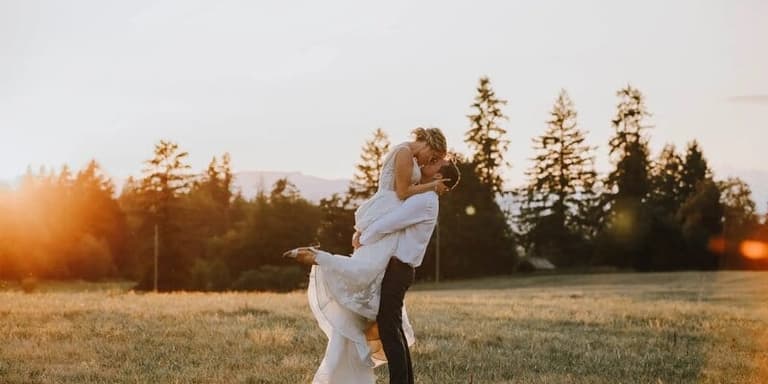
Shannon Farms
Port Alberni
Shannon Farms offers a summer wedding venue in the Alberni Valley near Port Alberni, set at the base of the Beaufort Mountain Range with wide open field views and West Coast forest all around. Their wedding package is built around The Cabin and the surrounding grounds, with space for up to 100 guests and a multi-day, weekend-style setup that includes four nights of accommodation (Thursday–Monday). Ceremony and portraits can happen across the cabin grounds and adjacent fields, with a shop/barn reception option plus an outdoor area strung with lights, and included essentials like fir harvest tables, cross-back chairs, and an on-site washroom facility.
Keating Farm
Cowichan Valley
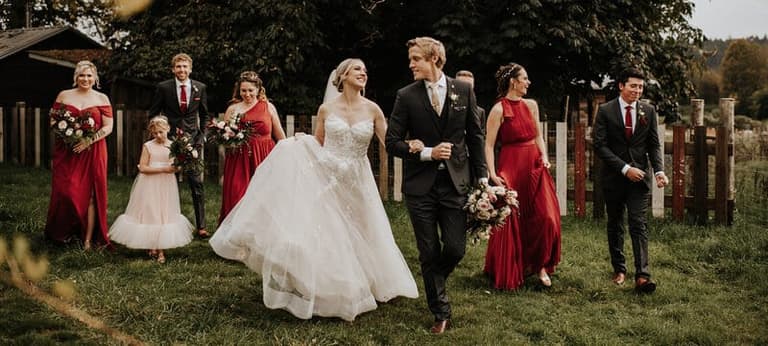
Keating Farm is a heritage farm wedding venue in the Cowichan Valley, offering a private, storybook setting with multiple ceremony and reception spaces across the property. Couples can host ceremonies in open fields with valley views, tucked into the orchard among mature nut trees, or indoors in the timber hay barn or farmhouse great hall. It’s designed as a full weekend-style experience, with the farm reserved for you and your guests, plus on-site accommodations in converted agricultural buildings.
Avellana Orchards
Nanaimo
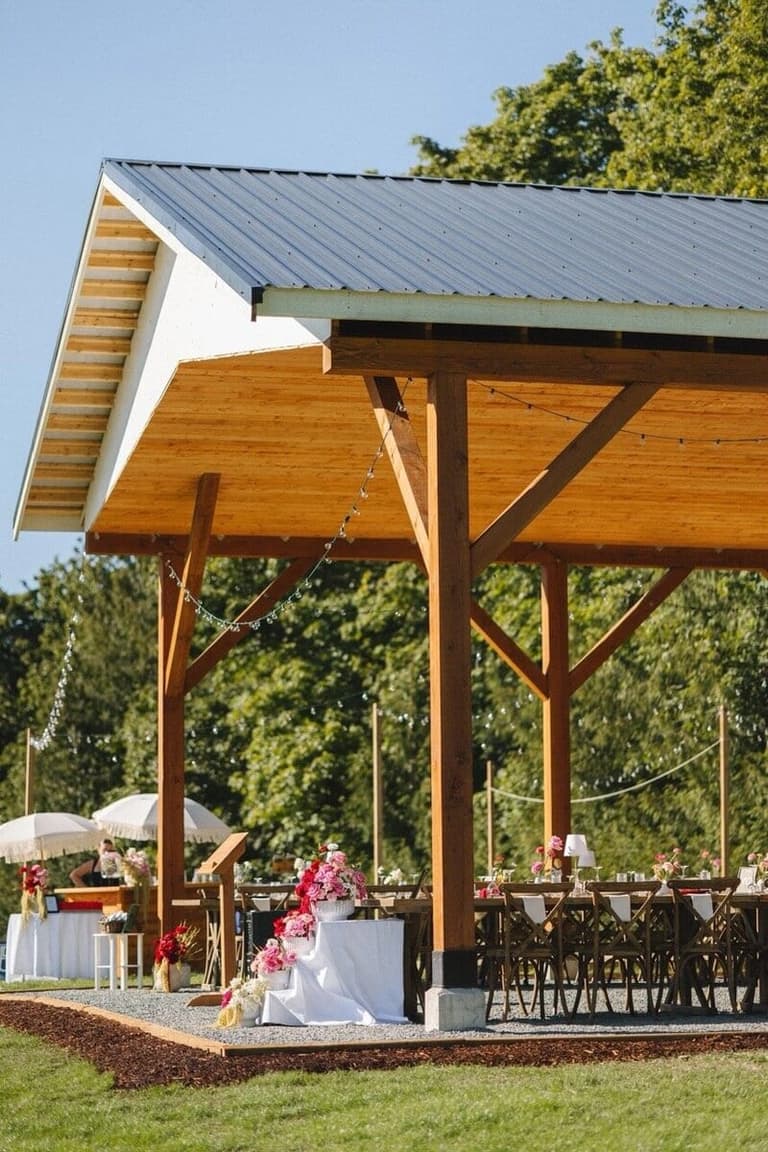
Avellana Orchards (pronounced “Ah-veh-YAH-nah”) is a family-run wedding venue on a 65-acre farm in Nanaimo, framed by a hazelnut orchard and wide open farmland views. The property is designed for celebrations that feel relaxed and grounded in nature, with a clean, modern-rustic look and plenty of space for guests to spread out across the grounds. For weddings, the farm’s signature feature is the timber-frame pavilionideal for an open-air reception setup with long harvest tables, string lights, and an easy flow for cocktail hour and dancing.
McLean Mill National Historic Site
Port Alberni
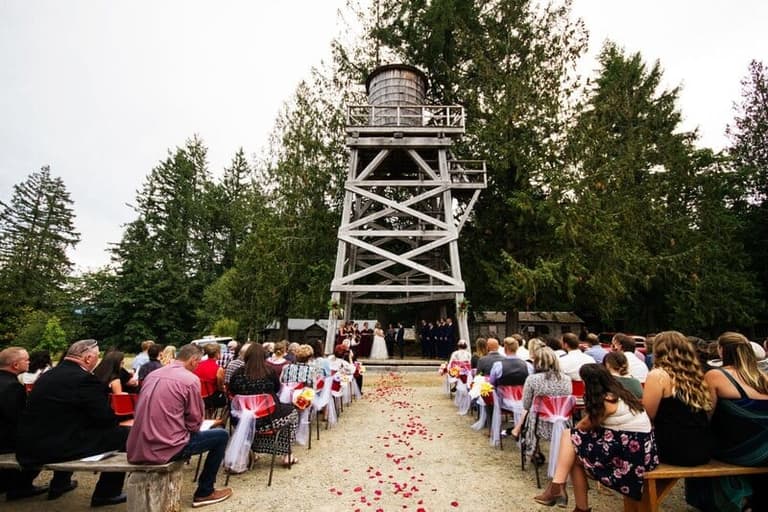
McLean Mill is a rustic, forest-wrapped wedding venue in Port Alberni’s Alberni Valley, set within a preserved historic sawmill site where old buildings, timber structures, and woodland paths create a setting that feels both tucked-away and full of story. Their wedding options centre around McLean Hall, the courtyard, and terraced outdoor areas, with packages that support ceremonies on the historic grounds and receptions inside the hall with outdoor seating available in the courtyard. They note typical wedding capacity around 90–100 guests indoors, making it a strong fit for couples who want a West Coast venue with real character.
Providence Farm
Cowichan Valley
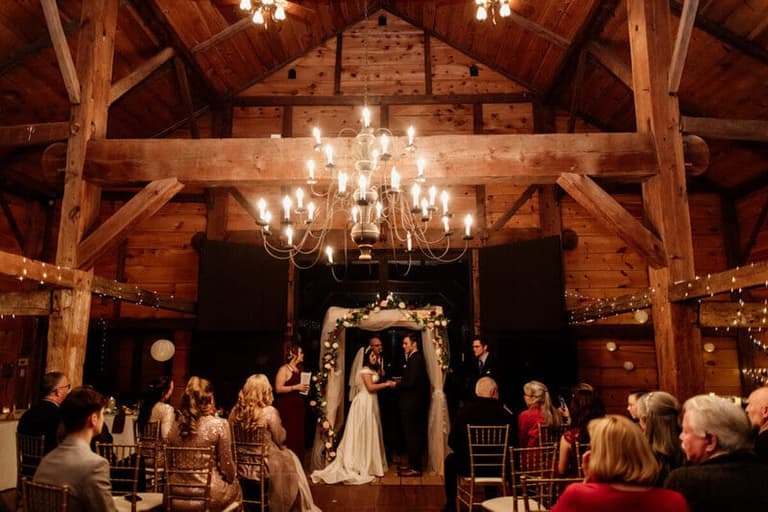
Providence Farm is a nature-based, therapeutic working farm and registered charity in the Cowichan Valley, offering a warm, countryside setting for weddings and gatherings across 400 acres at the base of Mt. Tzouhalem. Their event areas include gardens and farm outbuildings, with a summer pavilion that can host up to 200 guests, making it a great fit for classic, garden, rustic, or vintage-inspired celebrations.
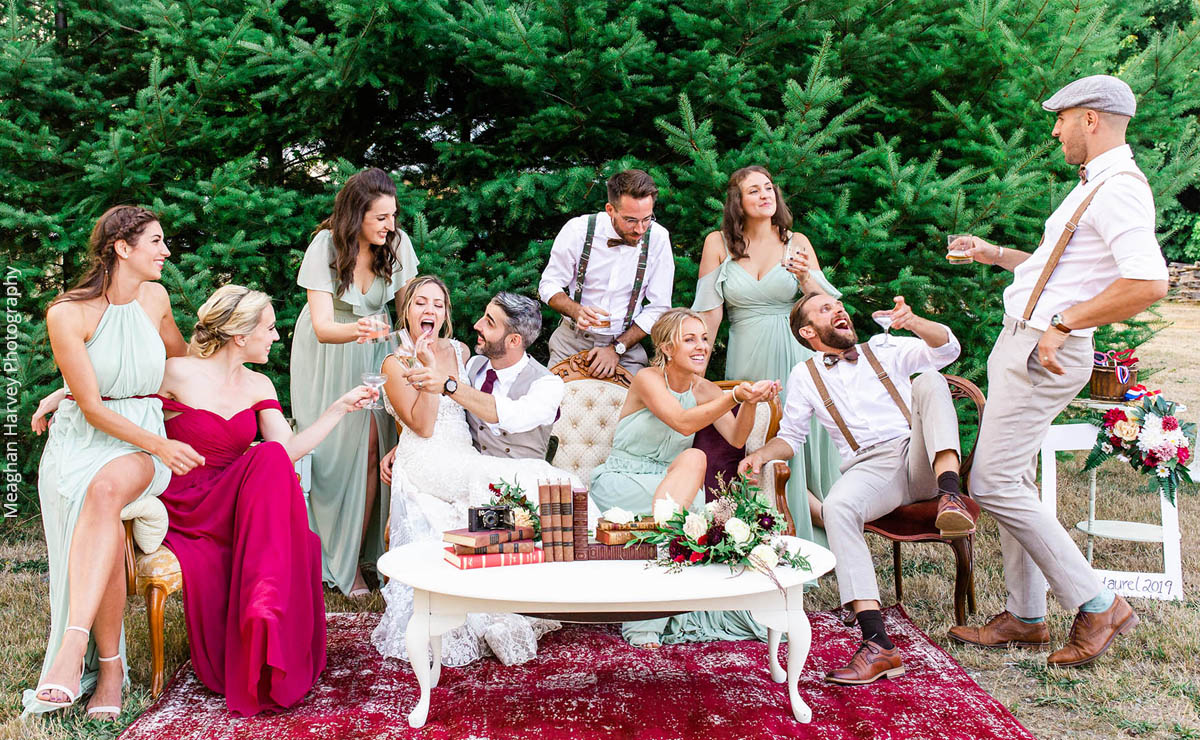 Meaghan Harvey
Empress Acres
Empress Acres is a 69-acre organic farm in Cedar, British Columbia, between Ladysmith and Nanaimo, offering couples exclusive use of the property for weddings and events. The setting opens onto rolling hills and coastal mountains, with a large pole barn, dance floor, two moveable rustic bars, and cedar-lined washrooms, plus a venue host on-site throughout. It sits within 10 to the Nanaimo Airport and 15-20 minutes of two ferry terminals. A warm and welcoming setting for your wedding celebration, with open-air spaces, privacy, and the peace and beauty of the countryside.
Who will bring the flowers?
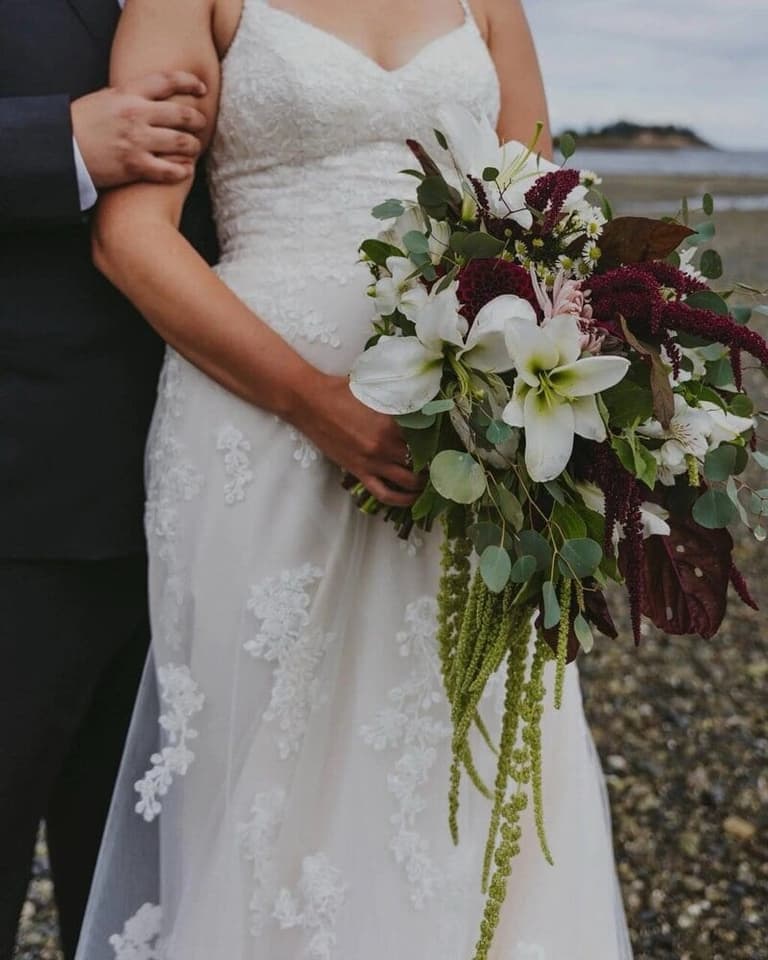
Roo Floral
Parksville
Roo Floral is a garden-forward wedding florist based in Parksville, founded by Miranda, who grows many of her own flowers and sources the rest from local growers to keep every arrangement rooted in the season and the region. Her approach is patient, collaborative, and deeply attentive, brides consistently describe her as the kind of florist who really listens, delivers something more beautiful than they imagined, and makes the whole process feel calm and joyful. From lush bridal bouquets to large-scale hanging floral installations, Miranda brings an artful touch to weddings across Vancouver Island.
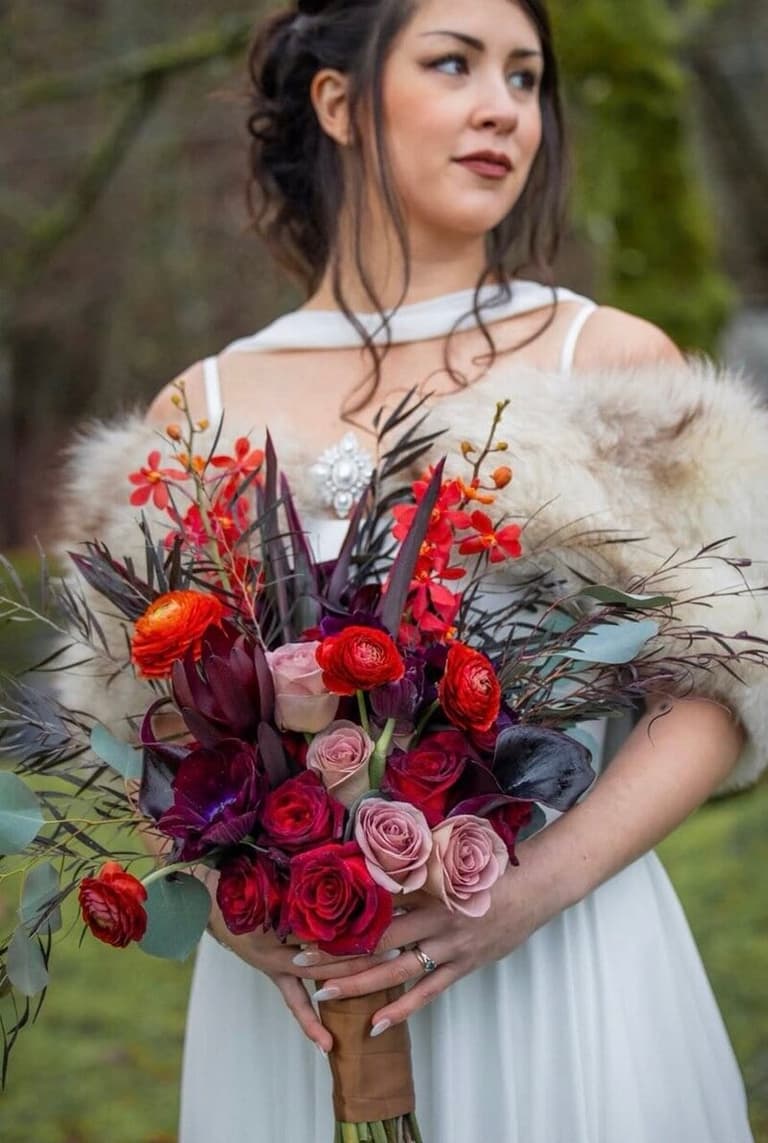
The Flower Guys
Duncan
The Flower Guys is a new shop in downtown Duncan, opened by business partners Scott Hayes and Kenyon Fairs at 121 Station Street. They work in a European-market style, inviting you to pick your own stems from the buckets or sit down and build something custom together. Alongside floral designs for weddings and events, they keep a good selection of tropical and indoor plants, and they bring a city-forward creative energy that feels a little new for the Cowichan Valley. They serve all of Vancouver Island and the Gulf Islands. For couples after a florist with a fresh eye and a real love for the craft, The Flower Guys is worth a look.
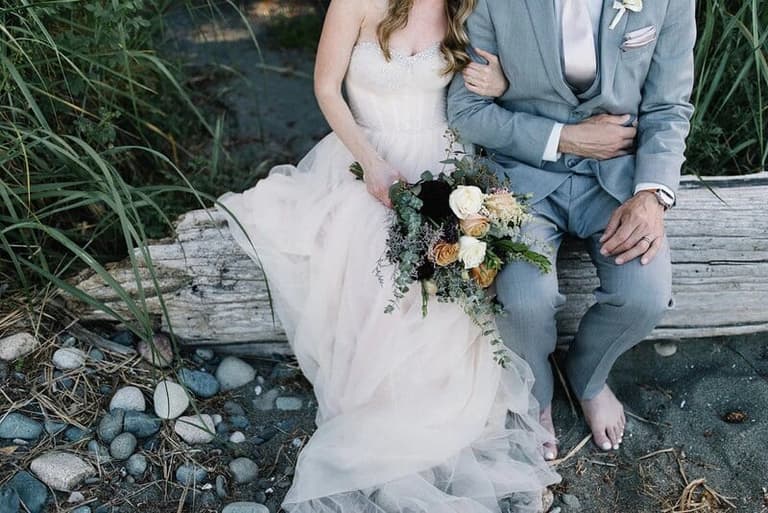
Evoke Floral
Parksville
Evoke Floral is a full-service florist and wedding floral studio based in Parksville on Vancouver Island, creating bright, romantic arrangements and wedding flowers with a focus on locally sourced, island-grown seasonal flowers and sustainable practices. Led by a certified floral designer with over 20 years in horticulture, the studio offers bespoke bouquets, event florals, elopement flower packages, and weekly and corporate subscriptions, with delivery routes that cover Parksville, Qualicum Beach, Nanaimo, and the wider Vancouver Island region.
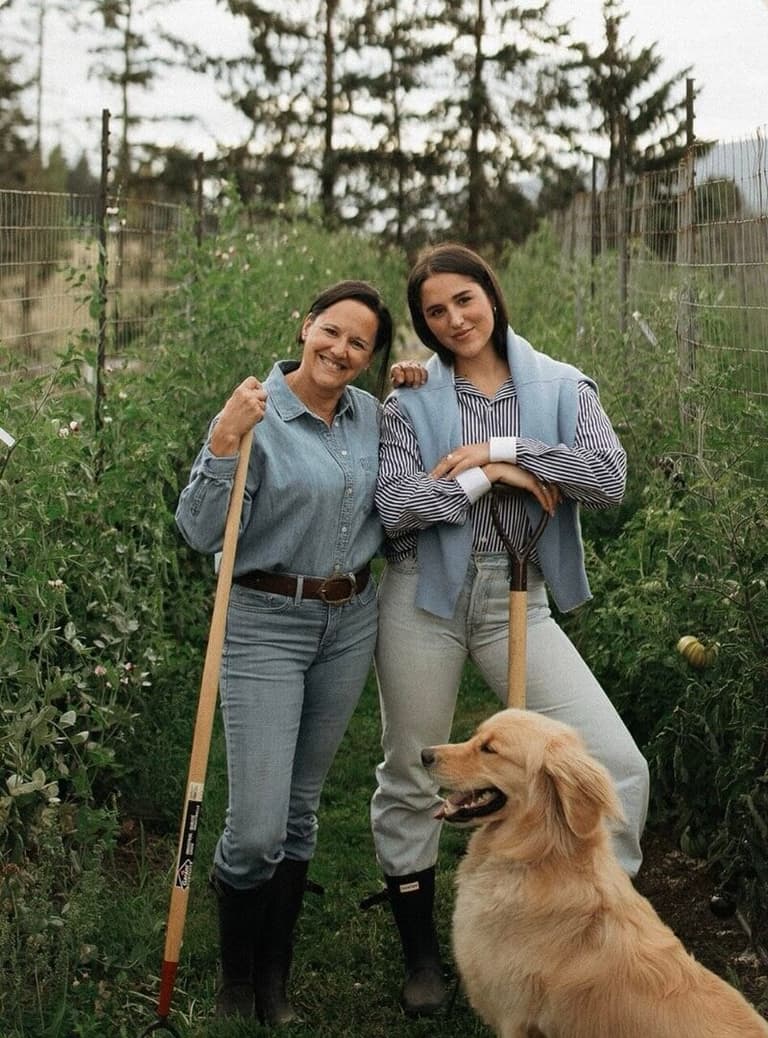
Whiffle & Hum Farm Co.
Cowichan Valley
Whiffle & Hum Farm Co. is a small-scale flower farm and design studio in the Cowichan Valley, growing seasonal field flowers and creating hand-tied bouquets, custom arrangements, and subscriptions that bring farm-grown colour into homes and workplaces. Founded by flower farmer Lee Anne, the farm offers market-style bouquets, corporate and home bouquet subscriptions, workshops, and gift cards, with flowers available through their own shop, at the Duncan Farmers’ Market, and as a pickup point for Cow-op orders, making it easy for locals to enjoy fresh, whimsy-filled blooms all season long.
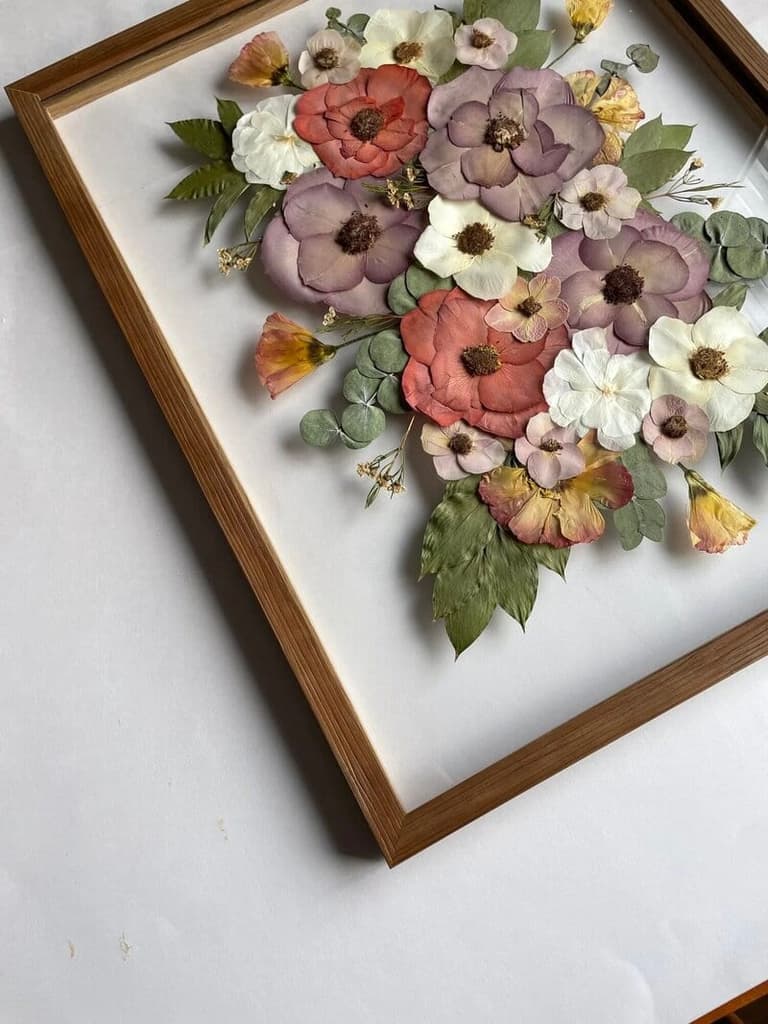
Preserved Petals
Naniamo
Preserved Petals is a Nanaimo-based modern flower preservation studio founded by Alicia, a wedding enthusiast and artist who transforms cherished wedding bouquets into lasting pieces of art. After couples pick their products and share design preferences, she carefully dries and preserves their flowers, then creates custom keepsakes that capture the romance, emotion, and magic of the day, turning once-fresh bouquets into framed displays and art pieces meant to be admired for years to come.
Who will feed your guests and quench their thirst?
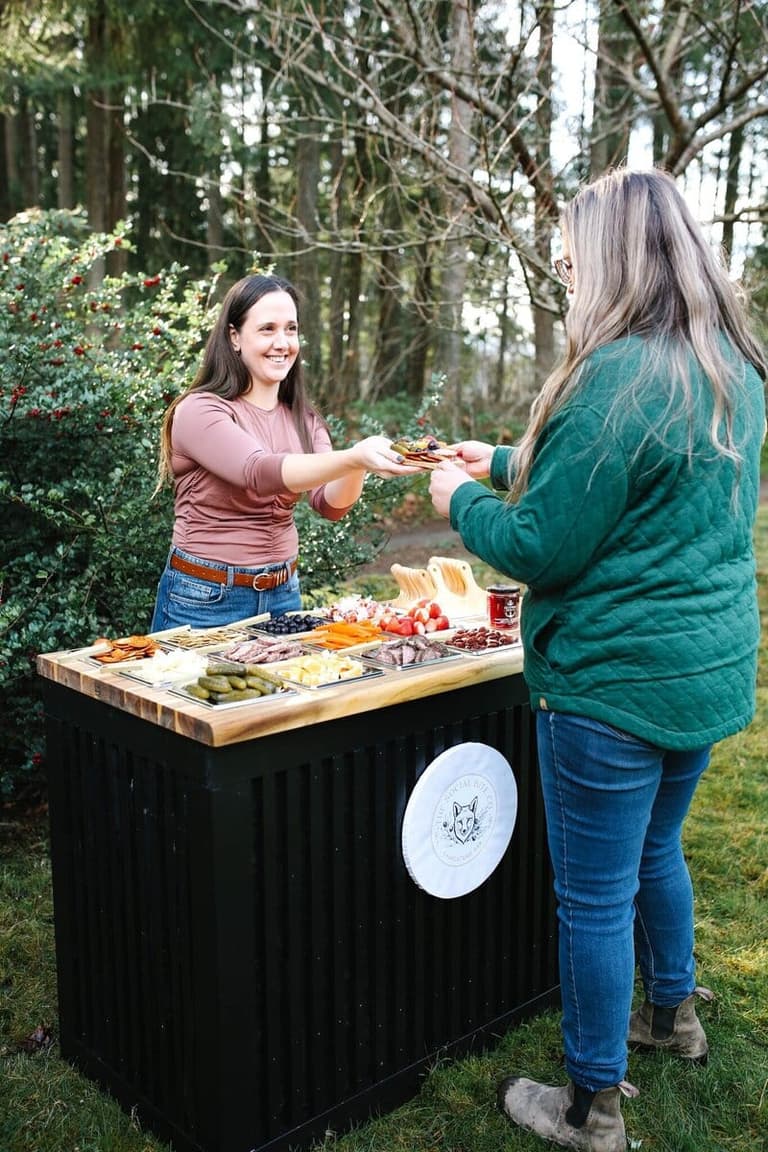
The Social Bite Collective
Cowichan Valley
The Social Bite Collective offers a genuinely distinctive take on wedding food service: a fully staffed, bottomless charcuterie bar where each guest receives their own personal board of curated meats, cheeses, and accompaniments, with refills served throughout the event by the team. Couples choose 12 items from a curated menu to personalize the spread, and everything is prepared in an Island Health-approved commercial kitchen by FoodSafe-certified staff. It's an elevated, interactive food experience that works beautifully for cocktail hour, grazing through a reception, or as a standalone celebration feature.
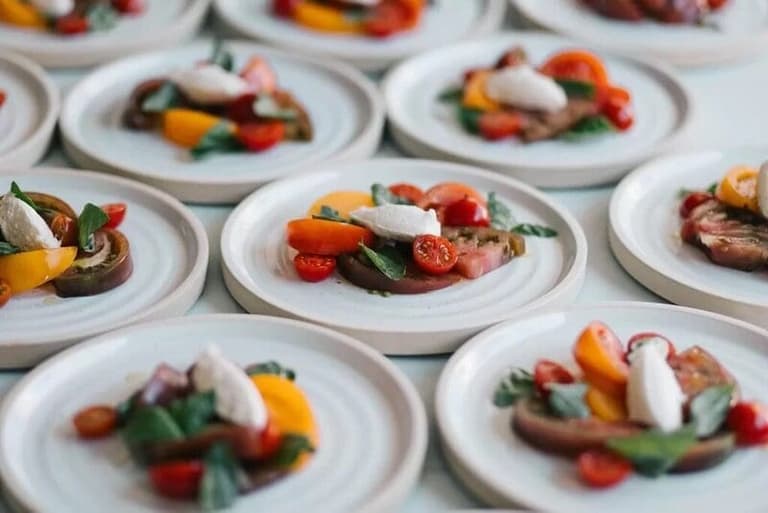
Mensch Kitchen & Catering
Cowichan Valley
Mensch Kitchen & Catering is a Vancouver Island catering team creating custom wedding menus that feel personal, generous, and rooted in local ingredients. They’re set up for a wide range of wedding styles, from plated dinners and family-style feasts to canapés, grazing, and food stations, with a planning process designed to keep things clear and calm from inquiry through execution. Their approach is grounded in ethical sourcing and relationships with Island farmers and producers, with sustainability woven into how they build menus and run events.
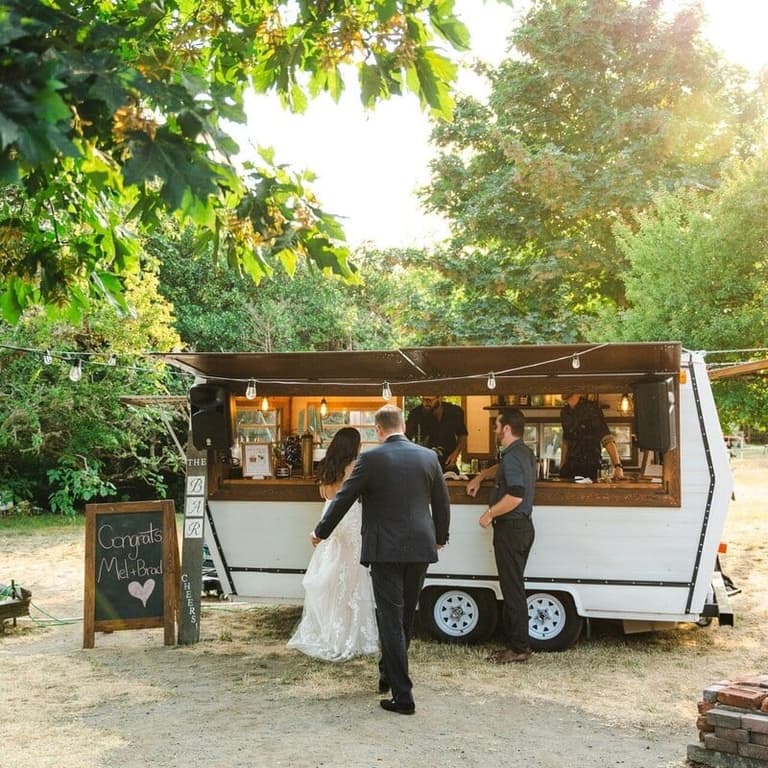
TravelBar Mobile Bartending
Nanaimo
TravelBar is a Nanaimo-based mobile bar and bartending team built from a renovated 1970s camper trailer, bringing a full bar-on-wheels experience to weddings and events across the coast. Each booking can include SIR-certified bartenders plus a fully equipped setup: keg taps, soda system, bar tools, mixes, garnishes, ice, signage, lighting, and even a PA/mic, so the bar feels polished and seamless in any setting. They serve all of Vancouver Island and the Gulf Islands, and also note availability on the western mainland.
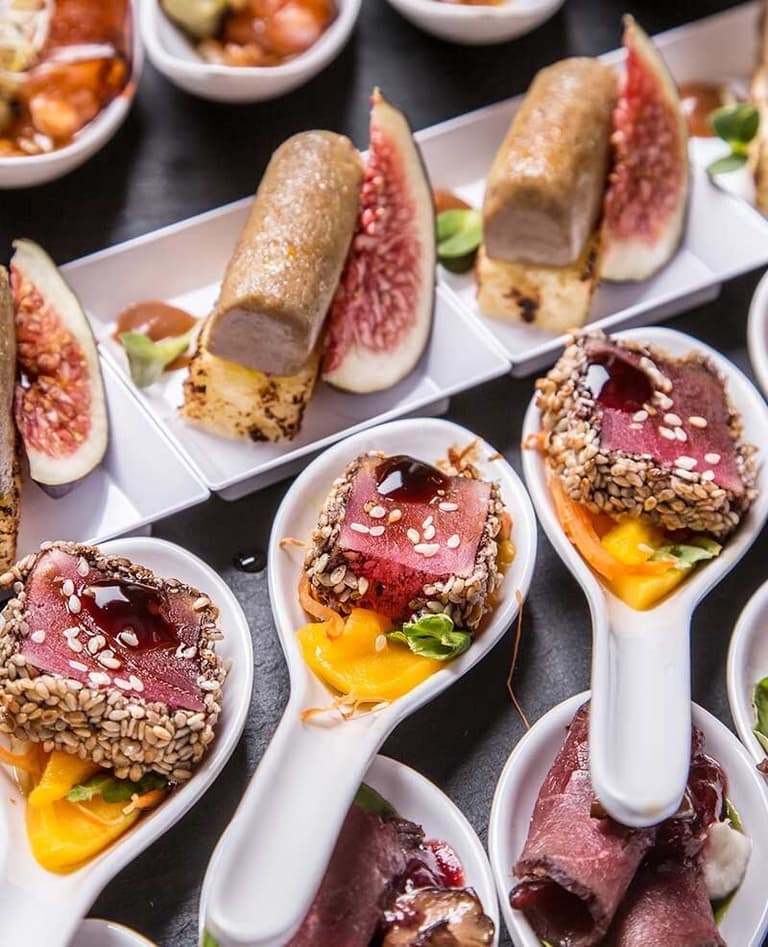
Vancouver Islandevent Catering
Cowichan Valley
Vancouver Island Event Catering is a full-service wedding and event catering team serving celebrations across the Island and beyond. They work with couples to design a menu that fits the day, and can cater everything from rehearsal dinners and bridal showers to reception meals, with options like brunch, hot and cold buffets, and sit-down dinners. They also offer support with the broader event logistics and coordination so the food service feels smooth from start to finish.
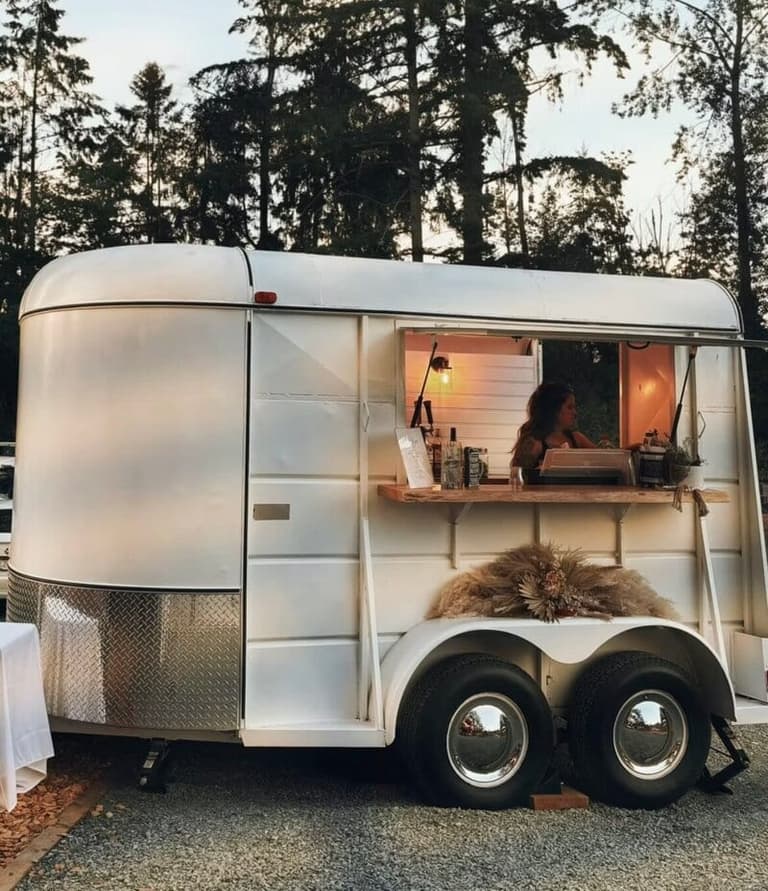
West Coast Street Saloon
Cowichan Valley
West Coast Street Saloon is a family-run, Cowichan Valley–based mobile bartending team offering full-service wedding bars anywhere on Vancouver Island, bringing the setup, the mixes, the cocktail know-how, and the staffing so couples can focus on the celebration. Their packages range from “just the bartenders” for venues that already have a bar, to full mobile bar setups with non-alcoholic mixers, signature cocktail options, garnishes, drinkware, and planning support like menu consults and alcohol shopping lists.
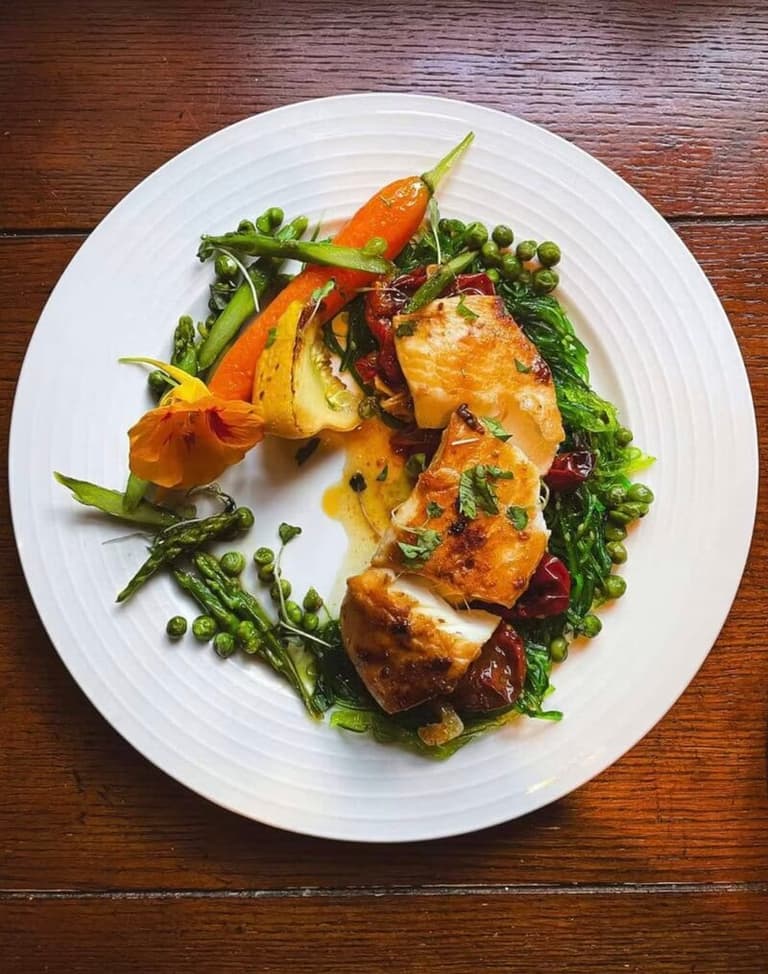
The Fridge Light Studio
Nanaimo
The Fridge Light Studio is a boutique catering studio rooted in the slow-charm of farm-to-table cooking and personalized event menus. According to their website, they build custom, full-service food experiences for weddings and gatherings across Vancouver Island. Whether hosting a few loved ones or feeding a hundred guests, they specialise in menus that reflect your taste, style, and any dietary needs with bold flavours, seasonal ingredients and refined presentation. With a blend of rustic elegance and creative flair, The Fridge Light turns food into a meaningful part of the celebration.
Who will plan the day, and who will marry you?

Shaping Memories
Nanaimo.
Shaping Memories Event Planning is a certified wedding and event coordination company on Vancouver Island, co-owned by Braeja and Trina, who joined forces in 2022 and love to travel for their clients. They work across full-service weddings and three planning packages, from day-of coordination to start-to-finish support, along with custom packages, proposals, elopements, and décor and draping to accent a venue's natural beauty. There is also a Virtual Advisor program with timelines, checklists, and a vow helper. For couples who want to be guests at their own wedding, they hold your hand throughout.
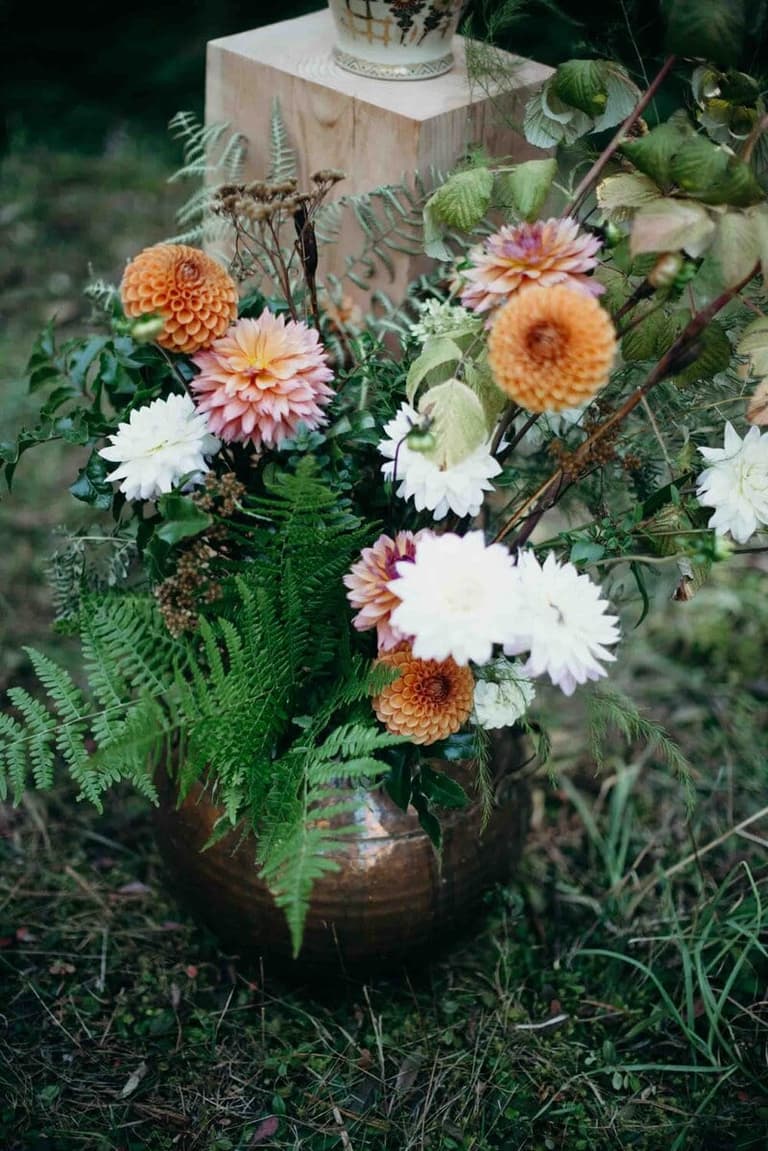
Folklore Wedding Company.
Salt Spring Island
Folklore Wedding Company curates intimate Vancouver Island elopements and micro weddings that feel deeply connected to place, bringing together their planning team, regional photographers, and trusted local vendors for a smooth, well-supported experience. Planning support includes location scouting, permits, ferry and travel guidance, coordination with flowers and officiants, timelines, and the details that make the day feel effortless. They also help shape the experiences around your celebration, think cultural tours, hot springs visits, spa days, nature walks, and coastal adventures, so your time on the Islands feels like a full wedding journey.
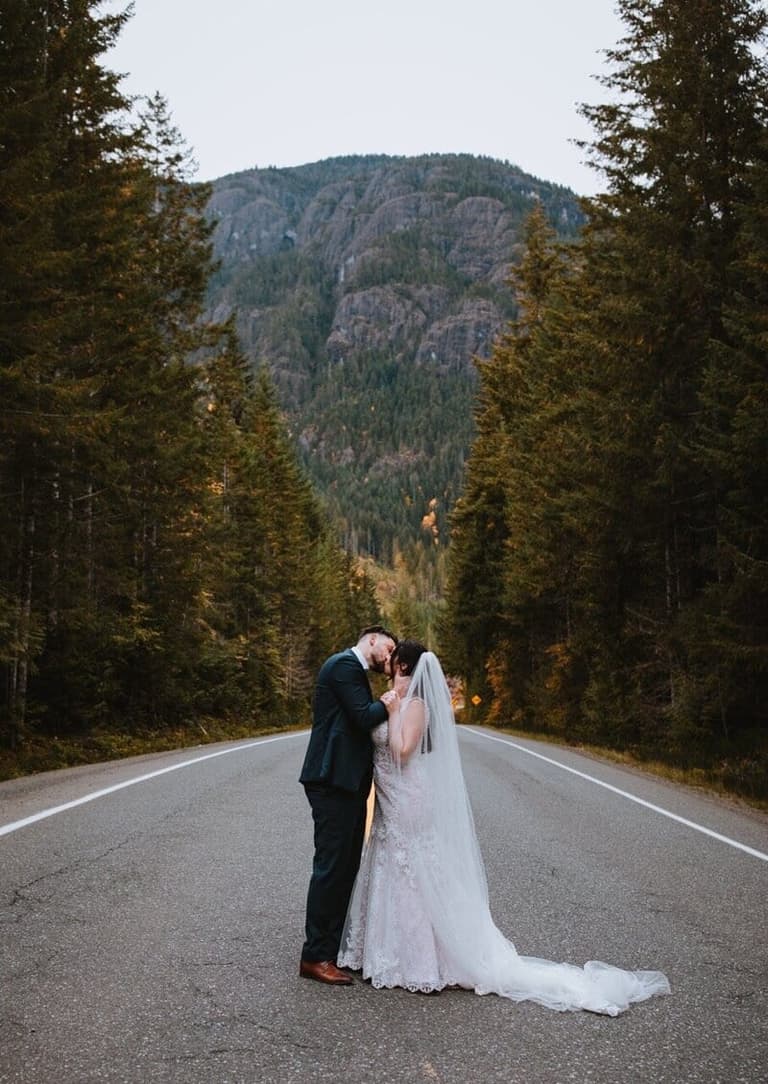
Vancouver Island Elopements
Ladysmith
Vancouver Island Elopements is an all-inclusive elopement planning + photography service led by Elyse Cornish, created for couples who want a day that feels calm, personal, and fully taken care of. They help shape the whole experience, from location ideas across Vancouver Island (beaches, forests, and mountain backdrops) to coordinating trusted local vendors like officiants, florals, and hair + makeup, so you can show up, be present, and leave with a gallery that feels like you.
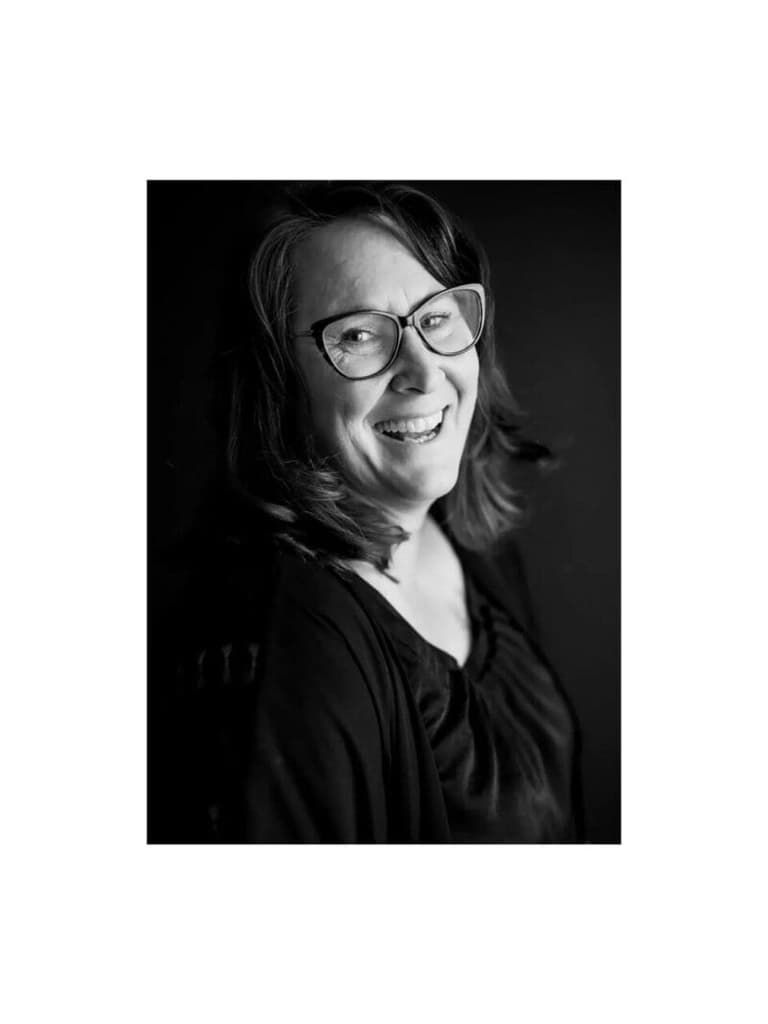
Deanna Balcarras
Qualicum Beach
Deanna Balcarras is a certified life-cycle celebrant based in Qualicum Beach, crafting personalized wedding ceremonies, elopements, and celebrations of life that are as unique as the people they honour. As a celebrant rather than a civil officiant or religious minister, she brings a deeper collaborative approach, listening carefully to a couple's story and writing a ceremony that reflects exactly who they are, whether that means something spiritual, secular, playful, or profoundly intimate. She is open to all couples and welcomes all traditions, beliefs, and backgrounds.
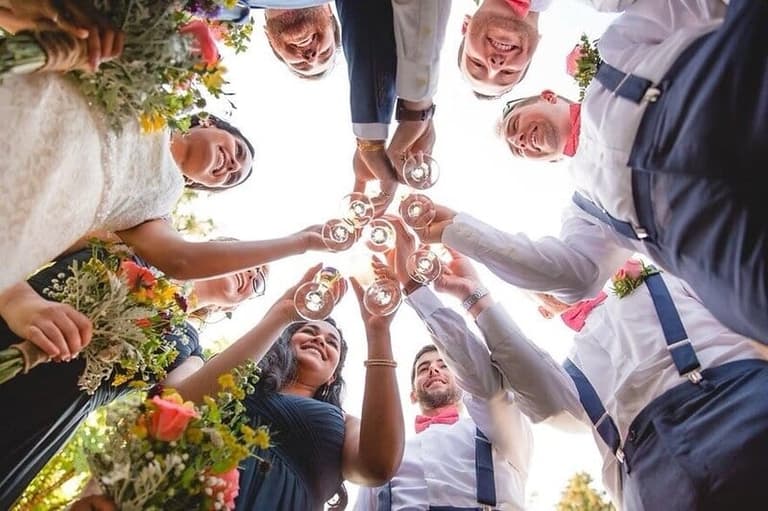
Shaping Memories Event Planning
Nanaimo
Shaping Memories is a certified wedding and event planning company based in Nanaimo, led by Braeja and Trina with over eleven years of experience coordinating celebrations across Vancouver Island and beyond. They offer a full range of services from day-of coordination and full planning to draping and design, elopements, proposals, and a virtual wedding advisor program for couples who want to plan independently with professional guidance. Proudly LGBTQIA+ inclusive and genuinely warm in the way they work, this is a team that wants couples to feel like guests at their own wedding.

LNA Beauty Co.
LNA Beauty Co. is a luxury beauty concierge service founded by Linda, working with clients across Canada. She handles the research, vendor selection, appointment booking, and personal shopping behind a beauty routine, then stays on to provide support through the final details and event day itself. For weddings, this includes beauty planning, coordination, personalized lookbooks, vendor recommendations, and day-of makeup touch-ups. For brides who want their beauty details thoughtfully managed from planning to the final moments, LNA Beauty Co. makes the experience seamless and personal.
Where will the rings and finishing touches come from?
The AYLA View
Nanaimo
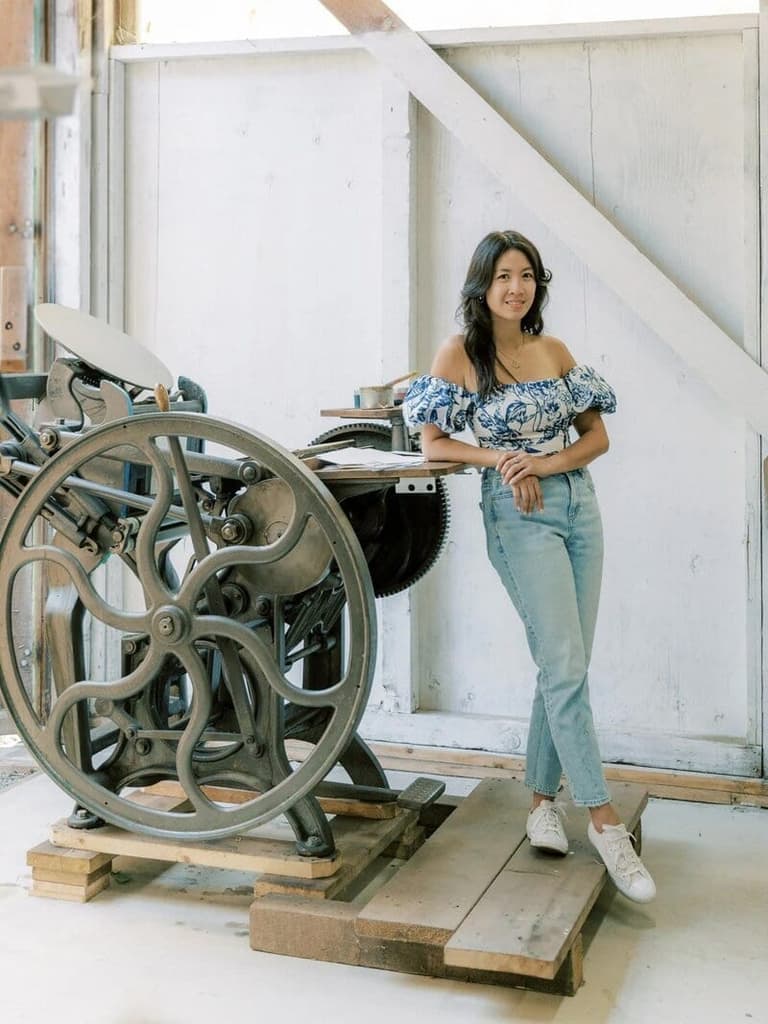
The AYLA View is a Nanaimo-based design and print studio led by Ayla Peña, specializing in fine art wedding calligraphy, sustainable invitation design, and letterpress stationery for couples who want their paper goods to feel intentional and heirloom-worthy. Her style blends modern romance with old-world details, creating suites that can include save-the-dates and invitation sets, plus day-of pieces like menus, seating charts, place cards, and signage, always designed to match the tone of the full wedding weekend. Working from Vancouver Island while serving clients locally and worldwide.
Blackbird Jewellers
Nanaimo
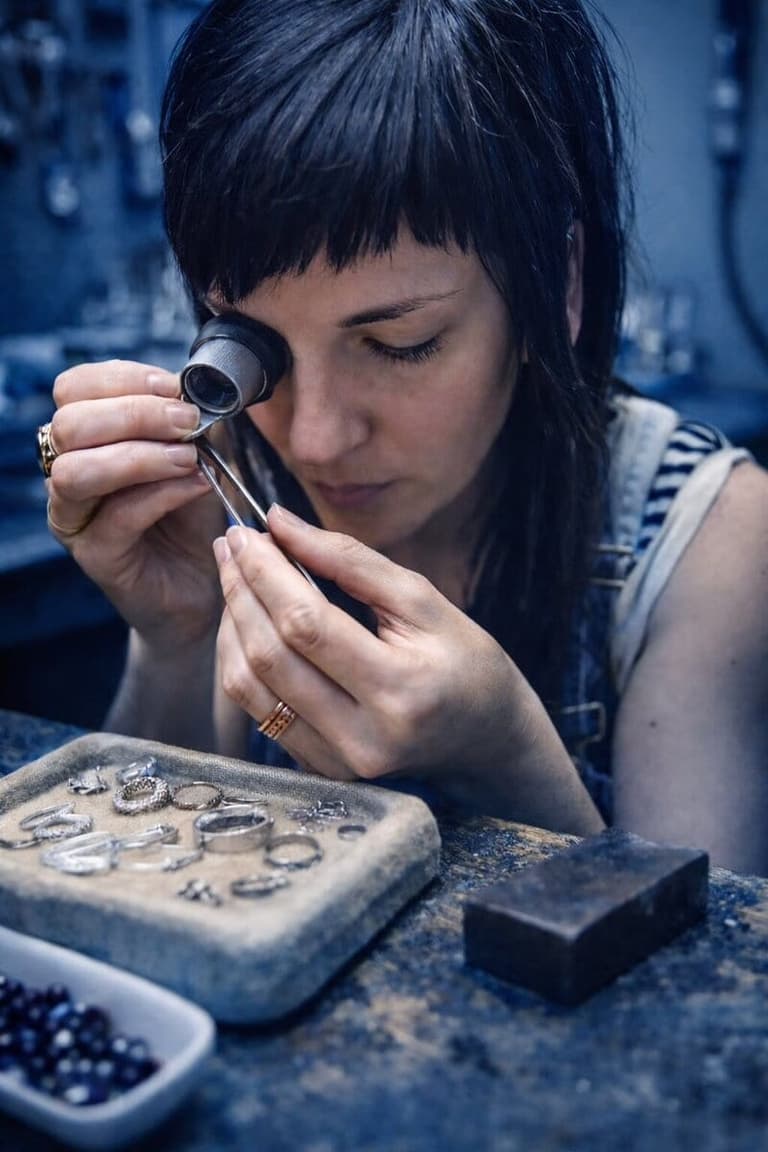
Blackbird Jewellers is a Nanaimo studio led by goldsmith Anna Duncan, specializing in bespoke engagement rings and wedding bands that feel distinctly personal, with each piece designed and made by hand at the bench. Their work also includes expert repairs, restorations, and a meaningful “reforge” option that transforms old gold, silver, broken pieces, or heirlooms into a new ring or keepsake, perfect for couples wanting their wedding jewelry to carry history forward in a fresh form.
Where will the tables, linens and decor come from?
Timeless Party Rentals
Parksville
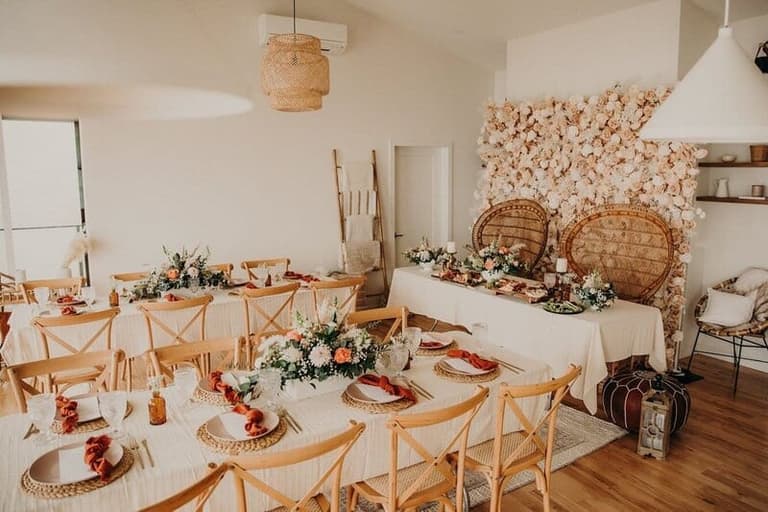
Timeless Party Rentals is a Vancouver Island wedding and special event rental company based in Parksville / Errington, offering a wide range of décor, equipment, and custom props to help couples create a cohesive setup without sourcing from multiple places. Their catalogue spans everything from statement backdrops and arches to tables, chairs, linens, and styling details, with many pieces built in-house and the option to customize when you’re looking for something specific. They deliver across the Island and note a service area that runs from Campbell River to Victoria and beyond.
Black & White Event Rentals
Parksville
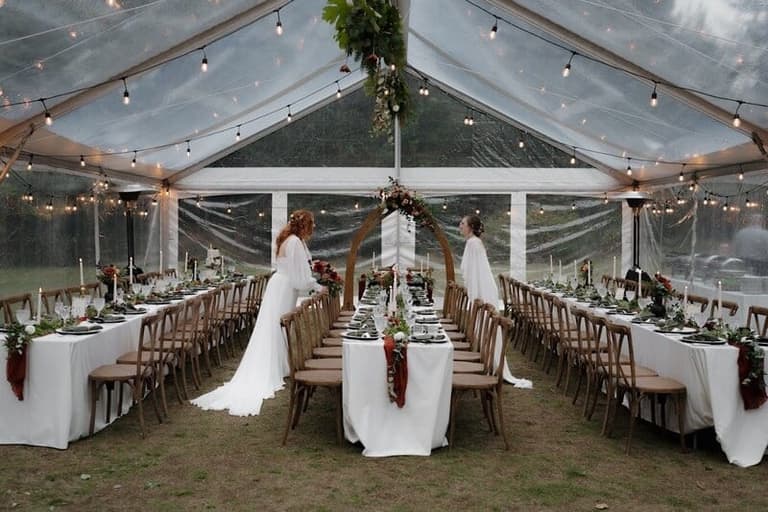
Black & White Event Rentals is a long-standing Vancouver Island rental company (operating since 1991) known for the big, practical pieces that make outdoor weddings run smoothly, tents (including sailcloth, marquee, and frame styles), tables and chairs, dance floors, lighting, heaters, and even executive washroom trailers. They deliver across Vancouver Island and the Gulf Islands, reaching everywhere from Victoria and Sidney up to Campbell River, Port Hardy, Port McNeill, and west to Tofino and Ucluelet, making them a strong option for weddings that need solid logistics in remote or weather-prone spots.
Triple T Party Rentals
Nanaimo
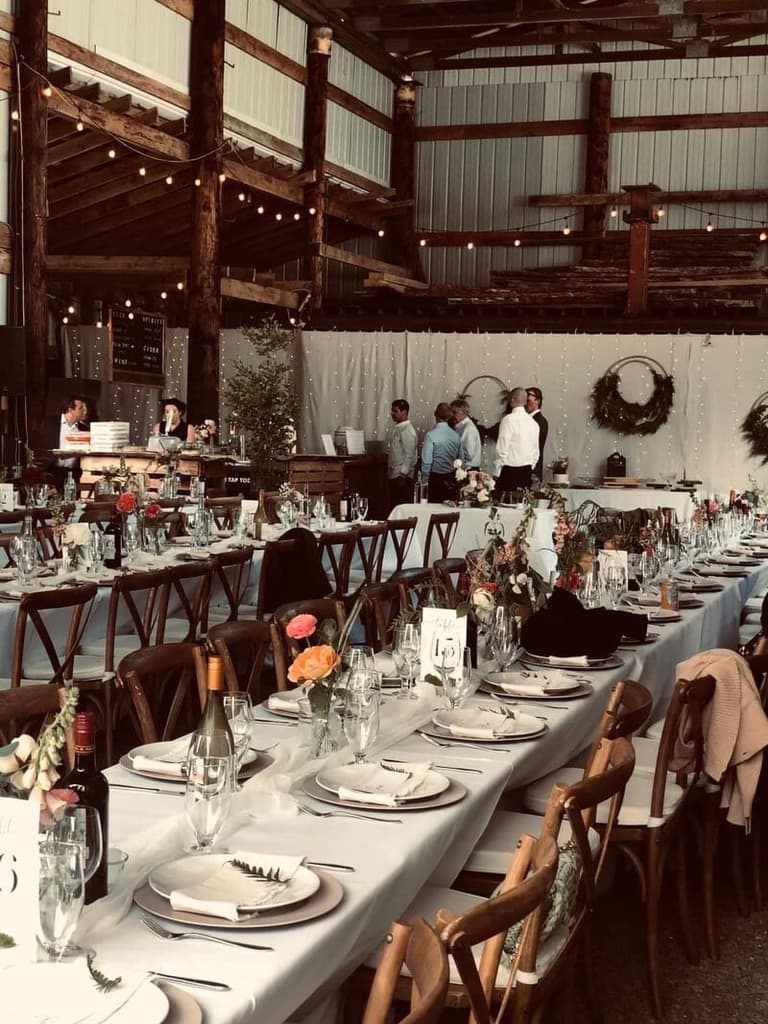
Triple T Party Rentals is a Nanaimo-based event rental company that’s been serving Vancouver Island weddings and gatherings for over 30 years, offering the core pieces that make a celebration feel polished and easy. Their catalogue includes tents and accessories, tables and chairs, linens, dinnerware and glassware, bar and serving pieces, plus wedding décor items like arches and styling details, so couples can keep rentals streamlined with one team. They offer delivery or self pick-up, and note their delivery area is generally Qualicum to Duncan, with pricing and logistics quoted based on the size of the order and distance.
Special Occasions Tent & Party Rentals
Cowichan Valley
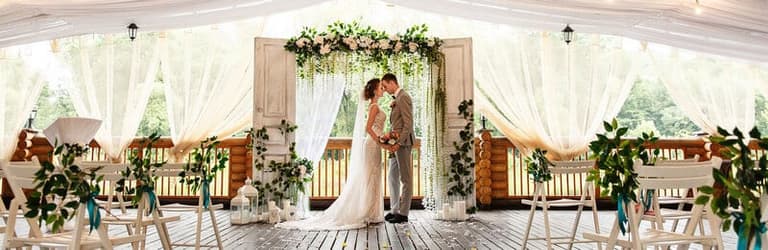
Special Occasions is a Cowichan Valley–based tent and party rental company in Duncan, offering the core pieces that make Vancouver Island weddings feel smooth and well set up, event tents (including frame and marquee styles), tables and chairs (with options like Chiavari chairs and harvest/farm tables), linens, dishware, and a solid selection of wedding décor items like arches and lighting. They’re built for both indoor and outdoor celebrations, with experienced tent technicians who handle setup in a wide range of locations and conditions, and they also offer delivery across Southern Vancouver Island and the Gulf Islands.
Who will get you ready, and where can you unwind?
.jpg)
Vi Beautify Studio
Nanaimo.
Vi Beautify Studio is the work of Ashley, a certified makeup artist and Elite Makeup Instructor offering bridal hair and makeup across Vancouver Island and some of the gulf islands, either in her own studio or on location wherever you are getting ready. Trained in cities from New York to Vancouver and beyond, grounded in a health care background of care and sanitation, she designs soft, timeless looks through packages like The Mini Vow, Let's Elope, and The Vow. Couples wanting a calm, thoughtful getting-ready experience will find an attentive artist here.
Hair by Bfriee
Vancouver Island
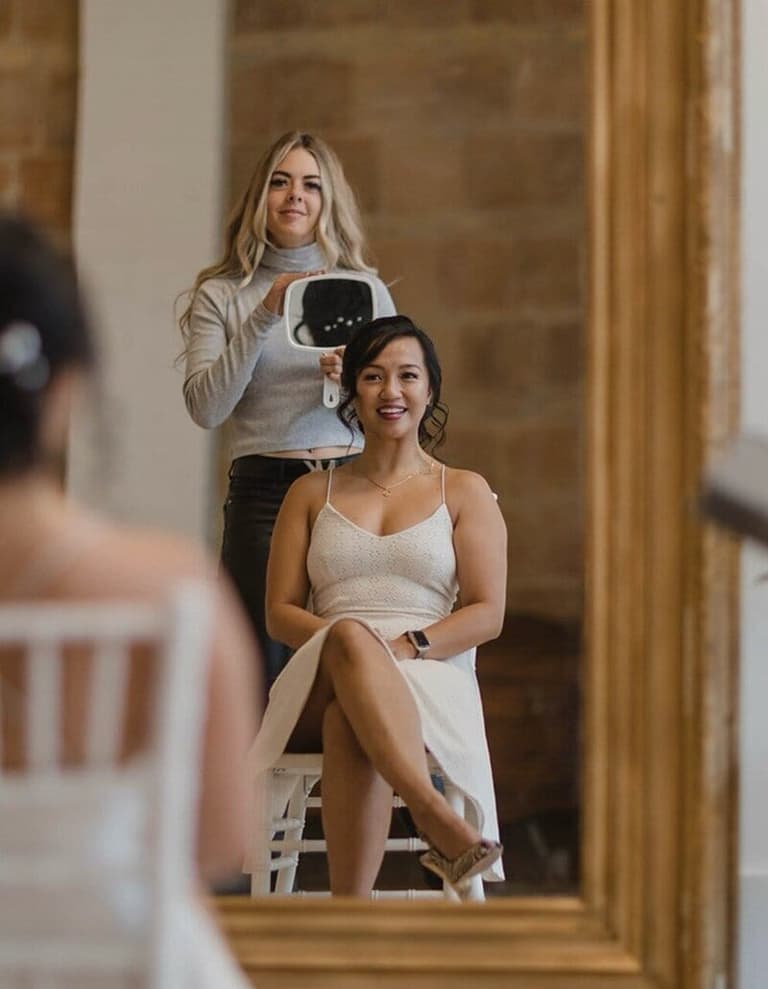
Brandee is a bridal hair stylist and extension specialist with over a decade of experience who recently relocated to the coast of Vancouver Island, bringing her expertise in modern updos, Hollywood waves, and seamless extensions to couples across the region. She works closely with each bride from the trial through the wedding morning, keeping the getting-ready timeline running smoothly while making sure every member of the party feels genuinely beautiful. With extension rentals available for the day and a warm, unhurried approach that brides consistently describe as calm and professional.
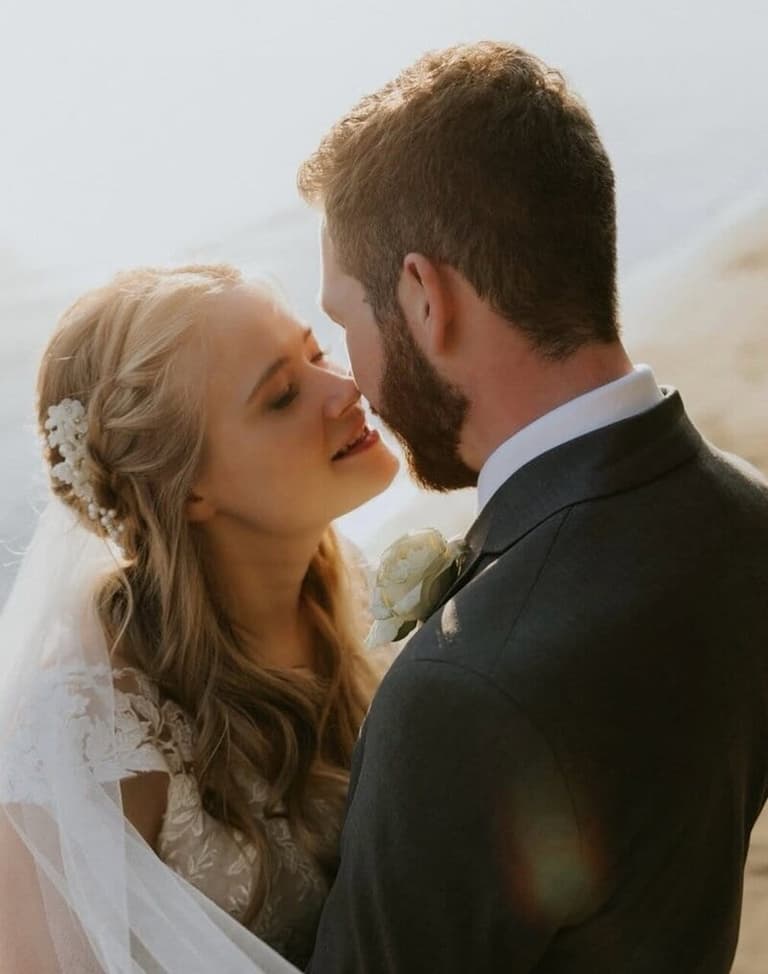
Blythe Beauty
Port Alberni
Blythe Beauty is a bridal hair, makeup, and cosmetic tattooing studio based in Port Alberni, led by Kate, a UK-trained artist with roots in film and television makeup dating back to 2006. She offers bespoke bridal hair and makeup for weddings and destination events across Vancouver Island, with lashes included in all makeup services, alongside cosmetic tattooing specializing in natural, delicate brows using microblading and nano techniques. For brides who want a single trusted artist to handle both their wedding day look and their semi-permanent beauty routine, Kate brings a calm, personal approach to both.
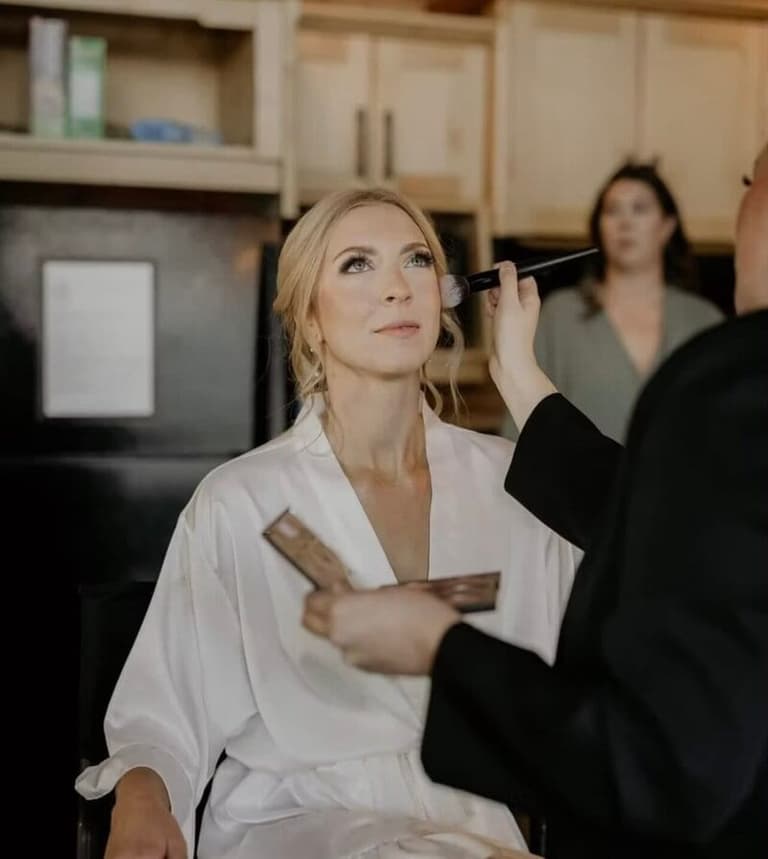
Enhance Beauty
Nanaimo
Based in Nanaimo, Enhance Beauty is led by Rachel, a certified makeup artist & hairstylist trained at Blanche MacDonald, with over 13 years of experience on Vancouver Island. Their wedding-day services are centred around the idea of enhancing natural beauty (rather than masking it), offering bridal makeup and hair packages (including trials, lashes, and touch-up bags), along with guest styling and on-site travel options
Who will play the music?
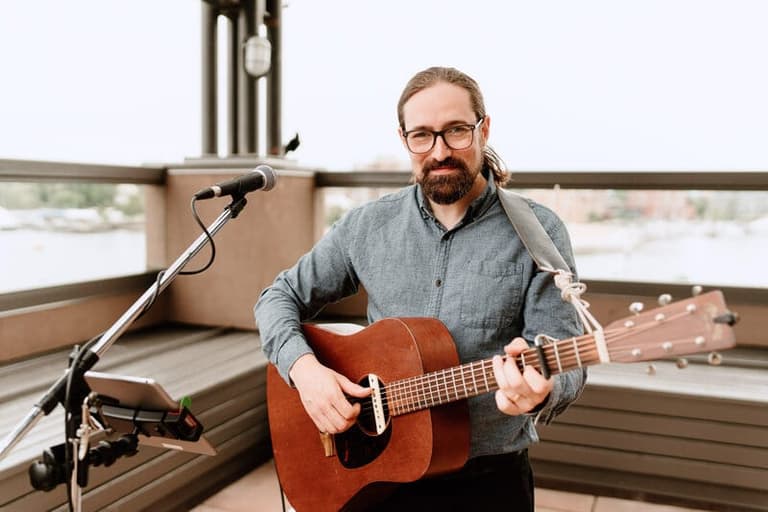
Noah Edwards / Noah and The Flood (Full Band)
North Cowichan
With nearly a decade performing at weddings and events across Victoria, Noah knows how to read a room and how to make it sing. His solo sets are laid-back and soulful: acoustic-driven, mellow, and folky, with a repertoire that spans Zach Brown to Leon Bridges to Elton John. Whether it's walking down the aisle or sipping cocktails at golden hour, Noah's solo performance sets exactly the right mood. Then there's Noah and the Flood, Victoria and the Cowichan Valley's go-to party band. High energy, high fun, and armed with a set list that bounces from feel-good pop anthems to mid-2000s pop punk to timeless folk and R&B, this band knows how to get every generation on their feet and keep them there.
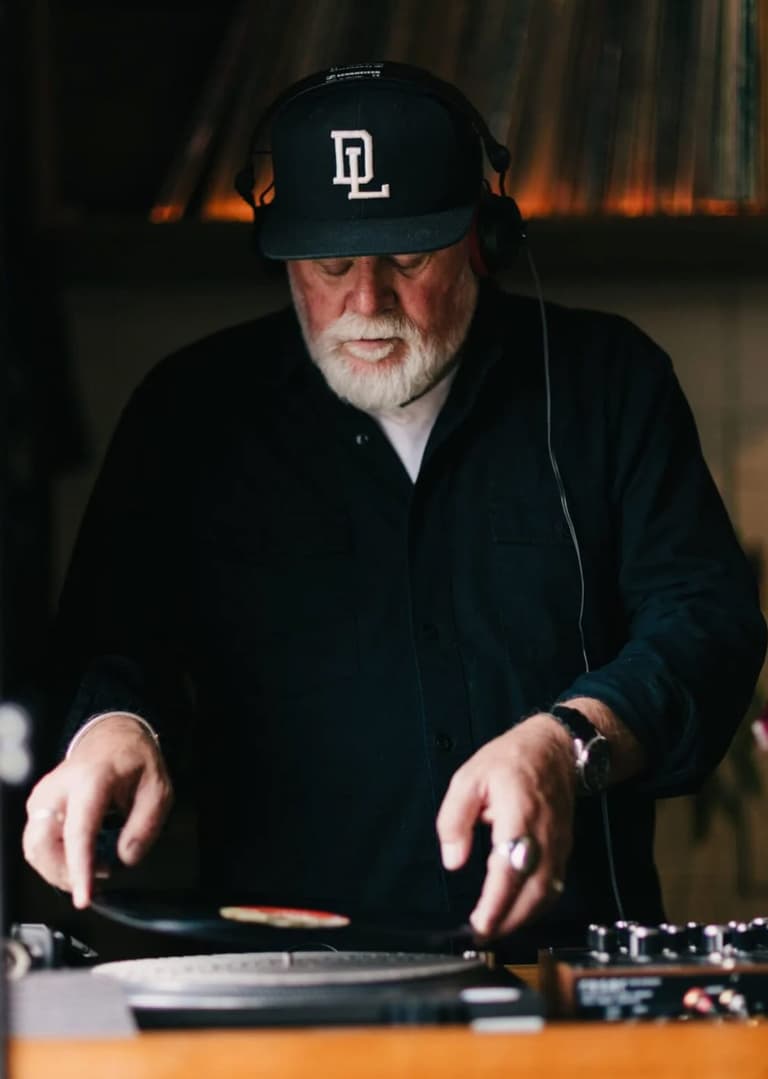
Bassos Rancheros
Bassos, also known as Bassos Rancheros, is a DJ with over 15 years of experience bringing music to weddings, festivals, and private events. Drawing from world music, Latin rhythms, and global funk, he creates vibrant, feel good soundtracks that help each celebration feel lively, welcoming, and full of movement. Bassos works closely with couples to shape a music experience that feels true to who they are. Whether the vision is laid back and soulful, rooted in global rhythms, or centred around a packed dance floor that keeps guests moving all night, each set is thoughtfully curated to match the energy of the day.
.jpeg)
Lee Entertainment
Central Vancouver Island
Lee Entertainment is a wedding and event DJ collective on Vancouver Island, founded by Abraham Lee (DJ AbeLee), who came to the coast from Jamaica and brings more than fifteen years behind the decks. With DJ SUAR3Z, a vocalist rooted in Colombia and jazz, the team covers ceremony music, cocktail hour, and reception, handling sound and lighting throughout and reading the room in real time rather than running a preset list. Couples who want their dance floor full and their key moments to flow will find steady, versatile hands here.
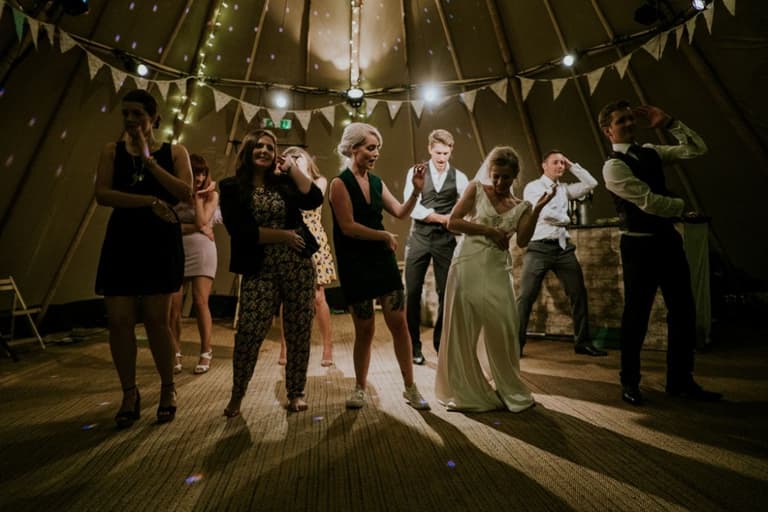
Encore Audio
Encore Audio is a Nanaimo-based DJ and audio-visual collective serving Vancouver Island, the Gulf Islands, and the Sunshine Coast. Owner-led and proudly LGBTQIA+ owned, they handle weddings from ceremony and cocktail hour through dinner, speeches, and the last dance, with professional MC service, premium sound scaled to the venue, wired and wireless microphones, dynamic lighting, and a licensed music library spanning genres and decades. Licensed, insured, and CPDJA members, they offer an online planning portal and clear communication, a steady fit for couples who want the day to run smoothly from first cue to final song.
Frequently Asked Questions
How far in advance should we book vendors and venues in Mid Vancouver Island? +
Yes, there can be. Some communities (especially more rural or coastal spots) may involve travel time, delivery/shipping of gear, or vendors staying overnight. It’s good to ask vendors: “Does your quote include travel, setup/break-down time and any overnight costs?”
Are there extra costs for vendors or logistics in the Mid Island region? +
Travel and access: if your venue requires a ferry or remote road, ensure guest and vendor arrival times align, car rentals or shuttles are booked, and parking is handled Vendor travel and fees: remote venues may mean extra travel or accommodation costs for vendors Accommodation and guest lodging: many venues outside larger centres require you to block rooms and guide guests to local lodging Terrain and site conditions: beach sand, forest paths, moss-covered ground and uneven terrain all affect footwear, setup and mobility for guests Backup plan for weather and light: dense forests and coastal locations can mean early light loss or unexpected weather.
What should we ask vendors that’s specific to Mid Island venues and communities? +
Some useful questions: “Have you worked at our chosen venue (in Cowichan, Parksville, Qualicum or nearby) before?” “What’s your plan if weather changes our outdoor setting?” “How familiar are you with local access, parking and guest accommodation in this region?” “What nearby lodging would you recommend for guests or crew?”
What size wedding works well in this region and how do we decide between an elopement, a micro-wedding or a larger celebration? +
A. This region supports everything from very intimate elopements (2-20 guests) to moderate-sized weddings (50-150+) and beyond. When deciding: Evaluate guest travel and logistics: fewer guests often simplify access and coordination Match your venue and vision: if you’re choosing a dramatic beach or forest clearing, you might opt for smaller scale to maximize the experience Consider budget: smaller guest counts allow more flexibility or more investment per guest Consider guest comfort: remote sites may lack large infrastructure (parking, restrooms, accommodations) so larger guest counts require extra planning
When is the best time of year to plan a wedding here? +
Late spring through early fall tends to offer the best mix of weather, light and venue availability. The region supports forest, vineyard, beach and farm venues alike. Off-peak seasons are possible but may require more contingency planning for weather or limited services.
What are smart planning tips and pitfalls to avoid for weddings on Mid Vancouver Island? +
Smart tips: Build in extra time for vendor arrival, set-up and guest travel, especially for remote venues Create a weather contingency plan (indoor or covered area, alternate ceremony spot) Recommend guests and vendors pack accordingly (layers, shoes for varied terrain, rain gear) Provide guests with detailed logistics (how to get to the venue, parking/ferry info, accommodation suggestions, what to bring) Visit the venue in person if you can, or request a detailed walkthrough or photos if you’re planning remotely Common pitfalls: Under-estimating travel or terrain challenges (ferrying guests/vendors, rough roads, uneven ground) Assuming summer equals perfect weather or full light: forest sites and coastal zones can lose light early or have cloudy conditions Not coordinating guest accommodation or nearby transport, guests may struggle if left to figure it out Overlooking vendor travel/planning fees or incidental costs (remote setup might require additional rental gear) Not fully communicating guest instructions (what to bring, terrain, arrival times, route) which can cause stress on the day
The Vendor Collective
Work in weddings here?
If you're a Central Vancouver Island wedding vendor, or you know one who belongs on this list, we'd love to hear from you. The Vendor Collective grows by word of mouth.
Already listed with us? — choose your category, find your listing, and send us your changes. Nothing on this page changes until we’ve approved them.