A Wedding Vendor Guide · Comox to Port Hardy
North Vancouver Island. Where the road runs out.
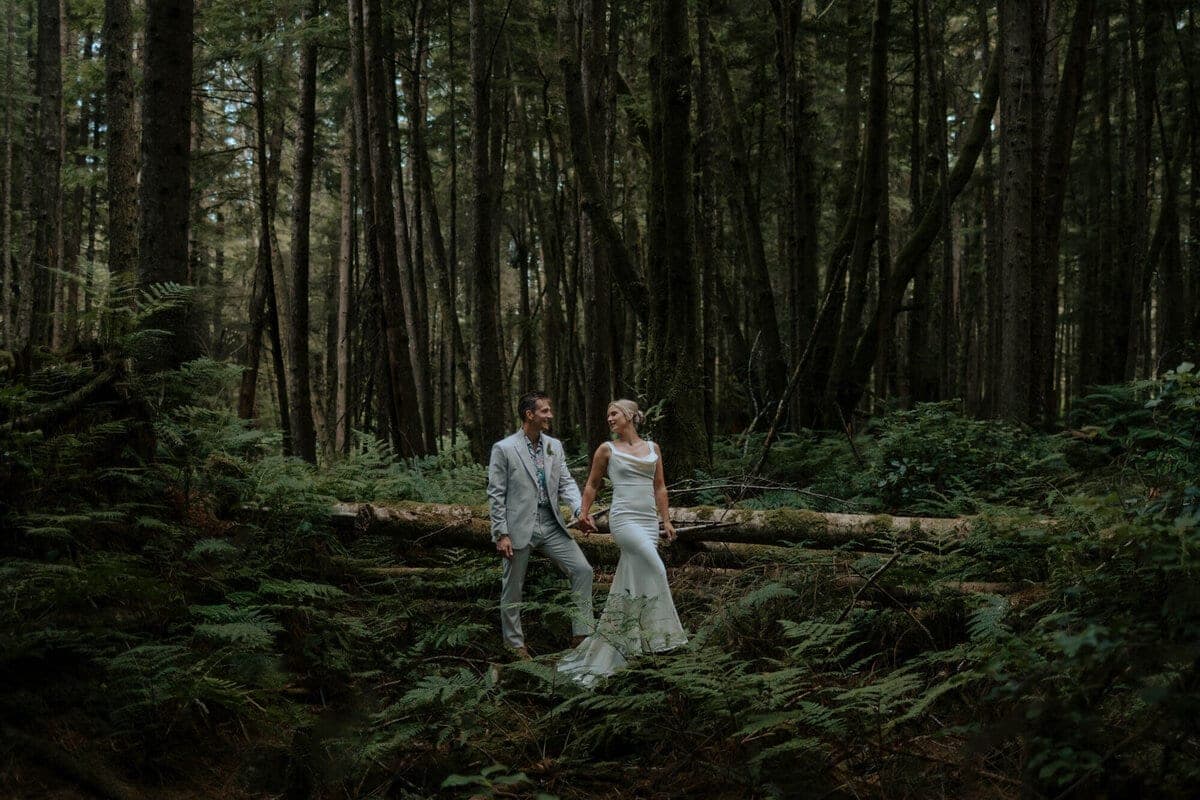
Mountains, second-growth forest and the Great Bear Rainforest beyond, with Quadra and Cormorant just offshore, and the vendors who work this far up the coast.
Guide updated
North Vancouver Island is where the road runs out and the coast gets serious. From the Comox Valley the highway runs north through Campbell River, then threads through mountains and clearcut and second-growth forest to Port McNeill, Telegraph Cove, and Port Hardy, with Quadra and Cormorant Islands just offshore and the Great Bear Rainforest beyond that. Humpbacks feed in Johnstone Strait through the summer. Whole inlets have no road to them at all.
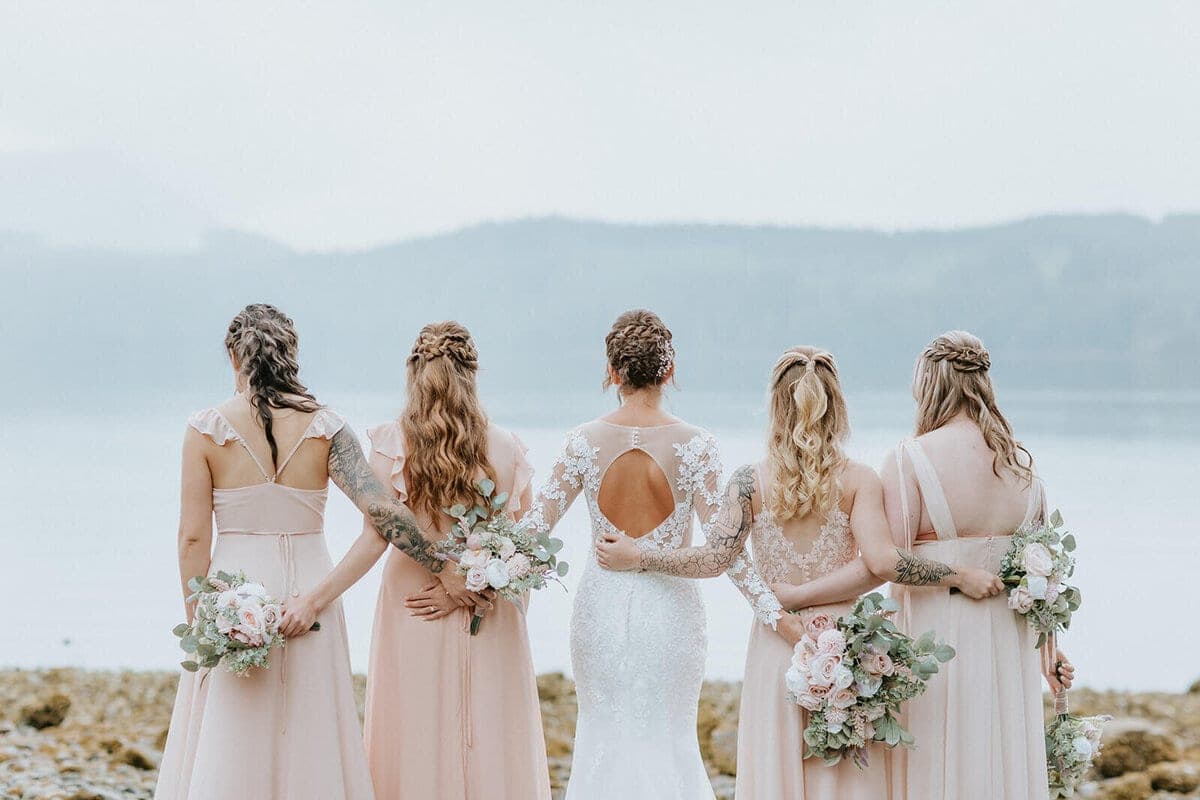
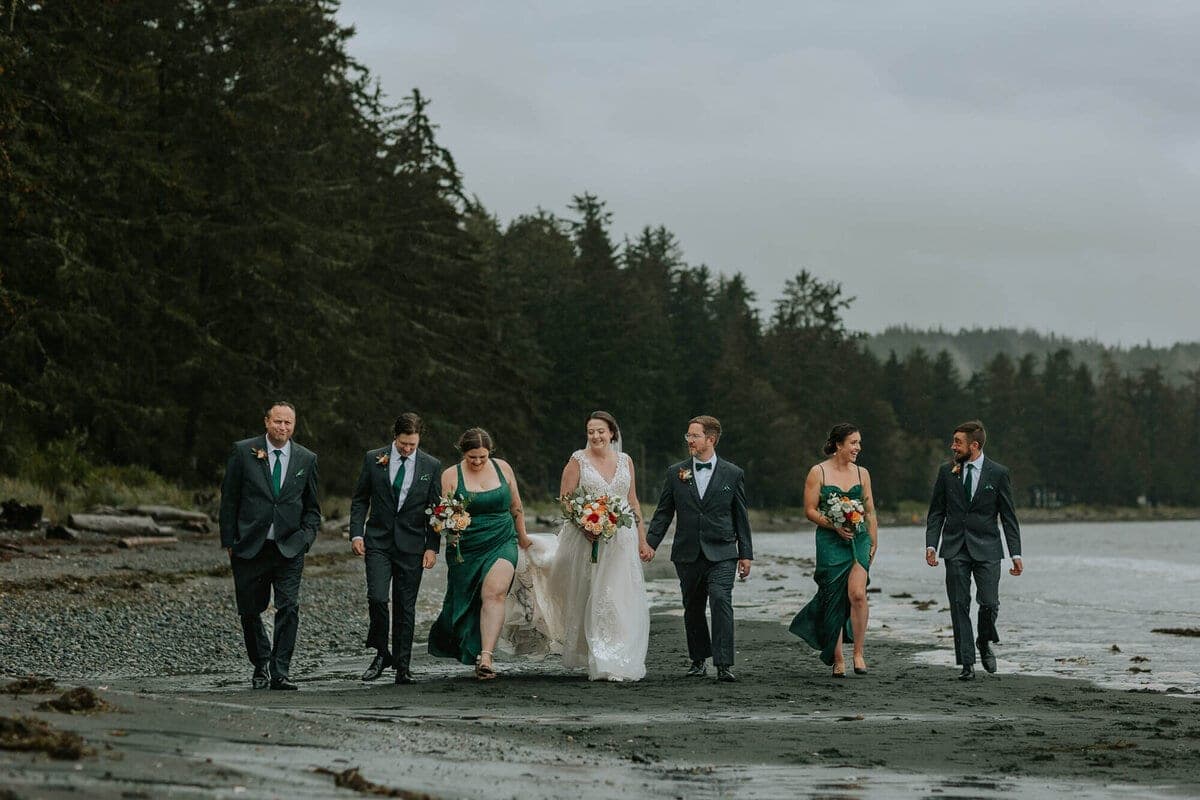
Weddings up here reward couples who want the landscape to do the heavy lifting: a ceremony on a dock, a reception in a lodge reachable only by boat or floatplane, guests who will talk about the journey for years. It asks more of everyone — travel time, accommodation, a real weather plan — and gives back a day that could not have happened anywhere else.
Practically, this is the region that most rewards early planning. Vendors often travel from Campbell River or further south, which means mileage, ferries, and a night's accommodation in the budget, and some venues are float-access only. Book eighteen months out for a summer date, and build a genuine weather contingency rather than an optimistic one.
A guide like this only works if it is honest, so every business here is one we have either worked alongside or gone looking for on purpose. Couples who hire close to home tend to get people who know the tides, the ferry schedule, and the light — and the money stays in the communities that make celebrating here worth the trip.
Who will photograph and film your wedding?
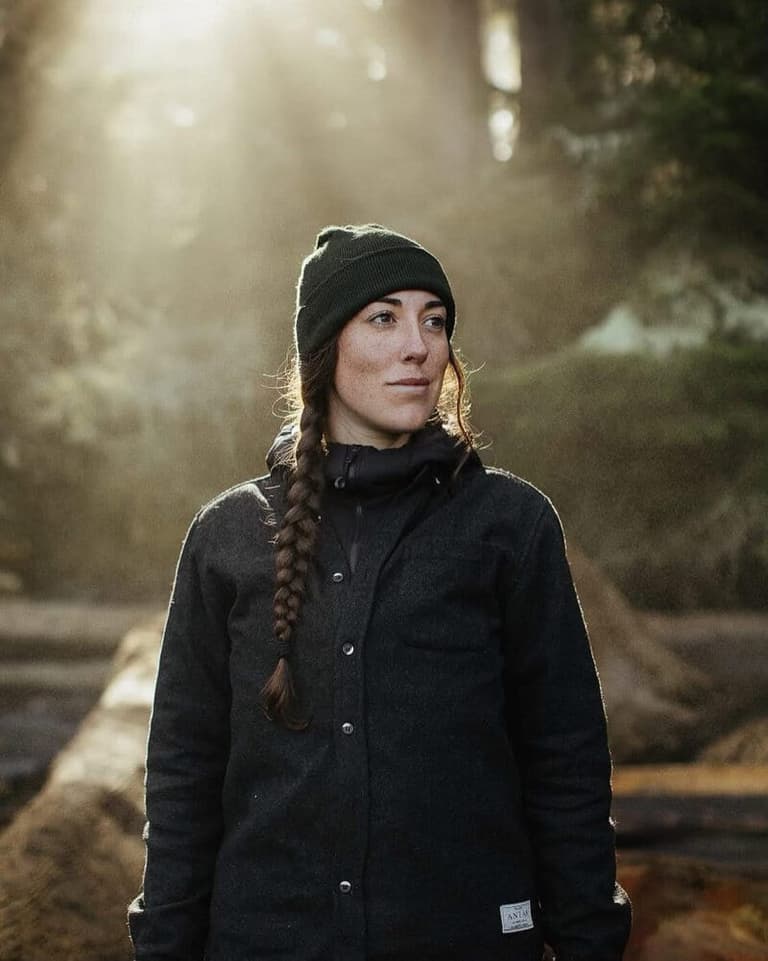
Kimberley Kufaas
Port Hardy & Mount Washington
Based on the northern reaches of Vancouver Island, Kimberley Kufaas is a wedding, portrait, and landscape photographer inspired by the raw beauty of the West Coast. Her work moves between sweeping natural backdrops and intimate human stories, capturing celebrations that feel grounded in place and emotion. Whether documenting an elopement by the ocean, a ceremony tucked within ancient forests, or the quiet details that tell the story of a day, Kimberley’s imagery reflects both her deep love for nature and her eye for authentic connection.
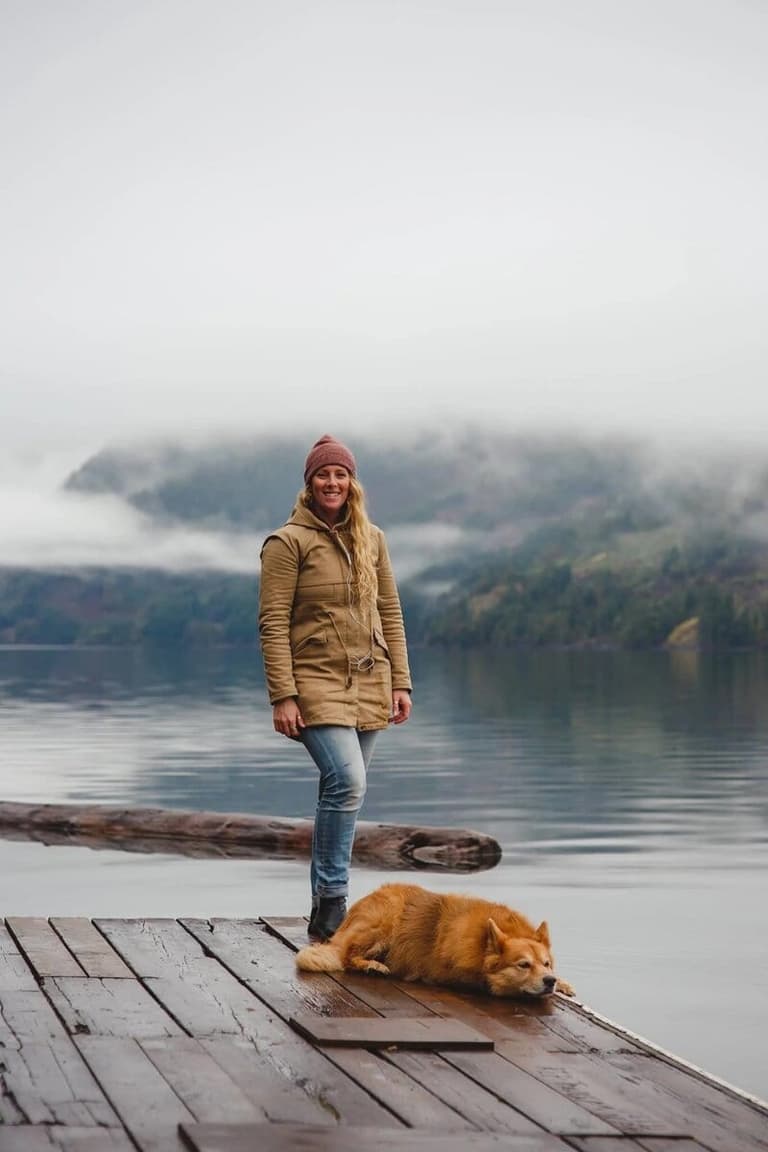
Meredith Rose Photography
Cumberland, British Columbia
Meredith Rose Photography is a Vancouver Island-based photographer located in Cumberland, BC, specializing in weddings, engagements, couples, and families. She brings a deeply personal aesthetic rooted in soft natural light, genuine connection, and the surrounding West Coast beauty, from forested trails to lakeside moments. With a background in shooting film and a heartfelt focus on emotion and authenticity, Meredith offers an experience that transforms milestones into treasure-filled visual stories.
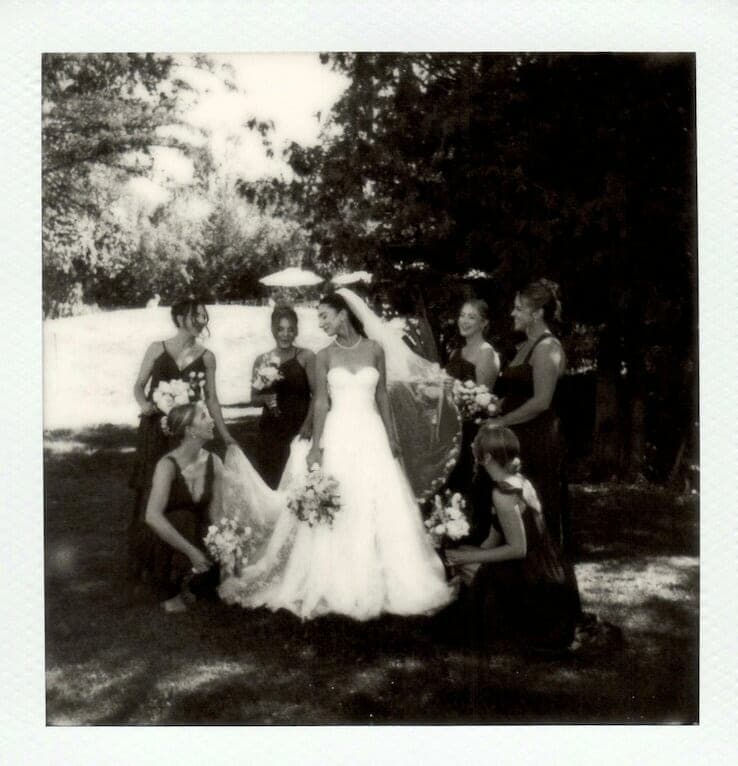
Selkirk Polaroid
Port Hardy
Selkirk Polaroid Photography is a Vancouver-Island–based film photographer offering nostalgic, slow-paced, Polaroid-driven storytelling for couples, families, and intimate celebrations. Kathleen, the artist behind the lens, captures in-between moments with instant film’s grain, light leaks, imperfections, and one-of-a-kind magic. Rooted in authenticity, her work reflects real laughter, soft light, and quiet gestures. Each Polaroid becomes a tangible keepsake made in real time, a physical reminder of how a moment felt.
Which venue suits your celebration?
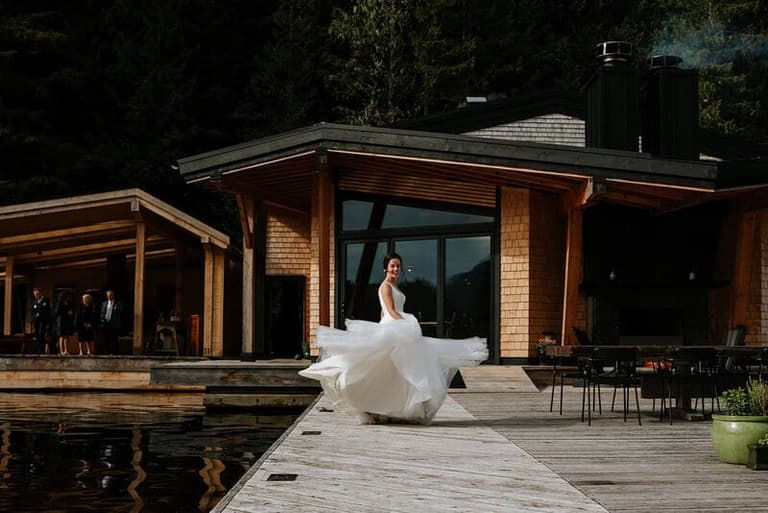
Nimmo Bay Resort
Great Bear Rainforest, BC (accessible by floatplane)
Nimmo Bay Resort is a remote luxury wilderness destination in British Columbia’s Great Bear Rainforest, offering couples the chance to celebrate their wedding surrounded by pristine nature, rainforest, ocean, mountains, and glacier views. The resort specializes in all-inclusive wedding and honeymoon packages that combine high-end accommodation, memorable dining, and immersive adventure experiences. With ceremony locations ranging from floating docks to secluded forest edges, Nimmo Bay is ideal for couples seeking an intimate, adventure-driven celebration in one of the West Coast’s most breathtaking settings.
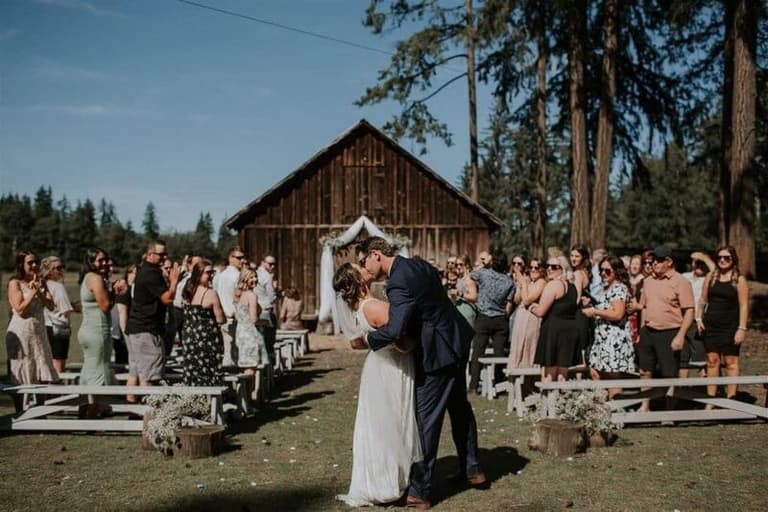
Holly Hill Farm
Campbell River
Holly Hill Farm is a picturesque working farm and beloved local venue in Campbell River, offering a warm, countryside setting for weddings and gatherings. The property features open meadows, charming rustic barns, and scenic views of the surrounding farmland, perfect for couples seeking a relaxed, nature-inspired celebration. With flexible event spaces and a welcoming atmosphere, Holly Hill captures the heart of rural Vancouver Island charm while staying close to town and the coast.
Taku Resort & Marina
Quadra Island
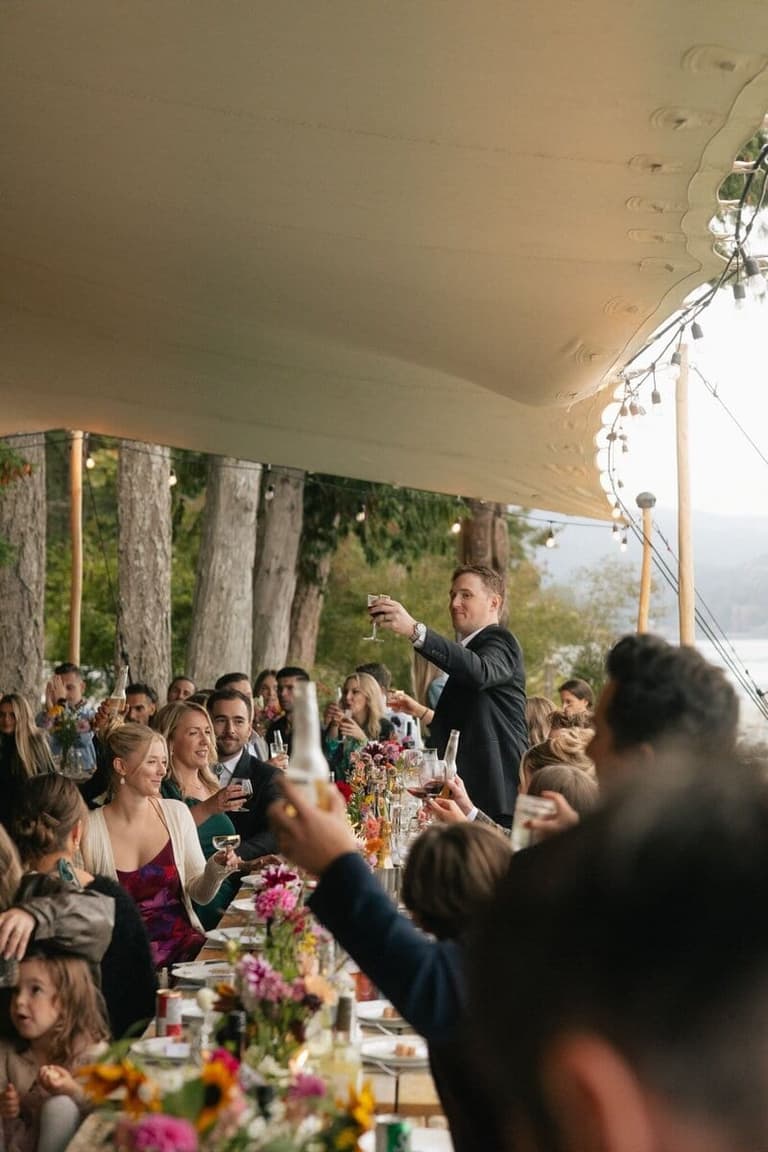
Nestled on the east coast of Quadra Island at Drew Harbour, Taku Resort & Marina offers couples a breathtaking seaside setting with views of Rebecca Spit and the Salish Sea, ideal for oceanfront weddings and elopements. With on-site accommodation ranging from beachfront A-frame cabins and terrace suites to RV/camping spots, guests can stay steps away from the ceremony. The resort combines island calm with thoughtful comfort, think forested pathways, tide-pool portraits, and a place where nature and gathering meet in harmony.
Gowlland Harbour Resort
Quadra Island
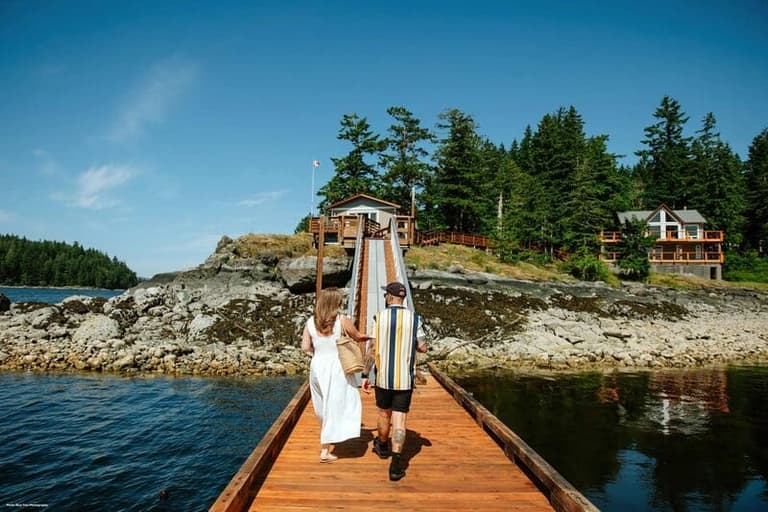
Nestled on the rugged waterfront of Quadra Island, Gowlland Harbour Resort offers couples a tranquil, nature-immersed venue for weddings, elopements and gatherings. With ocean-facing accommodations, lush forest surroundings and full-service event offerings, it blends rustic West Coast charm with elevated comfort. Whether you’re planning a sunset-ceremony by the water’s edge or a long-weekend celebration with the ones you love, this retreat invites you to slow down, soak in the island air and let the scenery do the talking.
Maritime Heritage Centre
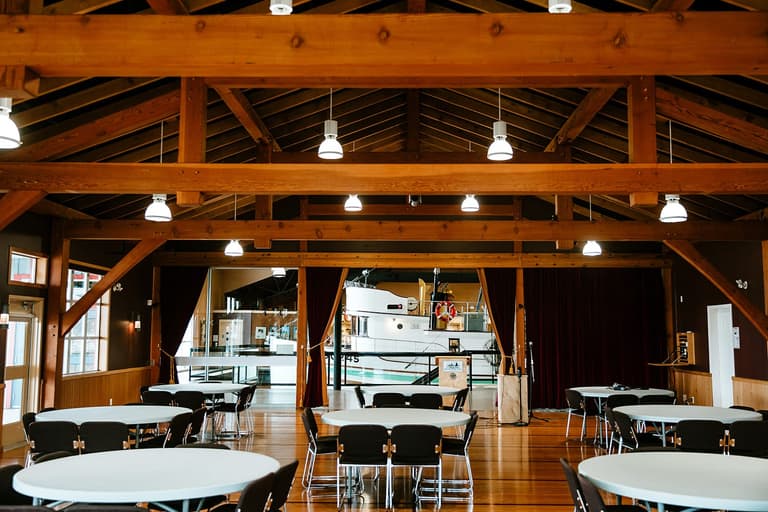
The Maritime Heritage Centre sits near the Discovery Pier in Campbell River, a community-run museum and event venue overlooking the water. Its rooms range from the timber-framed Rotary Hall, with wooden floors, an ocean view and outdoor balcony (seating up to 146), to the Mezzanine that looks down on the restored BCP45 seiner, the fishing boat once pictured on the Canadian five dollar bill. A fully equipped kitchen and ample parking round things out. Couples who want a wedding grounded in west coast maritime history will feel at home here.
Who will bring the flowers?
Hyde Creek Flower Farm
Port McNeil
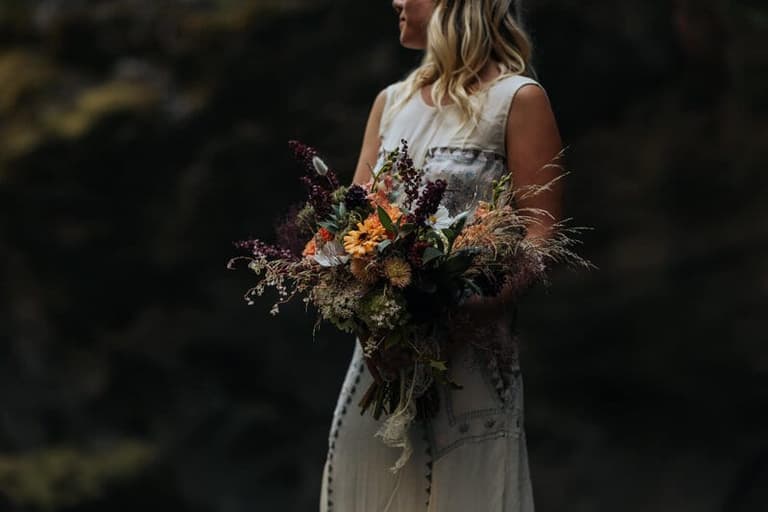
Hyde Creek Flower Farm is a family-run boutique flower farm offering wedding florals and event blooms grown on-site. With a focus on natural, “happy” blooms and custom designs, they serve weddings and events across Vancouver Island -including more remote and island settings. Ideal for couples wanting locally grown florals, seasonal texture and a personal, farm-to-table floral experience.
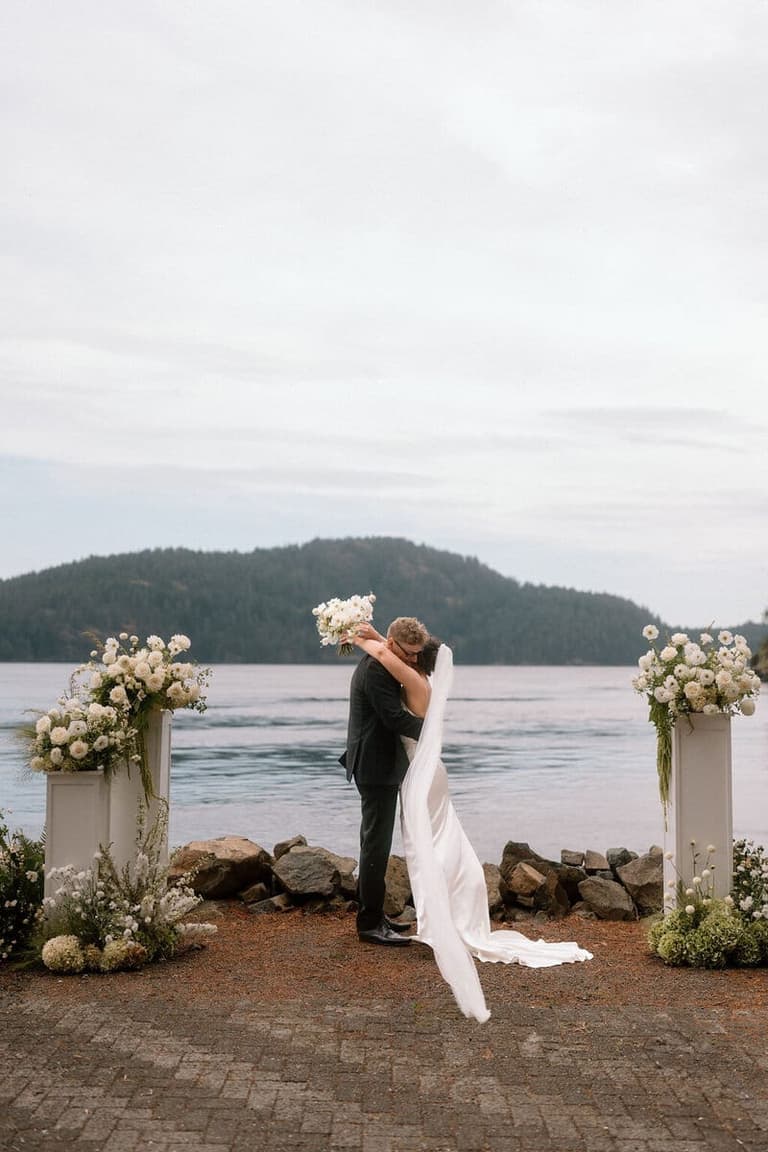
Crescendo Floral Studio
Campbell River
Crescendo Floral Studio is a Vancouver Island-based floral design company, rooted in Campbell River and serving the broader Island region. They specialize in wedding and event florals, crafting lush arrangements using mainly flowers grown locally in BC. With a design ethos described as “dynamic, romantic and local,” they champion sustainable practices, reusing structural elements, sourcing from Island flower farms, and scaling their designs around seasonality and place-based beauty.
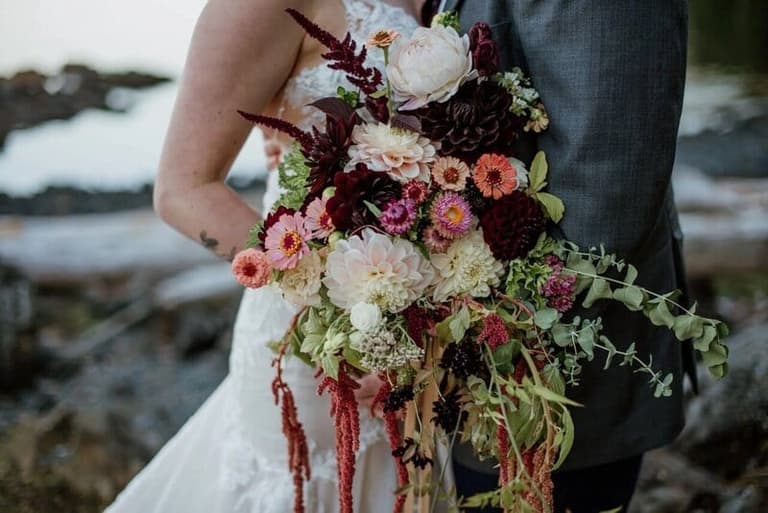
Wild Bee Florals
Comox Valley
Wild Bee Florals is a Comox Valley flower farm and floral design studio creating seasonal, colour-forward wedding flowers that feel wild, romantic, and garden-inspired. Their work is rooted in local, regenerative agriculture and a strong sense of place, offering everything from personal flowers to full wedding floral design, with a process that starts with an inquiry form and a consult before a custom proposal is built for your day.
Who will feed your guests and quench their thirst?
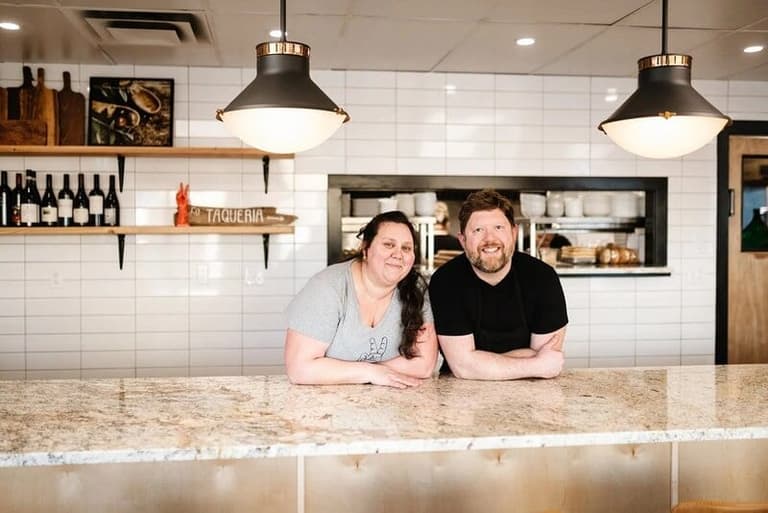
More Eatery
Campbell River
Rooted in Campbell River, More Eatery is a vibrant, family-friendly destination built around flavour, warmth and island hospitality. Owners Chef Joe Volk and Carmen Amberson lead the team in creating fresh, inventive dishes, from brunch favourites to full-event catering, with a relaxed, welcoming atmosphere. Beyond the restaurant, More Eatery offers full-service catering for weddings and celebrations, making it a strong local partner for couples planning with the Folklore Wedding Company who want thoughtful, quality food and service that feels both relaxed and refined.
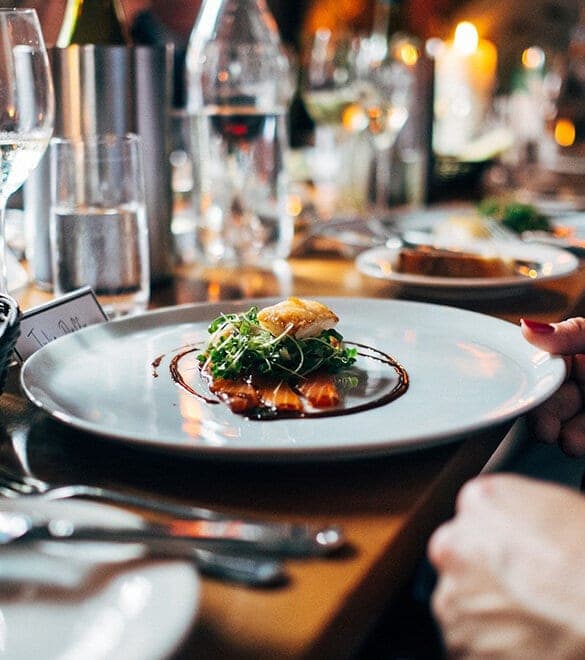
Rose’s Country Catering
Campbell River
Rose’s Country Catering is a family-owned, full-service off-site catering company that’s been an established Campbell River favourite for over 30 years. Owned and operated by Karen Rose, they create custom menus for weddings and events (buffets and sit-down service included), with a process that runs from the first call through to final cleanup. Their team is known for thoughtful service and strong local roots, with an emphasis on fresh, made-in-house food and well-organized event execution.
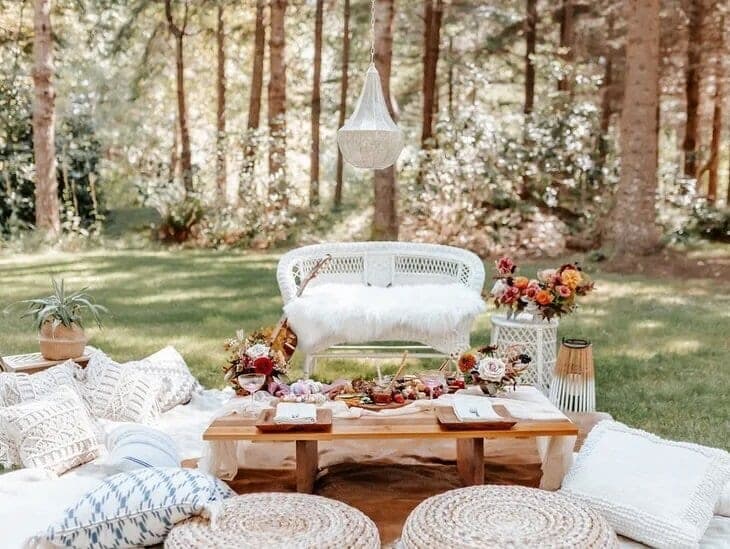
JAM & Co. Luxury Picnics & Events
Comox Valley
JAM & Co. Luxury Picnics is a Vancouver Island-based boutique event and catering studio, specialising in curated luxury picnic experiences and artisanal charcuterie setups. With thoughtfully styled low-table décor, plush pillows, vintage details, and gourmet grazing tables, they elevate moments like proposals, engagement photos, intimate weddings and celebration brunches into memorable dining narratives. Their charcuterie options highlight award-winning cheeses, locally sourced delicacies and long grazing tables for large events.
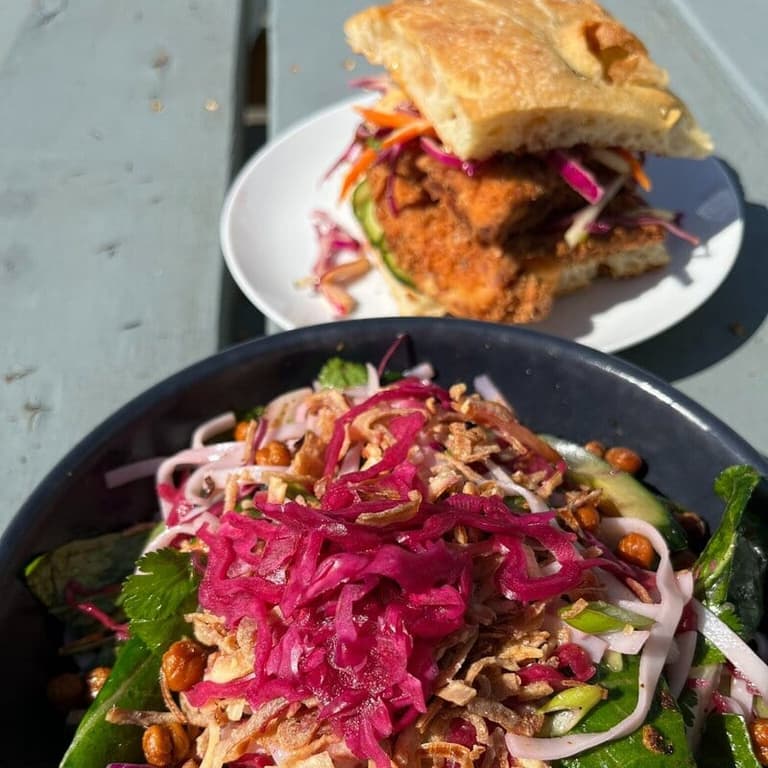
LUSH Valley Catering
Comox Valley
LUSH Valley Catering is a community-rooted catering team in the Comox Valley, serving sustainable, nourishing, locally-sourced meals where all revenues support LUSH Valley’s food-access and education programs. They offer pick-up and drop-off catering (with vegan and gluten-free options always available) for weddings, parties, community events, and corporate gatherings. You can also host on-site in their private “LUSH Valley Upstairs” space with in-house table service and seasonal menus sourced from Comox Valley farms, plus commercial kitchen rentals for weekday evenings and weekends.
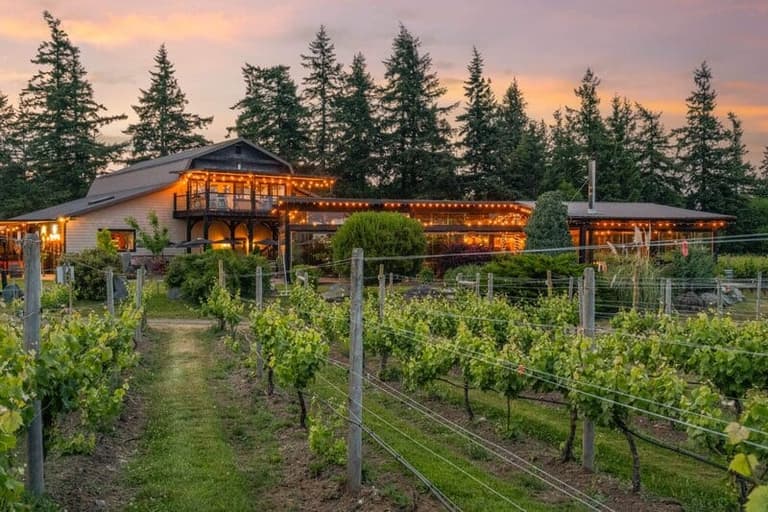
40 Knots Winery
Comox Valley
40 Knots Vineyard & Estate Winery is a stunning vineyard estate in Comox, British Columbia, offering versatile event spaces for private celebrations, including weddings, receptions, and milestone gatherings. With features such as a glass-walled Vineyard Terrace overlooking the vine-covered hillside, the Stall Speed Lounge with elevated views, and lush lawn grounds just steps from the vines, the venue accommodates both intimate and larger gatherings in a picturesque West Coast setting.
Who will plan the day, and who will marry you?
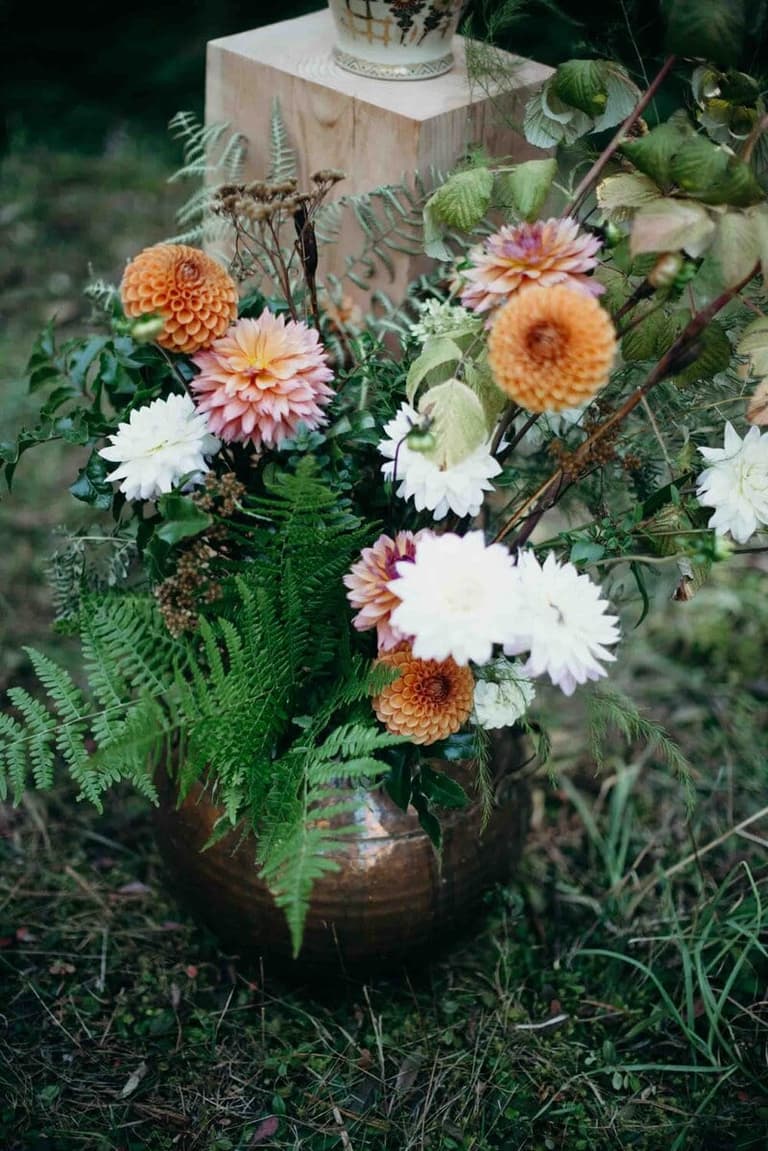
Folklore Wedding Company.
Salt Spring Island
Folklore Wedding Company curates intimate Vancouver Island elopements and micro weddings that feel deeply connected to place, bringing together their planning team, regional photographers, and trusted local vendors for a smooth, well-supported experience. Planning support includes location scouting, permits, ferry and travel guidance, coordination with flowers and officiants, timelines, and the details that make the day feel effortless. They also help shape the experiences around your celebration, think cultural tours, hot springs visits, spa days, nature walks, and coastal adventures, so your time on the Islands feels like a full wedding journey.
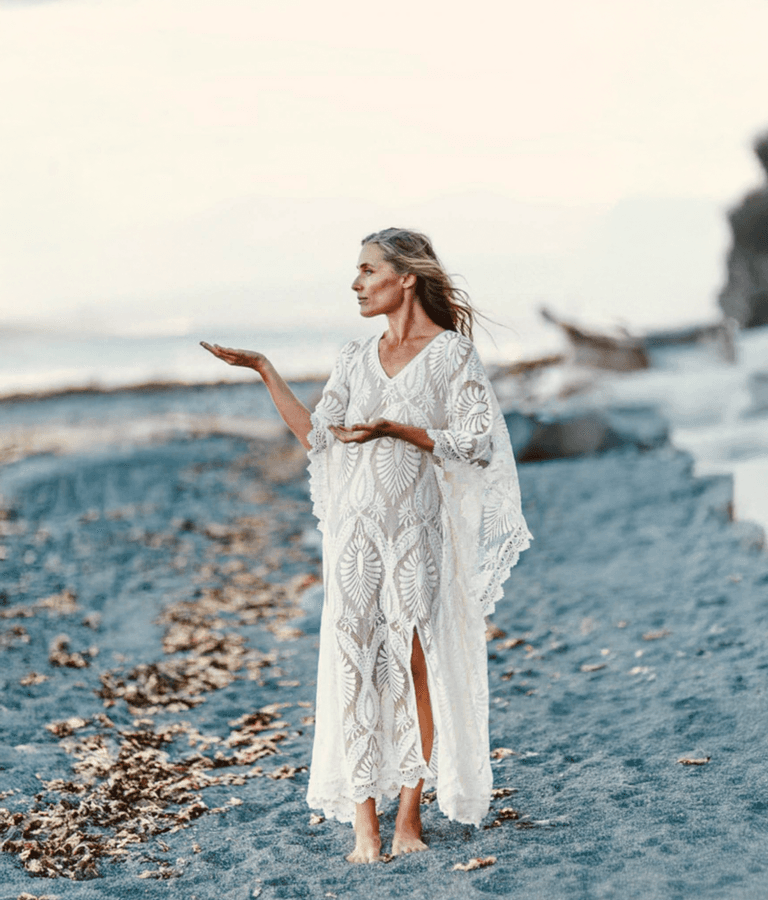
Alli Mary
Comox Valley
Alli Mary is a hypnotherapist and ceremonialist based in the Comox Valley, weaving together nature-based ritual, healing arts, and a deeply soulful approach to create ceremonies that feel genuinely alive and personal. Her custom ceremonies are co-created with couples, drawing on your story, your intentions, and the rhythms of the natural world to craft something that feels more like a sacred gathering than a scripted event. For couples who want their ceremony to carry real meaning, depth, and a sense of the sacred, Alli offers an experience that goes well beyond the conventional.
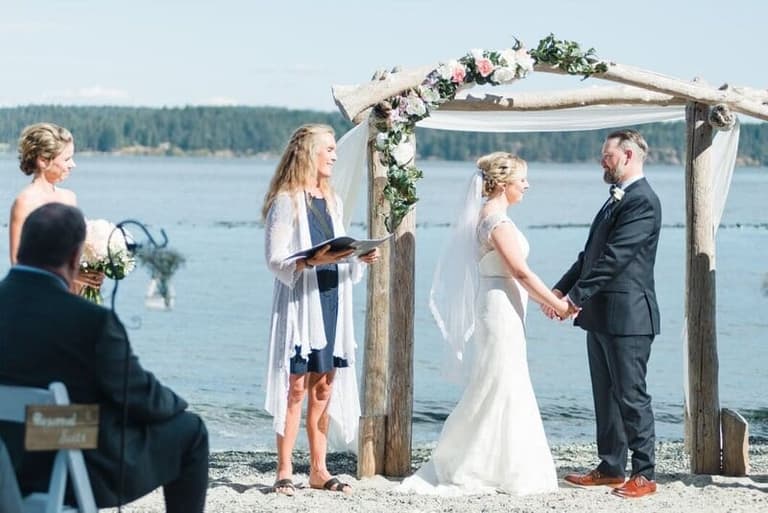
Life-Cycle Ceremonies
Comox Valley
Jennifer Lee brings a beautifully personal touch to life’s milestones, whether it’s a wedding, renewal, naming ceremony or memorial. With a background in poetry, performance and mindfulness, she collaborates with clients to co-create rituals, readings and ceremonies that deeply reflect your story and values. Her warm and inclusive approach makes her a meaningful choice for couples planning North Vancouver Island weddings, offering ceremonies rooted in intention, connection and heartfelt expression.
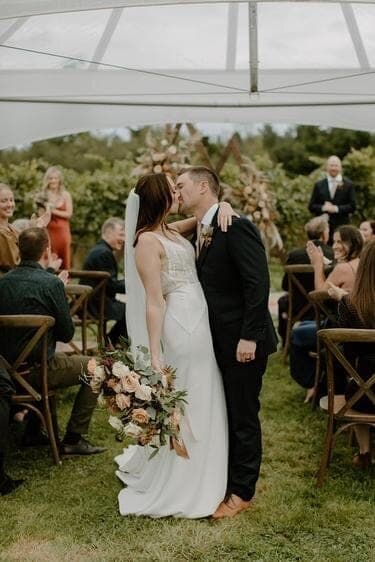
Lavish Engagements
Comox Valley
Lavish Engagements is a wedding and event planning company based in the South Okanagan and Vancouver Island, offering a personalized approach for couples planning celebrations on the coast and beyond. They’re listed in Comox, and are known for supporting destination wedding planning in the Comox Valley and across Vancouver Island, helping bring a couple’s style and vision into a smooth, well-run day.
Where will the rings and finishing touches come from?
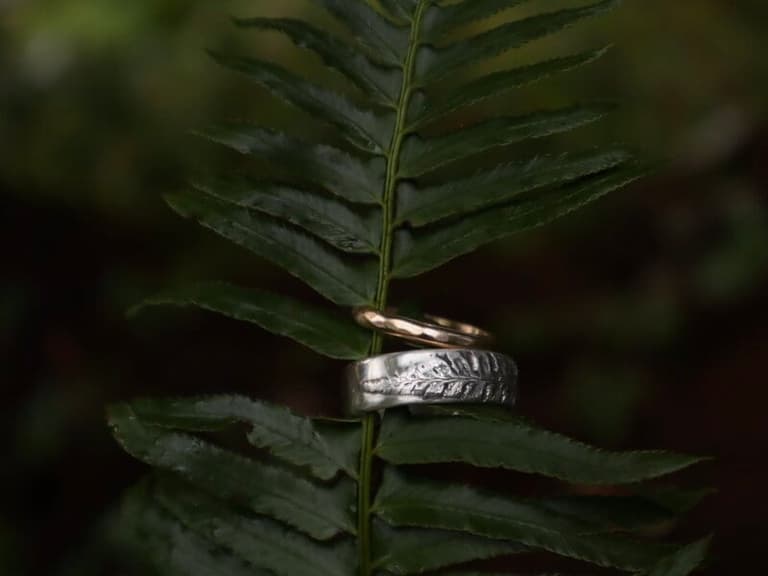
Backcountry Jeweler
Port McNeill
Hand-forged jewelry rooted in the rugged beauty of Northern Vancouver Island , offering wedding bands and bespoke pieces that reflect forest, sea, and mountain. Each creation is shaped by artist-metalsmith Michelle Varkonja in her home studio in Port McNeill, making every piece as unique and place-driven as the love stories they honour.
Where will the tables, linens and decor come from?
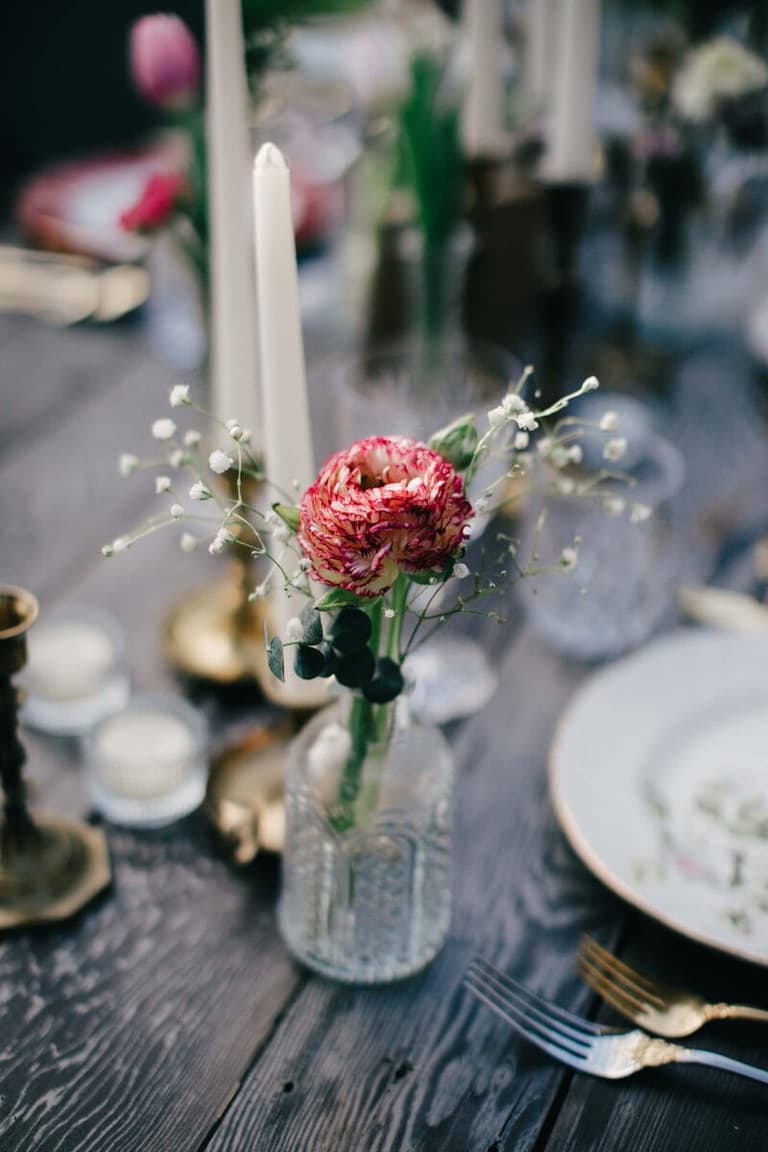
Old New Borrowed Blue Decor
Comox Valley
Old New Borrowed Blue is a vintage and antique wedding rental company based in the Comox Valley, offering a thoughtfully collected inventory that spans rustic farm tables, eclectic chairs, antique sofas, vintage china, mismatched crystal glassware, candelabras, chandeliers, barrels, mirrors, signage, and much more. Couples are encouraged to book an in-person visit to explore the full collection, as what's shown online is only a small glimpse of what's available.
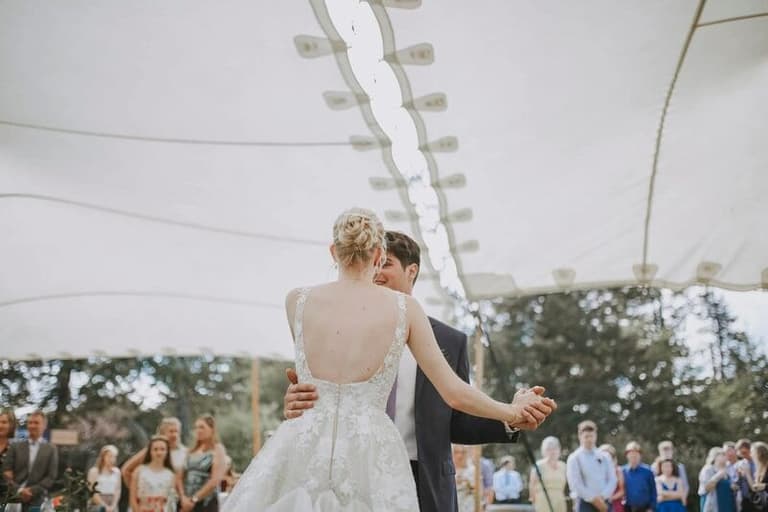
Shady Spaces
Cumberland
Shady Spaces offers stylish stretch tent and canopy rentals for weddings, festivals, and outdoor celebrations across Vancouver Island. Their modern, sculptural tents provide elegant shade and weather protection while enhancing the look of any event. Designed to complement natural landscapes and coastal settings, Shady Spaces delivers both form and function for West Coast weddings that embrace the outdoors.
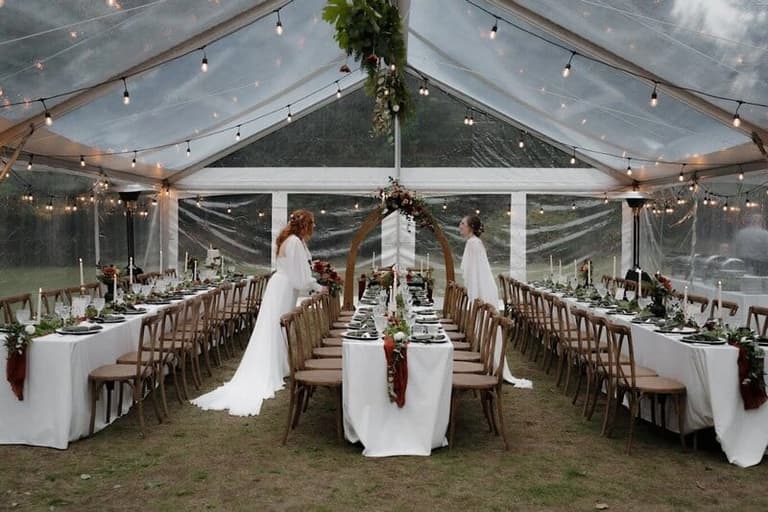
Black & White Event Rentals
Parksville
Black & White Event Rentals provides full-service event and wedding rentals throughout the Comox Valley and North Vancouver Island. Their extensive inventory includes elegant tents, tables, linens, lighting, and décor, perfect for coastal weddings and island celebrations. Known for reliability and polished presentation, Black & White helps couples transform any venue into a beautiful, functional event space that fits their vision.
Where will your guests stay?
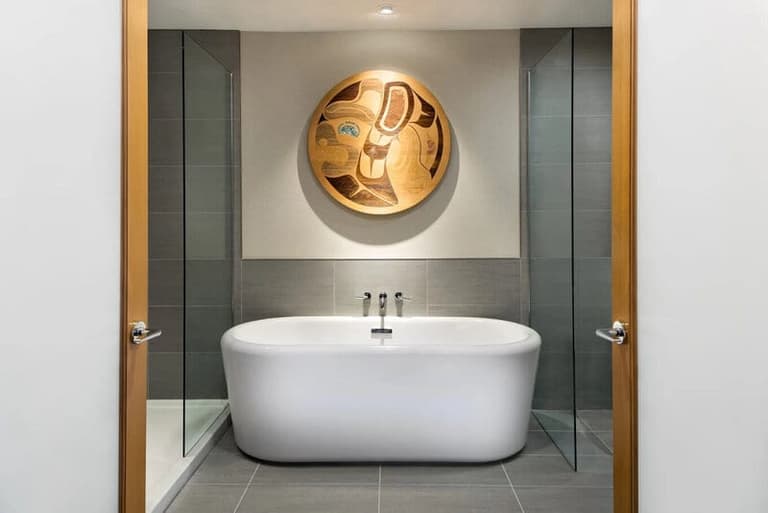
Kwa’lilas Hotel
Port Hardy
Kwa’lilas Hotel is an Indigenous-owned four-star destination in Port Hardy on northern Vancouver Island, offering a culturally rich and modern stay. A strong choice for North Vancouver Island weddings, the property features stylish guest rooms, an Indigenous art collection curated by local Elders, versatile event and conference spaces, and on-site dining rooted in West Coast and Indigenous flavours. Guests experience both the natural beauty of Vancouver Island North and the refined comforts of contemporary lodging.
What else is worth doing while you are here?
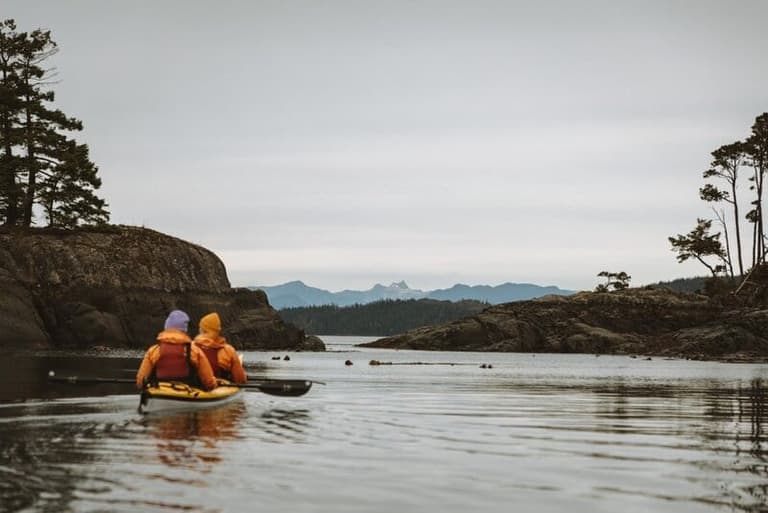
Kingfisher Wilderness Adventures
Port McNeill
Kingfisher Wilderness Adventures has been running fully-outfitted guided sea-kayak tours in British Columbia since 1999. Their small-group expeditions span from four to fifteen days and cover the wild coastlines of Vancouver Island, Haida Gwaii and the Great Bear Rainforest. kingfisher.ca
Who will get you ready, and where can you unwind?
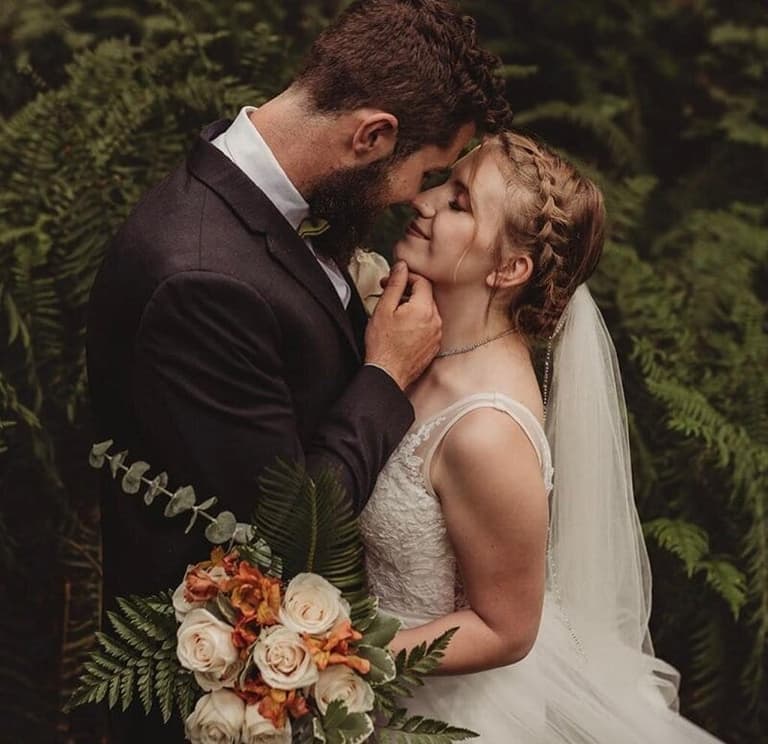
Rachel Jannati Artistry
Comox Valley
Rachel Jannati Artistry is a Comox Valley–based bridal hair and makeup studio led by Rachel Jannati, who blends her Cosmetology certification with a deep respect for Indigenous plant-based skincare traditions to create a luminous, natural bridal look. Located in Courtenay, BC, the studio serves the full Island region with mobile services for weddings, offering styling for the bride, attendants, and special occasion guests. Her work emphasises enhancing natural beauty, weaving together soft, clean makeup applications and romantic, textured hairstyles.
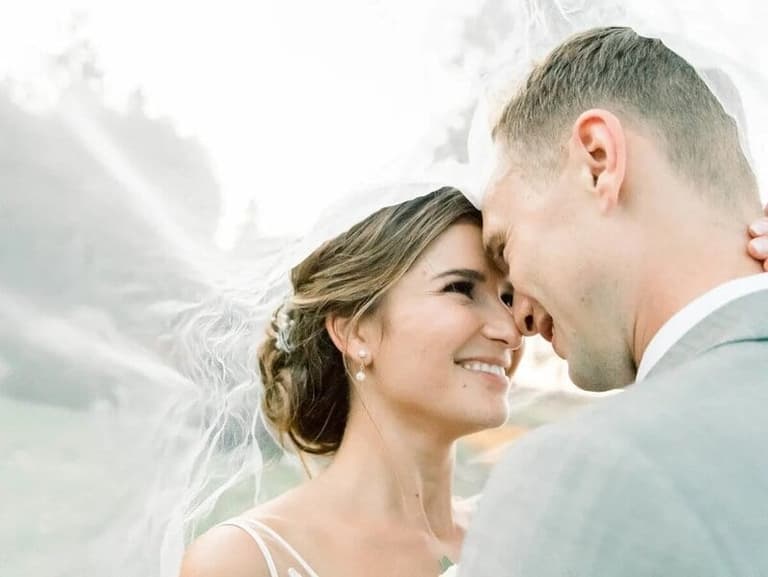
Unbridled Beauty
Comox Valley
Unbridled Beauty is a Vancouver Island wedding hair and makeup team based in Courtenay, known for timeless bridal looks and a calm, supportive presence on wedding mornings. Their team offers wedding-day hair and makeup (together or separately), with a personalized process that includes consultations and trials so everything feels dialed in well before the day. Founded by Jacklyn Van Bourgondien, Unbridled’s style leans into natural glam makeup and effortlessly chic bridal updos, with mobile services across Vancouver Island and the surrounding Gulf Islands.
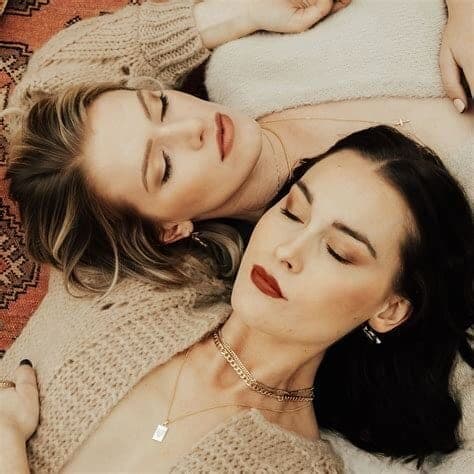
Shelby Lynn Makeup Artistry
Comox Valley
Shelby Lynn Makeup Artistry is a Vancouver Island-based makeup artist in Comox offering bridal makeup, wedding party makeup, and special-occasion looks with a personalized approach, ranging from natural makeup to old Hollywood and more dramatic styles. Shelby also offers consultations and makeup for events like grads and photo shoots, with services designed to help clients feel confident and camera-ready.

Chloe Lorraine Makeup Artistry
Comox Valley
Chloe Lorraine Makeup Artistry is a Courtenay-based luxury bridal and event makeup studio on Vancouver Island, known for elevated soft glam and polished, long-wear makeup using luxury products. Chloe offers bridal makeup, event makeup, boudoir makeup, and 1:1 makeup lessons, with availability for destination weddings as well.
Frequently Asked Questions
What areas on North Vancouver Island should we consider for a wedding, and how do we choose the right one? +
The region offers diverse settings, from forest clearings and beachfront sites to orchards, farm estates and more remote wilderness locations. When choosing the right region: Think about guest access and travel logistics (ferry, roads, parking) Consider your aesthetic, coastal beach vs forest canopy vs rustic farm Check venue infrastructure (guest accommodations, vendor access, facilities), especially for more remote spots Match the region to your vision for guest experience: do you want adventure and nature, or ease and luxury
What time of year works best for a wedding here and what seasonal factors should we plan for? +
Travel and access: if your venue requires a ferry or remote road, ensure guest and vendor arrival times align, car rentals or shuttles are booked, and parking is handled Vendor travel and fees: remote venues may mean extra travel or accommodation costs for vendors Accommodation and guest lodging: many venues outside larger centres require you to block rooms and guide guests to local lodging Terrain and site conditions: beach sand, forest paths, moss-covered ground and uneven terrain all affect footwear, setup and mobility for guests Backup plan for weather and light: dense forests and coastal locations can mean early light loss or unexpected weather.
What legal and permit requirements should couples know when marrying on North Vancouver Island? +
You’ll need to follow British Columbia’s statutes for marriage and ensure the site is appropriately authorized if public land or a park. You must apply for a marriage licence (valid for 90 days), use a legally appointed officiant in BC and have two witnesses. If your ceremony is in public space such as a beach or provincial park, check for permit requirements or land-use rules. If you are from out of province or country, ensure your marriage will be recognized in your home jurisdiction and that travel/entry logistics are squared away.
What size wedding works well in this region and how do we decide between an elopement, a micro-wedding or a larger celebration? +
A. This region supports everything from very intimate elopements (2-20 guests) to moderate-sized weddings (50-150+) and beyond. When deciding: Evaluate guest travel and logistics: fewer guests often simplify access and coordination Match your venue and vision: if you’re choosing a dramatic beach or forest clearing, you might opt for smaller scale to maximize the experience Consider budget: smaller guest counts allow more flexibility or more investment per guest Consider guest comfort: remote sites may lack large infrastructure (parking, restrooms, accommodations) so larger guest counts require extra planning
What budget and vendor considerations are specific to North Vancouver Island weddings? +
Budgeting here needs to include a few region-specific items: Travel fees for vendors (mileage, ferry, accommodation) if they’re coming from the mainland or remote region Guest transport and accommodation costs: when many guests are travelling you may need to coordinate lodging, ferry or car rentals, possibly shuttles Venue access and infrastructure: remote or forest/beach venues may require more rentals (chairs, lighting, infrastructure) because of fewer built-in provisions Off-peak vs peak pricing: choosing shoulder seasons may reduce costs but you may trade away daylight, weather predictability or certain vendor availability Local sourcing: using local vendors supports the region’s economy, often reduces travel overhead and taps local knowledge Local sourcing: using local vendors supports the region’s economy, often reduces travel overhead and taps local knowledge
What are smart planning tips and pitfalls to avoid for weddings on North Vancouver Island? +
Smart tips: Build in extra time for vendor arrival, set-up and guest travel, especially for remote venues Create a weather contingency plan (indoor or covered area, alternate ceremony spot) Recommend guests and vendors pack accordingly (layers, shoes for varied terrain, rain gear) Provide guests with detailed logistics (how to get to the venue, parking/ferry info, accommodation suggestions, what to bring) Visit the venue in person if you can, or request a detailed walkthrough or photos if you’re planning remotely Common pitfalls: Under-estimating travel or terrain challenges (ferrying guests/vendors, rough roads, uneven ground) Assuming summer equals perfect weather or full light: forest sites and coastal zones can lose light early or have cloudy conditions Not coordinating guest accommodation or nearby transport, guests may struggle if left to figure it out Overlooking vendor travel/planning fees or incidental costs (remote setup might require additional rental gear) Not fully communicating guest instructions (what to bring, terrain, arrival times, route) which can cause stress on the day
The Vendor Collective
Work in weddings here?
If you're a North Vancouver Island wedding vendor, or you know one who belongs on this list, we'd love to hear from you. The Vendor Collective grows by word of mouth.
Already listed with us? — choose your category, find your listing, and send us your changes. Nothing on this page changes until we’ve approved them.