Meet Kimberley Kufaas: One of Vancouver Island's Indigenous Photographers
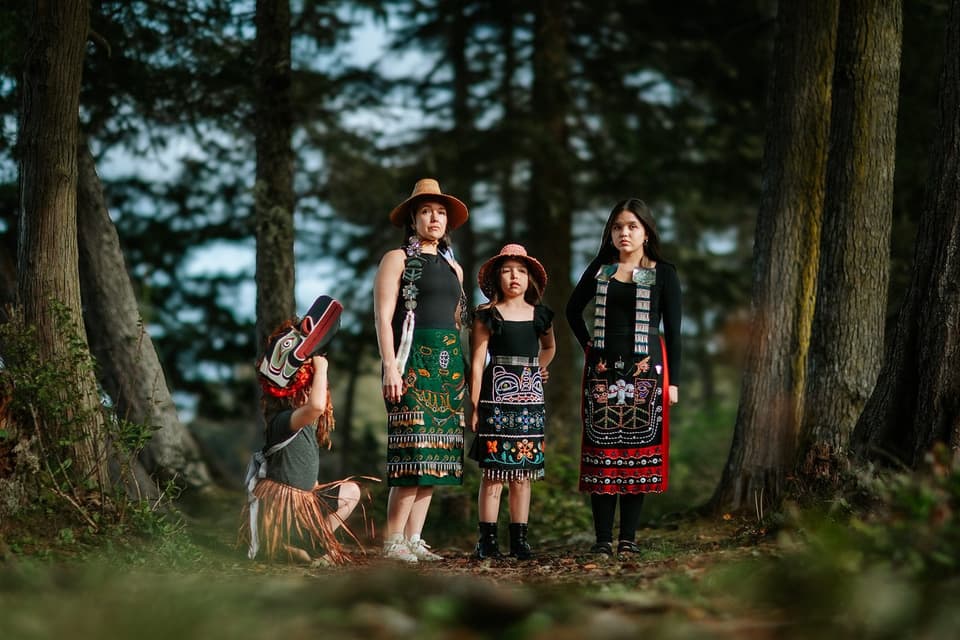
Folklore Wedding Company welcomes North Vancouver Island photographer Kimberley Kufaas to the team, exploring how her Kwakwaka'wakw heritage, upbringing on the North Island, and reconnection with language and culture shape her grounded, story-rooted wedding photography.
Kimberley Kufaas is one of the Vancouver Island Indigenous photographers redefining wedding photography on the coast: Kwakwaka’wakw, raised in Port Hardy, and now photographing weddings across the North Island with Folklore Wedding Company. Her work joins firelight ceremony, storm-swept beaches, and a storyteller’s patience.
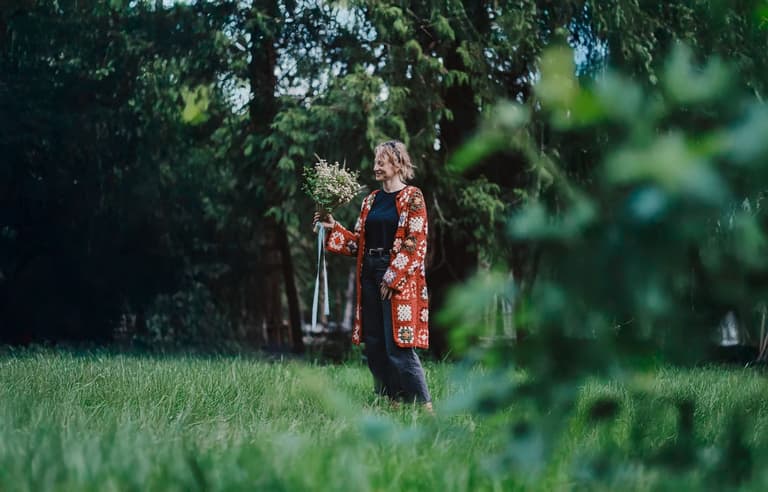
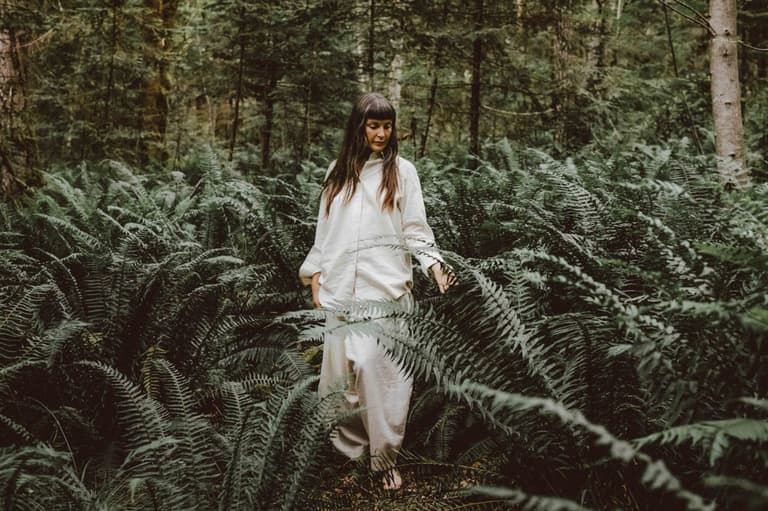
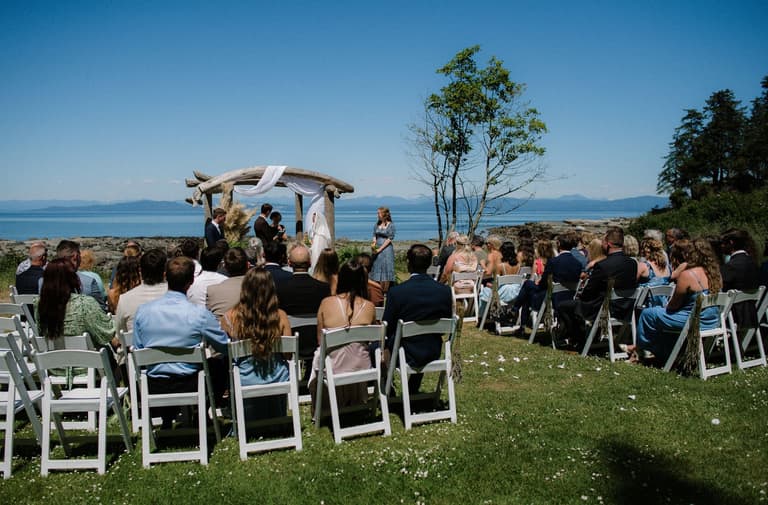
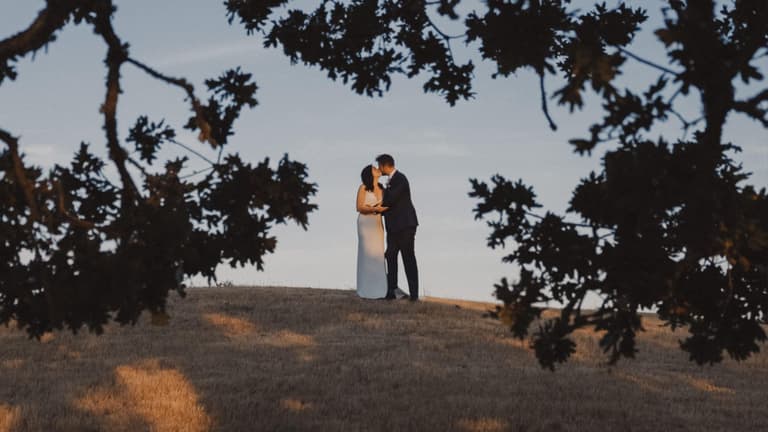
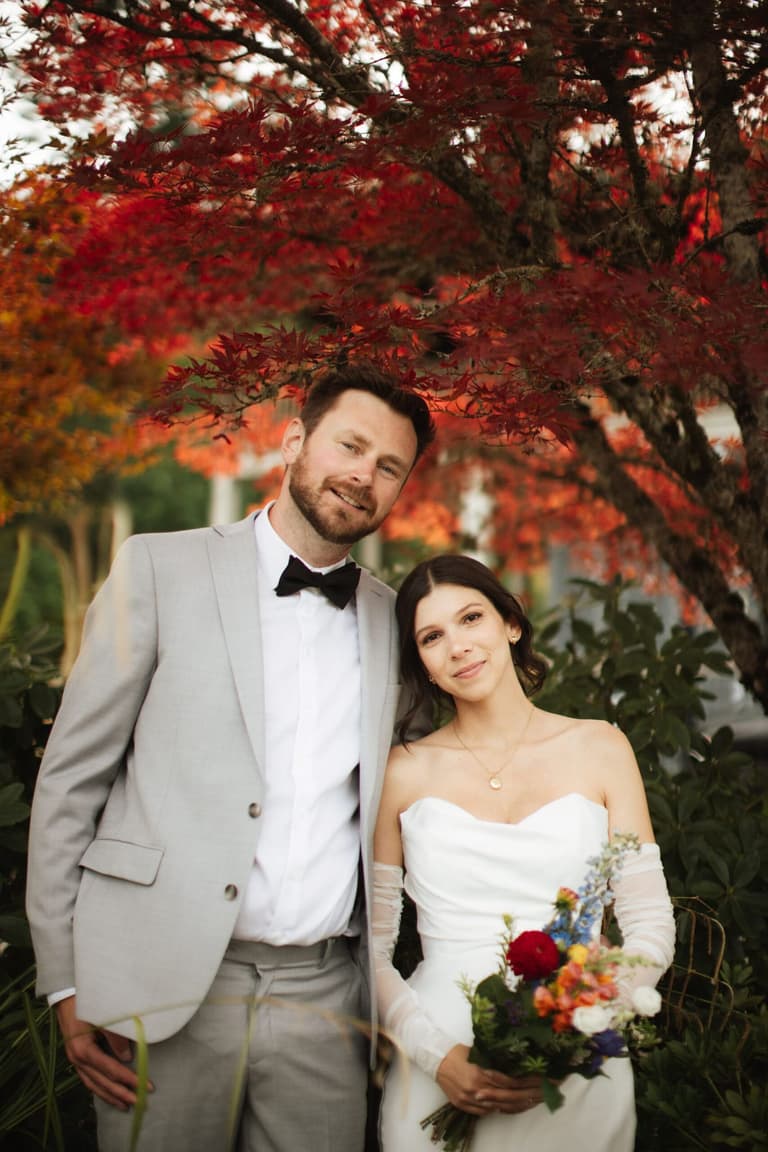
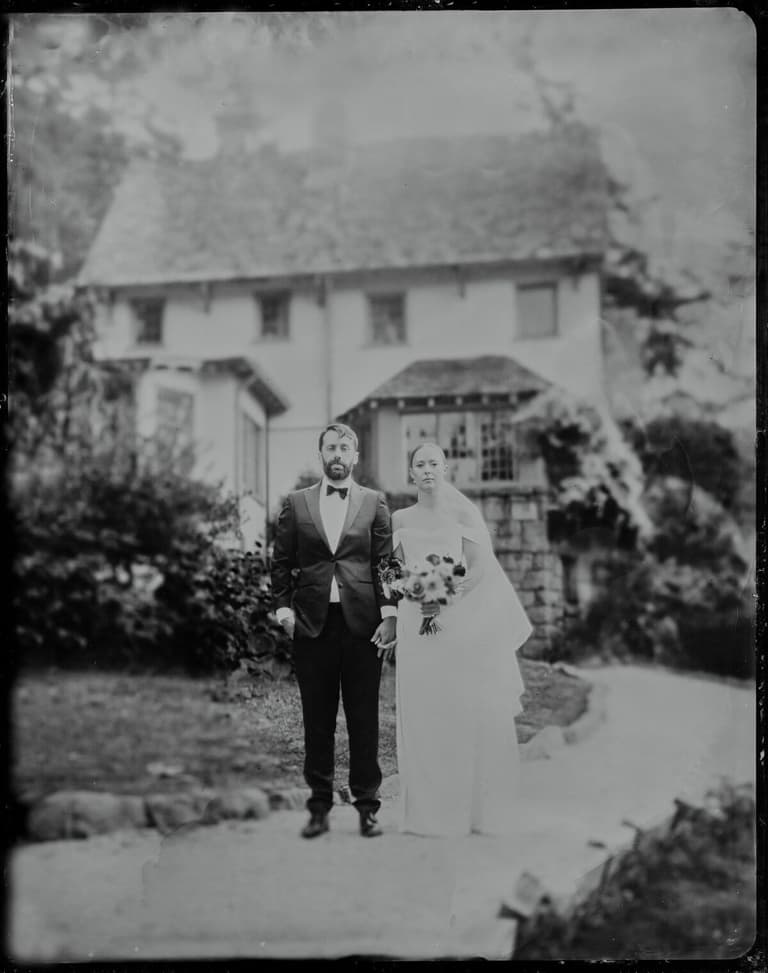
I have known the work of Kimberley Kufaas for a long time: bighouse ceremonies lit by firelight, quiet moments unfolding along misty beaches, coastal storms rolling in behind newly married couples, and portraits that feel shaped directly by the land itself. Her romantic wedding imagery across rugged landscapes, especially her work as a North Vancouver Island Wedding Photographer, carries a sense of realism and atmosphere that is unmistakably hers. Couples appear rooted in place whether she photographs them on windswept cliffs, tide-worn beaches, remote forest hikes, or within the thick fog that often settles over the North Island.
Who Is Kimberley Kufaas?
We are incredibly excited to have Kimberley Kufaas join Folklore Wedding Company as one of our team photographers. Her presence strengthens the collaborative spirit at the heart of our collective, bringing a grounded, culturally rooted, and deeply artistic storytelling approach to the team. Her profile within Folklore reflects not only her skill but the perspective she brings as someone shaped by land, lineage, and community.
To truly understand her work, it helps to know where she comes from. Born and raised on the northern tip of Vancouver Island, Kimberley’s lineage spans Kwakiutl territory in T’sakis (Fort Rupert) and ’Nāmḡis territory in ’Yālis (Alert Bay – Cormorant Island) through her mother, and Norwegian and Métis ancestry through her father. Her upbringing, surrounded by family, community gatherings, coastal weather patterns, and cultural life, forms the foundation beneath everything she creates. Among Vancouver Island indigenous photographers, this rootedness is what sets her apart: it appears in the way she sees light, the way she understands ceremony, and the way she moves with couples, always attuned to place and meaning.
Growing up here, you just learn to embrace the rain.
This is what makes her wedding work so distinctive.
Kimberley Kufaas does not arrive at a wedding simply to take photographs. Instead, she brings lived experience of land, community, and the responsibility of witnessing with care. Her images reflect the landscape she grew up within, the cultural values she carries, and the understanding that storytelling can hold meaning not only for the present moment but for generations. The storms, the forests, the families, the big houses, and the quiet pauses all shape her creative vision. She approaches weddings patiently, respectfully, and with a deep sensitivity to what matters most.
As we spoke for this piece, it became clear that Kimberley does not photograph from the outside looking in. She photographs from within, guided by relationship, responsibility, and belonging. What follows is a weaving together of our voices, her insights, and the work she brings to Folklore Wedding Company as one of the most grounded and culturally connected Vancouver Island indigenous photographers working today. You can learn more about her on her Kimberley Kufaas profile, or read about the wider About our collective.
Growing Up on North Vancouver Island: Coastlines, Rain, and an Early Education in Light
When Kimberley describes her childhood on the North Island, she speaks with clarity rather than romanticism. In fact, she explains how she learned to see by watching weather roll in from a distance over the water, and in doing so, she absorbed atmosphere long before she ever picked up a camera. Growing up in Port Hardy, she noticed the subtle shifts in light, the texture of heavy clouds, and the way the coast feels different hour by hour.
Folks often assume she grew up hiking mountains or chasing rugged adventure, yet she quickly corrects that story. “I was not the classic outdoorsy, hiking kid,” she told me, laughing. “Being deeply invested in soccer, dance, and artistic activities. I was not the outdoor stereotype people imagine.”
“Growing up here, you just learn to embrace the rain,” she shared. “You do not get a choice. We’re built a little different up here. I spent endless hours beachcombing or wandering the shoreline, searching for the less accessed areas. I loved watching storms roll in and taking drives with my dad to see the waves crashing on the (Thomas) point. Those moments shaped how I see the world now. We don’t melt. We just get a little rusty.”
Returning Home
Only after returning home from her first year of college did she realize how deeply the place had shaped her. “That is when everything shifted,” she said. “I realized how special this place is. I started exploring more and felt connected to the land in a new way.”
Learning our language with her grounded me.
The Land as a Participant, Not a Backdrop
That relationship with environment flows directly into her wedding photography. Kimberley treats the land not as a backdrop but as a participant. “When I photograph couples, I think of the image like an art piece,” she explained. “The landscape sets the tone. The people become part of it. The environment belongs in their story.”
Heritage and Identity: Returning to What Has Always Been There
Her story is shaped by her Indigenous identity and by the reality of being light-skinned, an experience that encouraged observation, neutrality, and caution as a child.
She grounded our conversation by naming her home first. “Being Kwakwaka’wakw, my roots are here on the North Island,” she said. “I grew up surrounded by culture, by many reserves, and by my family. But it took getting older to understand just how meaningful that was.”
Growing up in a small town as a light-skinned Indigenous kid came with challenges. “I didn’t fully fit with the Indigenous kids, and I didn’t fully fit with the white kids either,” she told me. “There were times I was bullied by both sides. I stayed quiet and floated in the middle. You could usually find me in art class. It felt like the safest place to be.”
Language, Family, and Reconnection
Her reconnection began around fifteen, when she attended language classes with her grandmother. “Learning our language with her grounded me,” she shared. “It reminded me who I am and the wealth our culture holds. Reconnecting isn’t simple. There’s beauty and pride, but also trauma, responsibility, and a lot of emotion. I move in and out of it depending on what I can hold.”
That shift transformed her photography. “I hid behind my camera for years,” she said. “People saw pretty photos but nothing about me. When I started sharing who I am and where I come from, my work changed. It became about storytelling and belonging.”
Today, as one of Vancouver Island indigenous photographers rooted in her own community, she brings that lineage into every ceremony, elopement, and portrait.
Every ceremony now is an act of strength.
What Is It Like Photographing Inside the Big House?
Some of Kimberley Kufaas’s most meaningful work happens inside big houses along the coast of B.C. These spaces, illuminated by firelight, filled with smoke and drumbeats, hold layers of history, ceremony, and emotion. When she describes photographing in them, her voice softens, as though she’s stepping back into the space itself.
“The big house is cinematic before you even lift your camera,” she said. “The light is low, the fire is crackling, the smoke is moving. People gather with intention. Nothing is staged. You are witnessing something important.”
She views this work not as documentation but as continuation. “These photos help tell our collective story,” she told me. “They show our communities gathering, lifting up our young people, celebrating each other. These images help the next generation see their worth. There is healing in that.” Not long ago, the potlatch ban attempted to silence these gatherings. “Every ceremony now is an act of strength,” she said. “The fact that we can gather freely matters. Photography becomes part of remembering, part of carrying these moments forward.”
A Versatile Artist: Documenting Lives, Not Just Moments
Living in a remote community has shaped Kimberley Kufaas into a multi-focused artist. Photographers on the North Island rarely work in narrow lanes; they document life because they are part of it.
“Up here, with around 4,500 people, you do not survive by doing only one thing,” she said. “You show up where you’re needed, weddings, babies, cultural work, landscapes, tourism, community events. You do everything.”
Some of her most cherished projects are the long-term ones, including documenting her relative’s years-long language dissertation. “I’ve photographed her through so many seasons,” she shared. “Her pregnancies, her kids, her celebrations, her work to keep our language alive. Those images supported her schooling. It’s not just photography. It’s a record of resilience.”
That understanding of continuity carries into her wedding work as well. Couples are not passing clients; they’re people whose stories deserve patience and sincerity.
Why Did Kimberley Kufaas Join Folklore Wedding Company?
Before joining Folklore Wedding Company, Kimberley Kufaas stepped back from weddings. Her small town hobby had grown into a business faster than she expected, and the pace left her exhausted.
“My calendar had been booked solid for years,” she said. “I needed to ground myself again and reconnect with why I started.” Eventually, she realized that she still loved weddings, especially intimate celebrations in remote and lesser-known places, like the one she photographed for our journal at Into the Quiet Wild: a Nimmo Bay elopement.
When Folklore reached out, she approached the conversation with intention. Once she said yes, something clicked. “I felt excited again,” she shared. “It felt like coming home to something I loved, but in a healthier, more collaborative way.”
The collective structure spoke directly to her values. “Folklore is a community,” she said. “There’s no competition. We uplift each other. We collaborate. It feels good to be part of that.”
Why Kimberley Kufaas’ Work Matters to Folklore Wedding Company
Kimberley’s photography is shaped by land, culture, community, weather, and memory. She creates images that feel lived in and deeply rooted. As one of the Vancouver Island indigenous photographers on our team, she brings cultural fluency and emotional depth, while her feel for the North Island infuses her images with rugged beauty and atmospheric light. Her work sits naturally alongside our North Vancouver Island Weddings - A Vendor Guide and the stories in our North Vancouver Island journal.
We are honoured to have her as part of our team. If you would like to learn more about Kimberley’s weddings with Folklore, please visit her Kimberley Kufaas profile, explore our wedding photography offerings, or Get in Touch.
Kimberley Kufaas FAQs
Who is Kimberley Kufaas? +
Kimberley Kufaas is a Kwakwaka’wakw wedding photographer born and raised on northern Vancouver Island, with roots in T’sakis (Fort Rupert) and ’Yālis (Alert Bay). She photographs weddings, elopements, and cultural ceremonies as part of Folklore Wedding Company.
Where does Kimberley Kufaas photograph weddings? +
She is based in Port Hardy on North Vancouver Island and photographs weddings across the island’s remote coastlines, forests, and communities, with a particular love for intimate celebrations in lesser-known places where the land becomes part of the story.
What makes her wedding photography distinctive? +
She photographs from within a community rather than outside it, bringing lived knowledge of ceremony, weather, and place, and a belief that each image helps carry family stories forward for the next generation.