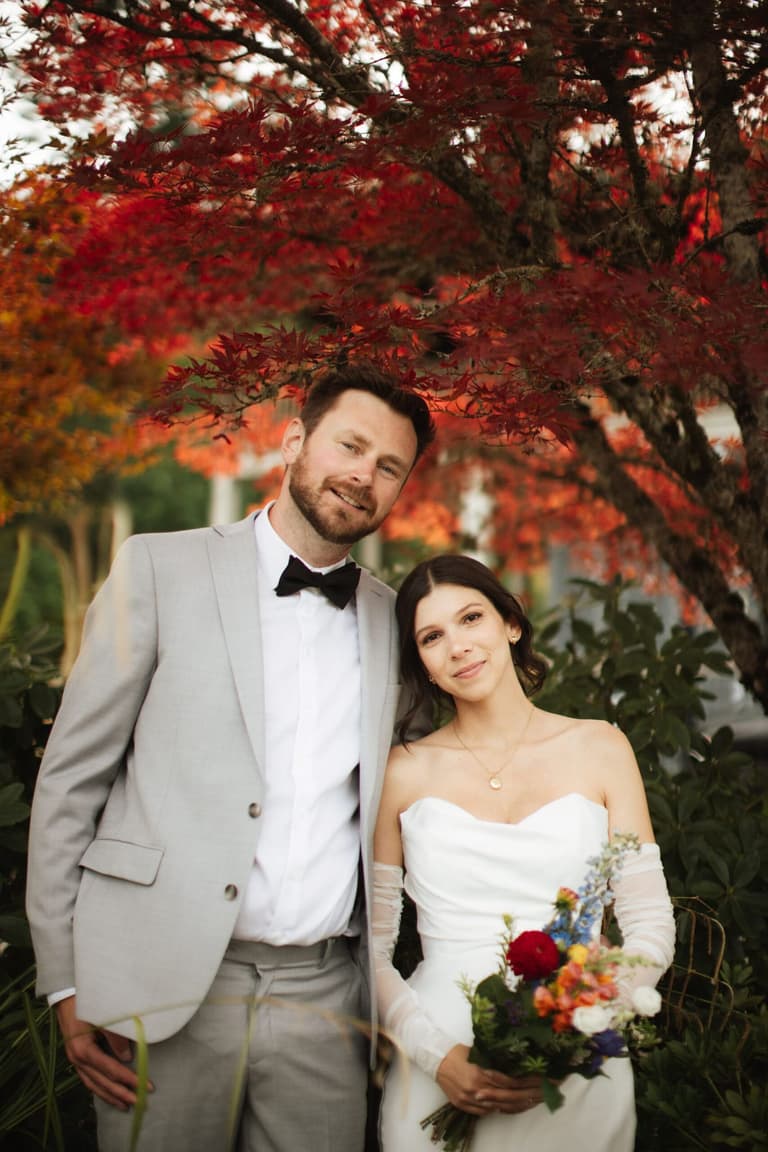
Where Poetry Meets Photography: An Interview with Stasia Garraway
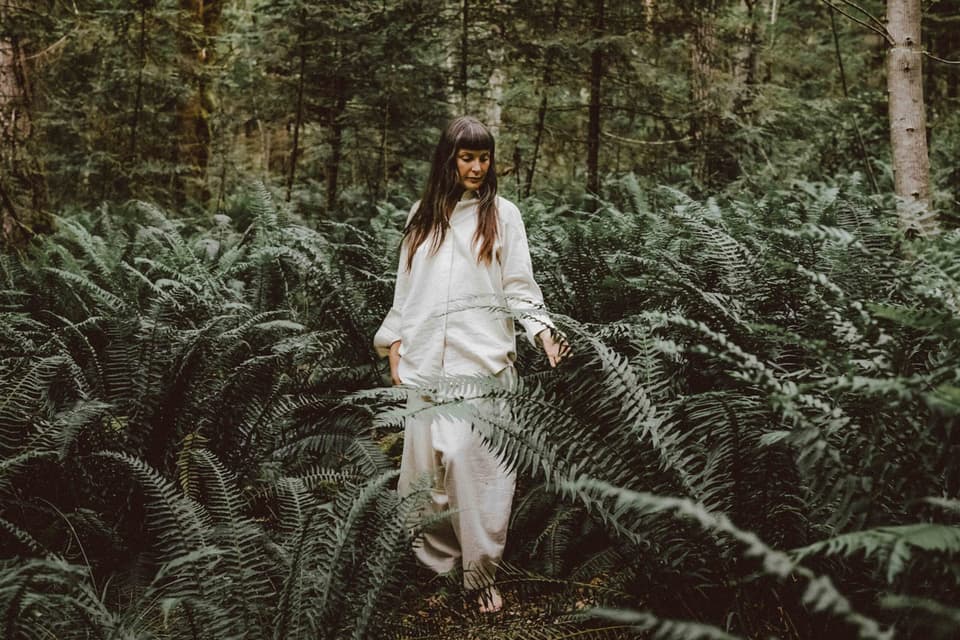
A conversation with Salt Spring Island photographer Stasia Garraway on dance, poetry, fine art, and how she helps couples feel at ease in front of the camera.
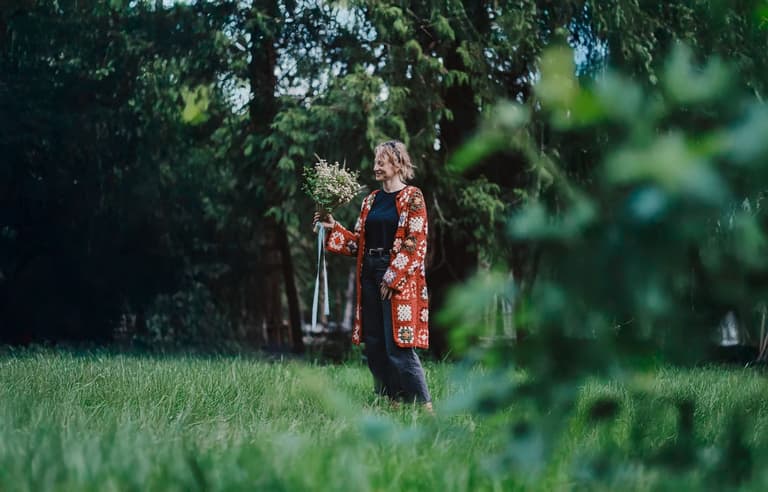
Where poetry meets photography, you will find Stasia Garraway: a Salt Spring Island wedding photographer whose earlier lives as a dancer, painter, and poet still shape every frame she makes.
Some of my very first weddings on Salt Spring Island were photographed alongside Stasia Garraway. Before Folklore Weddings had a name or a website, there was Stasia and I, cameras in hand, moving through ceremonies and receptions together, learning each other's rhythms and quietly witnessing how the other saw light, people, and place. Those early days shaped so much of how I understand collaboration and trust on a wedding day.
So when we started Folklore Wedding Company, Stasia was one of the first people I reached out to about joining our team. It felt like the most natural thing in the world to invite her into this evolving collective. Having Stasia Garraway offering her weddings through Folklore has been such a gift for our couples, for our creative community, and for me personally.
In this conversation, I sit down with Stasia to talk about how her background in dance, poetry, and fine art shows up in her work today, how she supports couples who feel nervous in front of the camera, and what she loves about weddings on Salt Spring Island and across the West Coast. Throughout, you'll hear her speak about photography as both craft and relationship, rooted in trust, breath, and a quiet reverence for the moments that become family history.
I am attuned to those big moments, but also the quiet ebbs.
Dance, Poetry, and Emily Carr University Training
Syd asked how her early dance training, her studies at Emily Carr University, and her love of poetry shape her photography today. Stasia Garraway: Thanks for such a fun question to contemplate, Syd. I think my initial dedication to dance gave me a real sense of discipline and commitment, so when I take something on, I want to develop it with the same focus I brought to dance. I learned early on that hard work can really add up to something, and that the result of grace, within the arts, often comes from hours and hours of attending to technique.
Dance also taught me how to notice potent moments, the precise second that carries an exalted quality. There are those kind of moments, but there are also all the moves leading to those expressive moments that also have a more subtle kind of specialness. I am attuned to those big moments, but I am also seeking something in the quiet ebbs that bring us to those kind of moments.
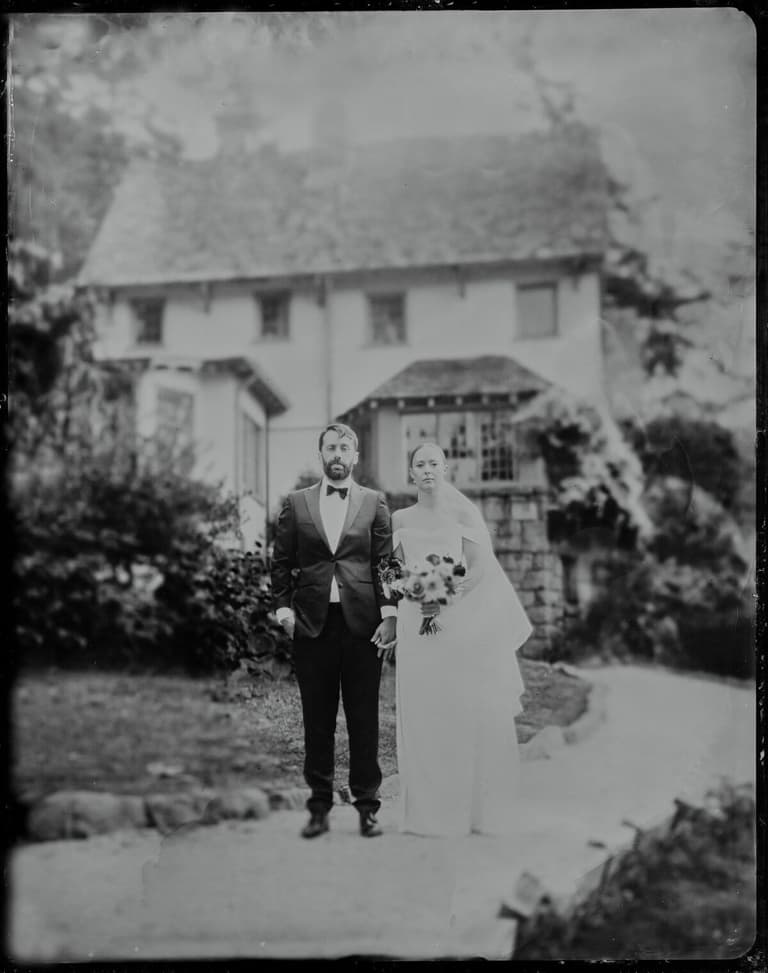
At Emily Carr, I studied drawing and painting. I spent a lot of time doing studies of the human figure, and I find that many of the qualities you look for in a life-drawing pose also apply to photography. That history of drawing tunes me into things like what someone's posture conveys and how to direct people into natural, harmonious shapes that coordinate with their environment.
Studying and writing poetry influences me as well, especially through haiku, which is about direct perception, simplicity, and a juxtaposition of two parts that create a new way of seeing. In photography, the person is one part and the landscape is the other. Together they create a special, unrepeatable moment, and I am always looking to share that relationship in a beautiful and interesting way.
What Does It Feel Like When Someone Trusts Your Camera?
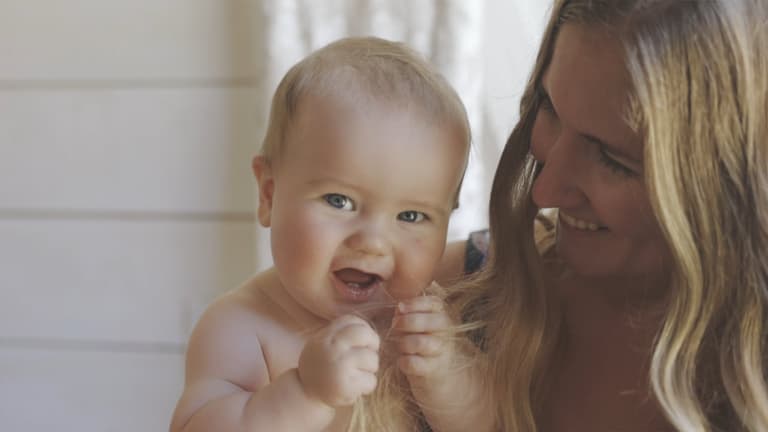
Stasia Garraway: Honestly, it is a beautiful feeling to have people happy to stand in front of the camera, and to smile at me through it. Even if they are not smiling, and they are just sharing a quiet gaze, it gives me the same kind of appreciation. There is a sense of trust and empathy in such moments, and I have learned to treat that as something really valuable.
Breath is essential for images that feel alive.
On a wedding day I actually find it quite easy to make connections through my camera because everyone is already in the flow of celebration, and there is a special energy that happens when friends and families get together. Everyone has put time and care into how they show up, and hearts are full as they gather to acknowledge and build a community around love.
That said, it is good for couples to know that I do have 17 years of building a toolkit of cues and considerations for people who are open to a little coaching. I am grateful when someone who feels some resistance allows me to guide them into a more relaxed moment. A comment I often get afterwards is that they had no idea being photographed could be fun.
Helping Couples Who Feel Awkward on Camera
Syd asked what she suggests for couples who worry they always look awkward in photos. Stasia Garraway: When helping a couple prepare for their wedding photos, there are endless approaches depending on who they are and how much time they want to invest in preparation. Some people like to create image boards, which can be helpful for all of us. I can get a sense of the kind of settings they are drawn to, and the colours that they prefer, but even more importantly I can understand the mood that they are hoping for.
Before starting to photograph people I usually introduce a couple of concepts. The first thing I usually talk about is breathing. Breath is essential for images that feel alive. When people start holding their breath the image can look static. Throughout the day I will usually check in, “Are you breathing?” and about 90 percent of the time people say no, and then we laugh, and they start breathing again.
The second thing I mention is that I may not say much at the beginning of a session. I am observing, ensuring my settings are exact, and once I see the potential shot, I give subtle cues. When people realize that they are in the hands of someone who cares deeply about how they look, but also how they are feeling in the photo, they tend to put their fears down naturally.
How Do You Balance Portraits With Candid Moments?
I merge the finesse of editorial with the authenticity of documentary.
Stasia Garraway: When it comes to structuring the wedding day I definitely want to get a feel for the couple in advance, so I know what is most important to them. I listen to their priorities and then create a pie chart for the day, so I know how to best utilize my time. The narrative of the day is very important to me, so I try to honor their hopes and visions while positioning myself to also capture beauties they may not have envisioned.
Portrait Sessions Away From the Wedding Day
Syd asked what she enjoys about the growing trend of couples booking portrait time separate from the wedding day. Stasia Garraway: Actually, it is becoming more common for couples to book those more artful or editorial images on a separate day, and there are definitely some benefits to that. It means we can take our time, we can potentially travel to a location that would be too far to visit on the wedding day, and we can time it around the best light of the day.
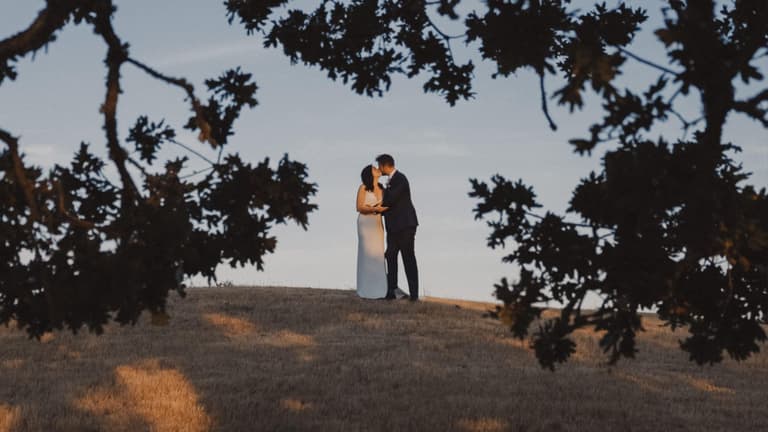
I loved that you and I had a chance to do that for a couple this past summer. They had guests traveling from Central and South America all the way to Victoria, so we met on Mount Tolmie the night before, for some truly inspiring photos. The summer wind was blowing, the golden grass was swaying, and the sun was setting behind the mountains.
Other Creative Practices That Feed Her Work
Syd asked how her other creative outlets beyond weddings feed her work as a photographer. Stasia Garraway: Being someone who has many creative outlets and disciplines means I live a life aligned with growth, meaning and spark. I am singing in a band now, and I am sure that will start to influence things in a new way too. I think the main thing is that I cultivate inspiration, and that flows over into my work as a photographer, for portraits, and for weddings.
I personally take about 8 to 10 larger weddings a year, which lets me get to know my couples well, and I have gained many friends through this work. People often tell me they chose me not only for my wedding images but for my wider body of work, and because they sense that they will enjoy having me at their wedding. You can see more of our photographers across wedding photography at Folklore.
How Did You Get Into Wedding Photography?
Stasia Garraway: When I was at Emily Carr, a friend of mine who runs a prestigious gallery asked if I had ever considered taking photography seriously, saying I had a knack for lighting, timing, and composition. Within a few months people were hiring me for author photos and album covers. My practice has been steadily growing for the last 17 years.
From Author Photos to Wedding Photography
After returning full-time to Salt Spring, Billie Woods, a superb photographer, asked if I wanted to help with weddings. I assisted her with six or seven that summer, and I realized I had a soft spot for weddings. The ceremony, the gathering of generations, the acknowledgement of commitment, the gestures of love between partners and within community, the sensory details, and the dancing, all of it. You can read more about Folklore's photographers in our interview with Kimberley Kufaas.
It has been wonderful to develop my work on an island where creativity is esteemed and cultivated. Being part of the Folklore community reflects those values and matters deeply to me, particularly because it was founded by you, Syd. When you and your beloved, Taryn, started Folklore, I was honored to be included because I trusted your vision. You can read more about the Folklore collective and how we work together.
Salt Spring Island as a Place to Marry
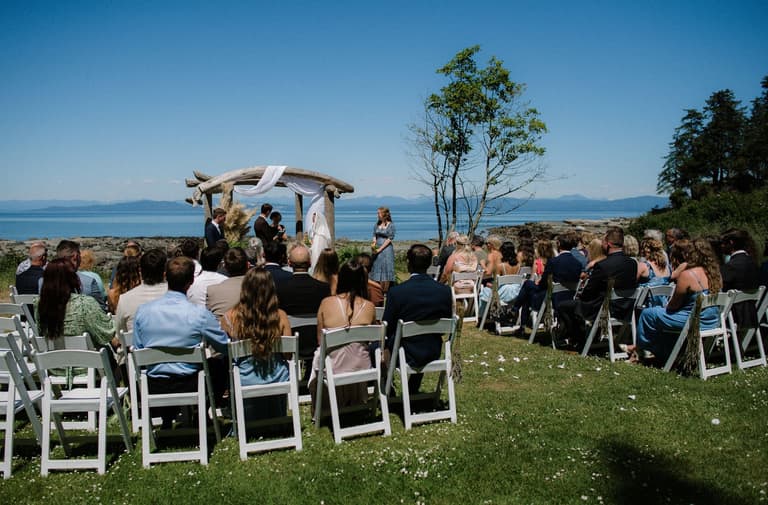
Syd asked her to speak about Salt Spring Island as a place to live and marry, and about the wider community of wedding vendors along the coast. Stasia Garraway: If I were to wax poetic about life and weddings on Salt Spring Island, I would say that the community is what keeps me dedicated to building a beautiful life here. The hands on, artisan, sustainable approach that infuses our crafts, markets, arts, and farmstands translates directly into the wedding vendors and venues, the same community we highlight in our Salt Spring Island wedding florists guide.
What I hear most from couples is how special it feels to share Salt Spring with family and friends. Guests often stay for the weekend, exploring the Saturday Market, visiting vineyards and cideries, and stopping into artist studios. It feels like a place that is easy to step away from distractions.
Documentary vs Editorial: What's the Difference?
Stasia Garraway: When people discuss wedding photography, they often mention documentary versus editorial approaches, a distinction we explore further in our editorial vs documentary wedding photography guide. I consider documentary photography the art of not getting in the way. In documentary mode, I try to be a gentle, almost invisible observer, capturing moments like a child blowing bubbles, a grandfather holding his wife's hand, or sisters quietly talking.
Editorial work usually involves more direction. Editorial images are often planned in advance, but during a wedding day my approach is more intuitive. I stay attentive to the light and the environment around me. When I shift into editorial mode, I am thinking about paintings and cinema. I am looking for mood and finesse.
Weaving Documentary and Editorial Together
Ultimately, documentary and editorial approaches weave together throughout the day, overlapping constantly. One of my goals in a good image is to merge the finesse of editorial with the authenticity of documentary.
Closing Thoughts: The Quiet Strength of Stasia Garraway
Spending time in conversation with Stasia Garraway makes it clear how much quiet thoughtfulness sits behind each image she creates. Her work is shaped by years of dance, drawing, poetry, and music, but on a wedding day, all of that distills into something simple: presence, care, and an attunement to the fleeting moments that become a couple's shared mythology.
For couples drawn to poetic, grounded, and artful storytelling, where documentary honesty meets editorial finesse, Stasia Garraway offers not just photographs, but a calming, creative presence to lean into. You can see her full profile and portfolio or get in touch to ask about her availability.
Who is Stasia Garraway? +
Stasia Garraway is a Salt Spring Island wedding photographer and one of the founding photographers of Folklore Wedding Company, with a background in dance, poetry, and fine art from Emily Carr University.
How does Stasia Garraway help couples who feel awkward on camera? +
She starts by talking about breath, checking in throughout the day to make sure people are not holding it, and uses subtle cues built from 17 years of experience to help couples relax.
Does Stasia Garraway shoot documentary or editorial wedding photography? +
Both. She blends documentary's unobtrusive, candid observation with editorial's more directed, cinematic mood, merging the two throughout a wedding day rather than choosing one style.